
Noida has grown into one of the most dynamic urban centres in North India, home to a large IT and corporate workforce, a rapidly expanding residential population, and an increasingly health-conscious demographic that understands the value of professional medical care. Yet skin care remains one of the most commonly self-managed health concerns in the city — people cycling through products bought on recommendation, home remedies passed through families, and online advice that may have no relevance to their specific skin type or condition.
The gap between what Noida residents deserve and what they are actually accessing in skin care is significant. This guide exists to close that gap. Whether you are dealing with a specific concern like acne, pigmentation, or hair loss, or simply want to understand what a qualified dermatologist in Noida can do for your skin that years of product-switching cannot, this is the complete resource you need.
Why Noida Residents Have Specific Skin Health Challenges
Before understanding what a dermatologist can do for you, it helps to understand why professional skin care is particularly relevant in Noida's specific environment and demographic context.
Pollution and Urban Skin Stress
Noida's air quality regularly ranks among the most concerning in the National Capital Region, with particulate matter, traffic pollutants, and industrial emissions creating a chronic low-grade oxidative stress on the skin. This pollution load contributes to accelerated skin ageing, uneven skin tone, worsening of acne, and increased sensitivity that products alone cannot counteract. A trusted skin doctor understands how environmental factors compound underlying skin conditions and designs treatment programmes that address both.
Hard Water and Its Dermatological Impact
The water supply in many parts of Noida has high mineral content — calcium, magnesium, and heavy metals — that strips the skin's natural lipid barrier with repeated exposure. The resulting barrier dysfunction drives dry skin, eczema flares, scalp build-up, hair brittleness, and increased susceptibility to irritant contact dermatitis. These are clinical presentations that require barrier restoration therapy, not simply moisturiser application.
The IT Professional Demographic
Noida's large population of IT and corporate professionals spend extended hours under air-conditioned, low-humidity office environments staring at screens. The combination of screen exposure, reduced blink rate, and controlled air environments accelerates evaporative skin moisture loss, drives digital-exposure-related skin changes, and creates conditions where stress-related skin disorders including acne, psoriasis, rosacea, and alopecia areata are both more prevalent and more likely to flare during work-intensive periods.
High Prevalence of Pigmentation Concerns
Indian skin, with its higher baseline melanin content, is particularly susceptible to post-inflammatory hyperpigmentation — the darkening of skin at sites of previous acne, injury, or inflammation. Combined with high UV exposure and the hormonal influences on melanin production, pigmentation disorders including melasma are among the most common presentations at any skin clinic in noida. These conditions require specialist assessment rather than over-the-counter interventions that frequently worsen rather than improve the picture.
What a Dermatologist Actually Does: Beyond the Prescription Pad
Many patients arrive at their first dermatology appointment expecting a quick consultation and a prescription. What a truly comprehensive dermatologist in Noida delivers is considerably more than that, and understanding the full scope of dermatological care helps patients make better use of their consultation time.
Accurate Diagnosis
The most fundamental value a dermatologist brings is diagnostic precision. Conditions that look similar on the surface — acne and rosacea, seborrheic dermatitis and psoriasis, contact dermatitis and atopic eczema — have different underlying mechanisms and require different treatments. Treating the wrong condition with the wrong agent at best wastes time and at worst worsens the underlying problem. A qualified skin specialist in Noida uses clinical examination, dermoscopy, and where needed skin biopsy or patch testing to establish an accurate diagnosis before any treatment is prescribed.
Personalised Treatment Planning
Two patients with apparently similar acne may have completely different underlying drivers — hormonal dysregulation in one, barrier dysfunction from over-cleansing in another, comedonal acne from a specific skincare product in a third. A personalised treatment plan identifies and addresses the specific driver in each patient rather than prescribing a standard protocol that may help some and worsen others. This personalisation is what separates a dermatological consultation from a pharmacy recommendation.
Access to Prescription Therapies
Many of the most effective treatments for common skin conditions — prescription-strength retinoids, antibiotics for inflammatory acne, immunomodulators for eczema, antifungals for scalp conditions, biologics for severe psoriasis — are prescription-only medications that are not available over the counter and should not be used without medical supervision. The skin doctor in Noida who prescribes these agents also monitors for side effects, adjusts doses, and manages the treatment course in a way that over-the-counter access cannot provide.
In-Clinic Procedures
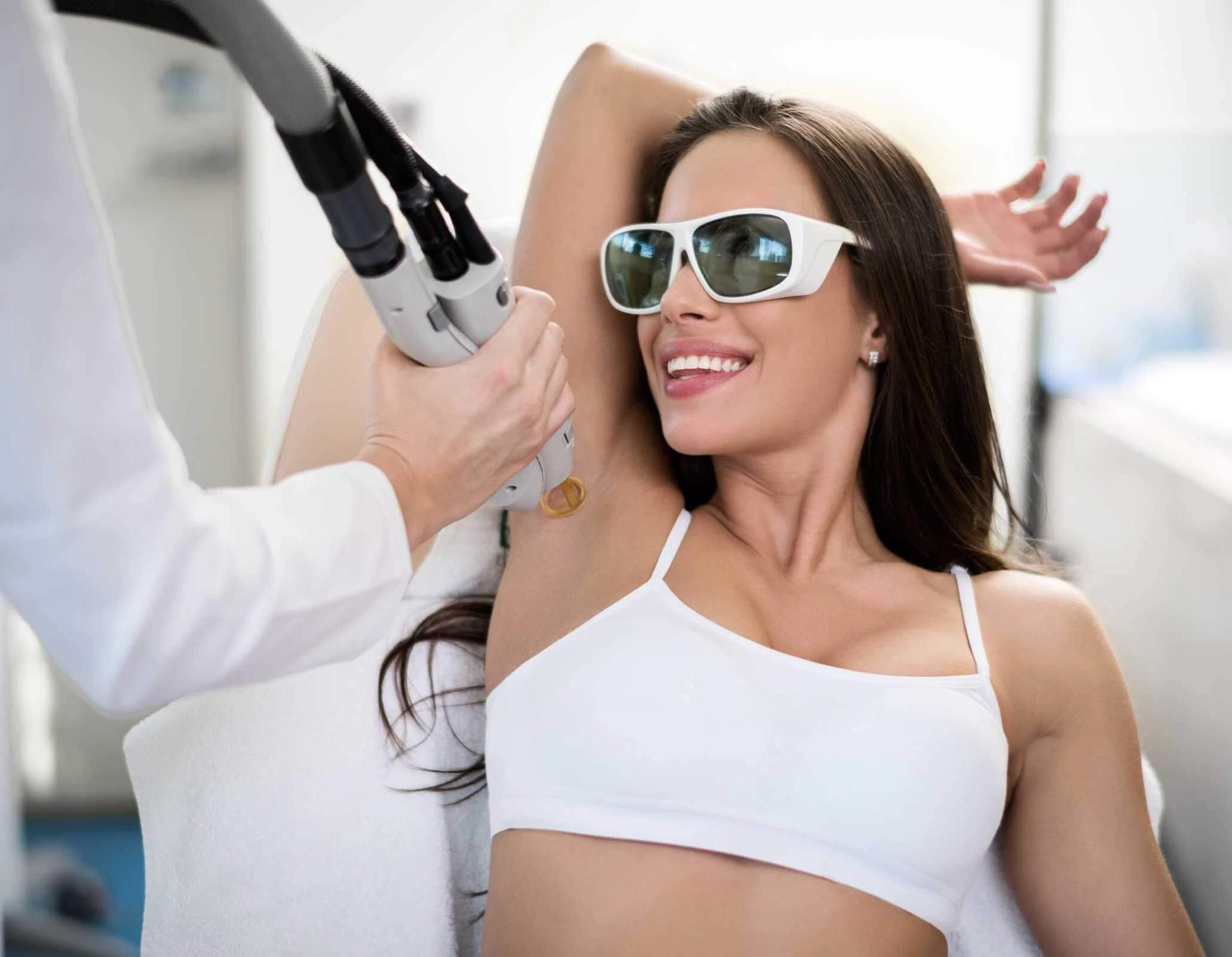
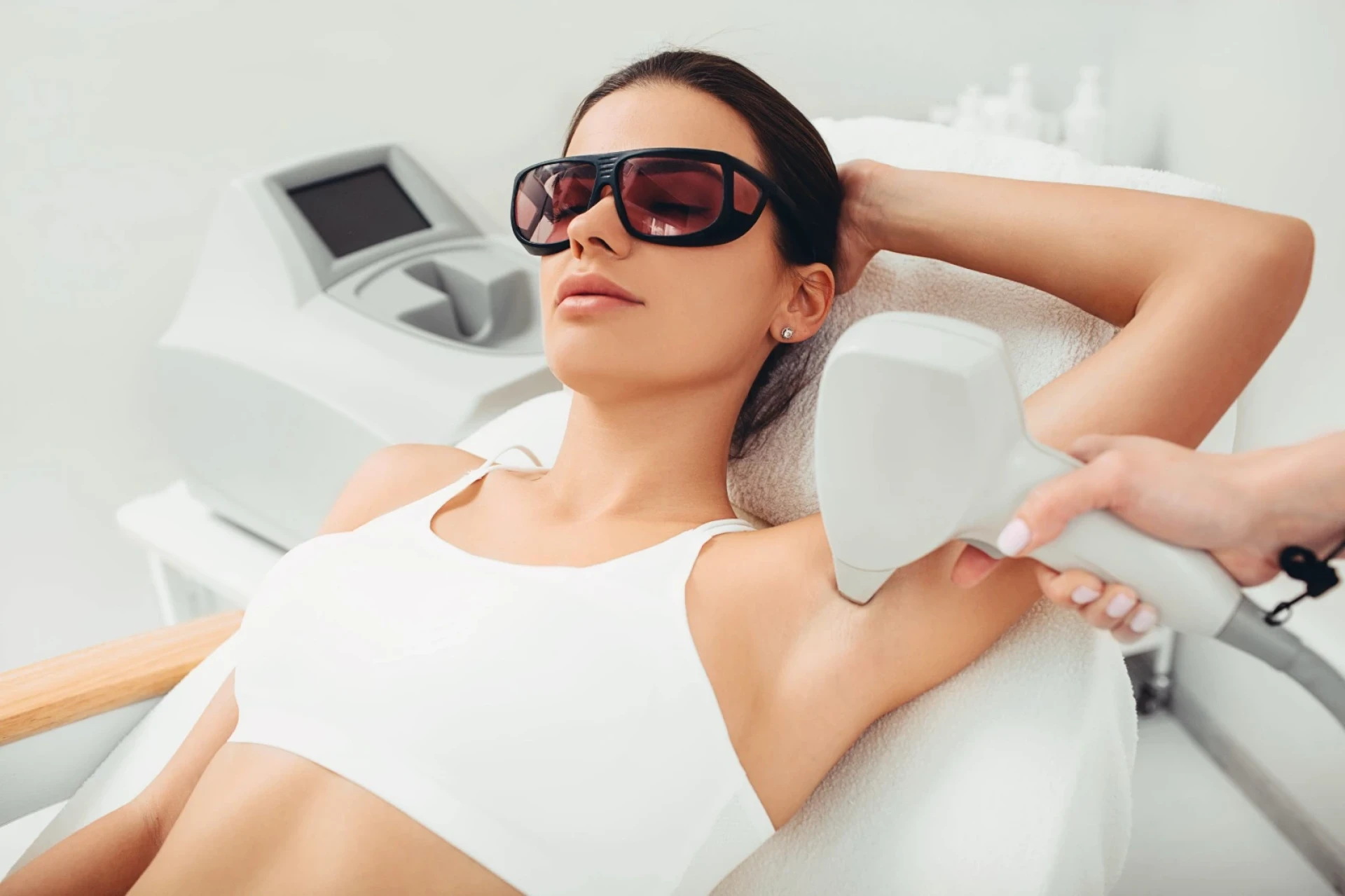
Beyond topical and systemic medical therapy, modern dermatology offers a wide range of in-clinic procedures for conditions that medical management alone cannot fully address. Chemical peels for pigmentation and acne scars, laser therapy for hair removal and skin resurfacing, platelet-rich plasma (PRP) for hair loss, mesotherapy for skin hydration, cryotherapy for warts and lesions, and botulinum toxin for dynamic wrinkles are all within the scope of a well-equipped cosmetic dermatologist practice in Noida.
Common Conditions Treated by Dermatologists in Noida
Acne and Post-Acne Pigmentation
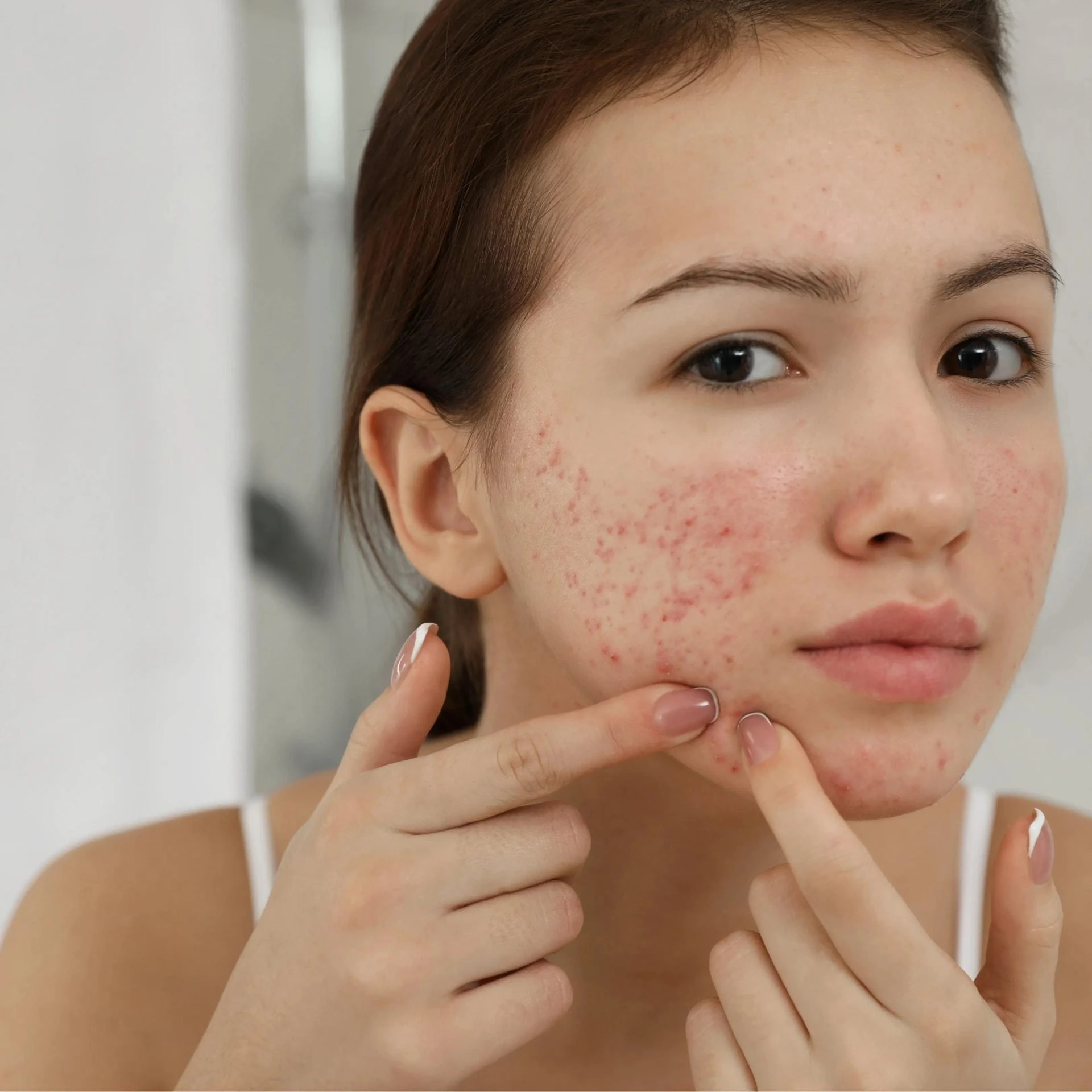
Acne is the most common skin condition in Noida's working-age population, and it is also one of the most frequently undertreated. Patients cycle through topical products for years without addressing the hormonal, dietary, or structural factors driving the breakouts. A qualified dermatologist assesses the acne subtype, identifies the primary driver, and designs a combined topical and systemic treatment programme that clears active disease while simultaneously addressing the post-inflammatory hyperpigmentation that acne leaves behind in Indian skin. This dual approach — active acne treatment and pigmentation management — is what produces the comprehensive skin transformation patients are looking for.
Melasma and Pigmentation Disorders
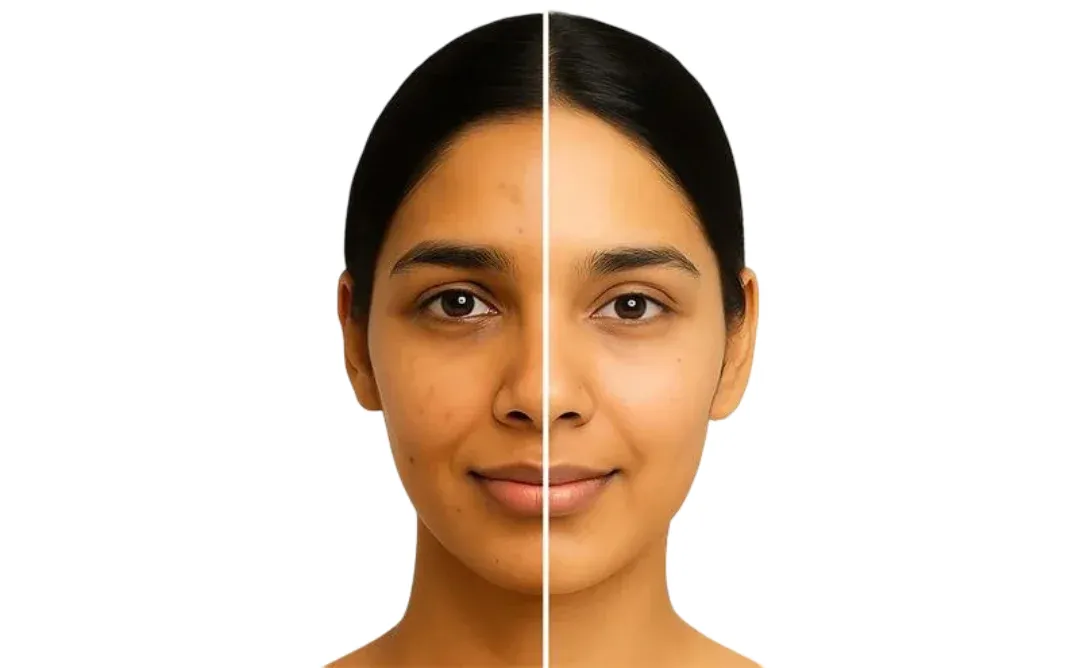
Melasma — the symmetrical facial pigmentation driven by sun exposure and hormonal influence — is one of the most challenging conditions to treat and one of the most commonly mismanaged. Over-the-counter fairness creams containing unregulated concentrations of hydroquinone or mercury are widely used in India and frequently cause ochronosis (permanent paradoxical darkening) with prolonged use. A specialist from a trusted skin clinic in noida treats melasma with evidence-based combinations of photoprotection, regulated topical depigmenting agents, and appropriately selected procedures, monitoring treatment response and adjusting the programme to prevent relapse.
Eczema and Psoriasis
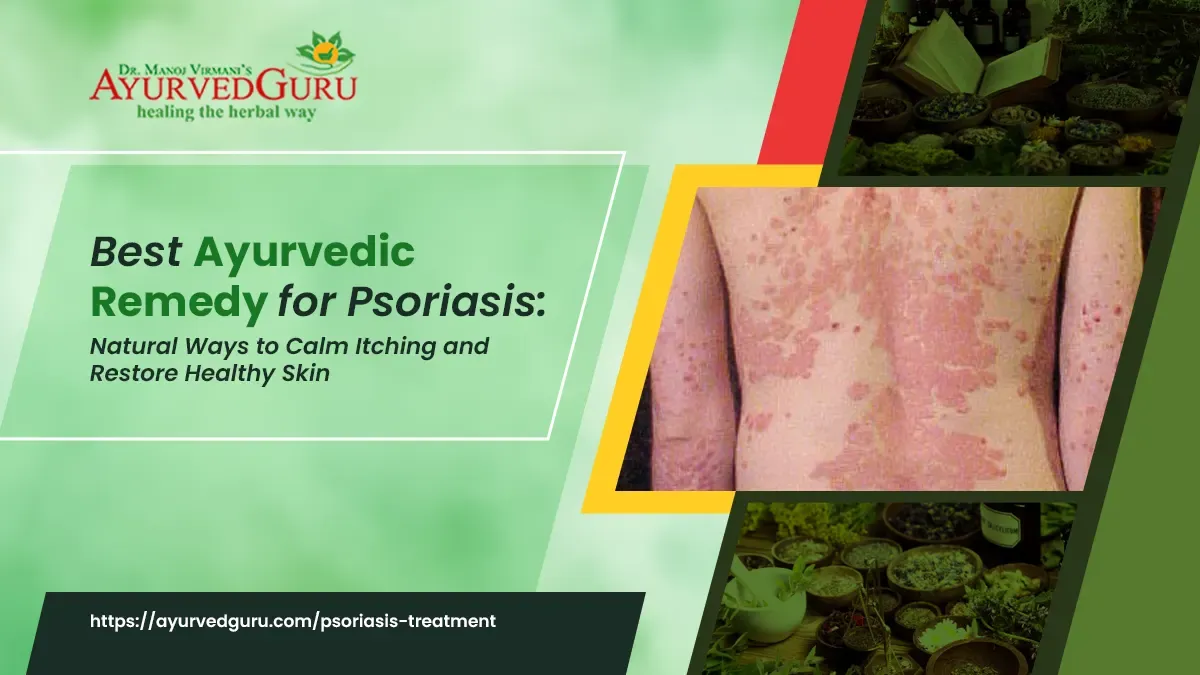
Atopic dermatitis (eczema) and psoriasis are chronic inflammatory conditions that significantly impact quality of life and require ongoing specialist management rather than episodic treatment of flares. Modern management of both conditions has been transformed by biologic therapies for moderate-to-severe cases that do not respond to conventional treatments. An experienced dermatologist is familiar with the full therapeutic ladder for these conditions and knows when to escalate from topical therapy to phototherapy to systemic agents, minimising unnecessary disease burden for patients who have previously been undertreated.
Hair Loss
Hair loss is among the most emotionally distressing dermatological presentations and one of the most diagnostically complex. Androgenetic alopecia, telogen effluvium, alopecia areata, traction alopecia, and scarring alopecias each have different causes, different prognoses, and different treatment approaches. Accurate diagnosis requires not only clinical examination and trichoscopy but often blood testing for nutritional deficiencies, thyroid function, and hormonal panels. A skin and hair specialist with specific trichology expertise provides the differential diagnosis and targeted treatment that a generalist approach to hair loss cannot.
Skin Infections
Fungal infections including tinea corporis, tinea versicolor, and onychomycosis are extremely prevalent in Noida's warm, humid climate. Viral conditions including warts, molluscum, and recurrent herpes simplex require specific antiviral and destructive treatments. Bacterial infections from folliculitis to cellulitis need appropriate antimicrobial therapy. All of these conditions require accurate identification of the causative organism and appropriate therapy — misidentified and mismanaged skin infections are common when patients treat themselves or seek advice from non-specialist sources.
Skin Cancer Screening
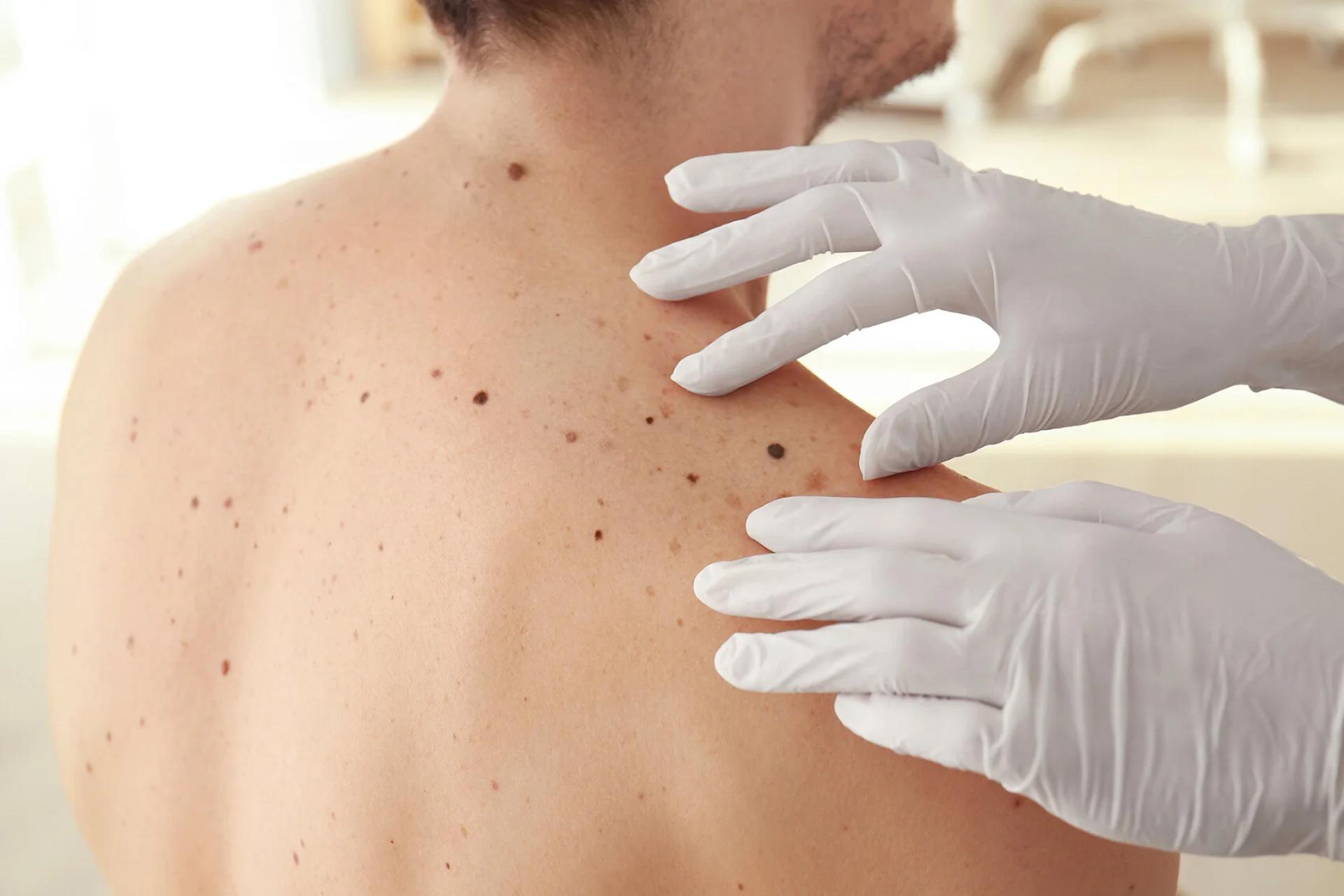
While skin cancer rates in India are lower than in fairer-skinned Western populations, they are not negligible, and awareness of mole changes, unusual pigmented lesions, and persistent non-healing ulcers is important. A dermatologist performs full-body skin examination with dermoscopy to identify suspicious lesions that warrant biopsy, providing the early detection that significantly improves outcomes for melanoma and non-melanoma skin cancers.
How to Find the Right Dermatologist in Noida
Noida has a large number of practitioners offering dermatological services, ranging from specialist medical dermatologists at large hospitals to independent practitioners at skin care clinic in noida practices to beauticians and aesthetic centres offering cosmetic procedures without adequate medical oversight. Knowing how to distinguish between these providers is the most important practical step in accessing quality skin care.
Verify Qualifications
A qualified dermatologist in India holds an MBBS degree followed by a postgraduate qualification in dermatology — either an MD (Dermatology) or a DNB (Dermatology). Some practitioners also hold a DVD (Diploma in Venereology and Dermatology). These qualifications are what establish the competence to diagnose skin conditions accurately and prescribe treatments appropriately. A dermatologist near Noida who lists only an MBBS without postgraduate specialisation in dermatology, or who does not clearly display their qualifications, should be investigated further before a booking is made.
Look for a Structured Consultation Process
A quality dermatology appointment begins with a thorough history — the duration and character of the condition, previous treatments tried, relevant medical history, medications, allergies, and lifestyle factors including diet, stress, and skincare routine. This history is followed by a clinical examination and, where appropriate, dermoscopy, patch testing, or laboratory investigations. A practitioner who moves directly from brief history to prescription without this systematic assessment is not providing complete dermatological care.
Assess the Clinic's Diagnostic and Treatment Capability
A well-equipped dermatology practice has dermoscopy, Wood's lamp examination for pigmentation assessment, in-clinic capability for procedures including cryotherapy, chemical peels, and minor surgical excisions, and access to or referral pathways for laser therapy, trichoscopy, and skin biopsy. Ask what diagnostic tools the clinic uses and what procedures are performed on-site. The availability of these tools directly affects the completeness of the assessment and the range of treatments accessible to you.
Consider Subspecialty Expertise
Some skin conditions benefit from subspecialty expertise beyond general dermatology. Significant hair loss warrants a trichologist or dermatologist with specific hair and scalp training. Complex pigmentation disorders in Indian skin benefit from a practitioner with specific experience in photodermatology and pigmentation management. Severe psoriasis or atopic dermatitis may benefit from a dermatologist with biologic therapy prescribing experience. A general dermatologist who recognises the limits of their expertise and refers appropriately is more valuable than one who treats everything regardless of complexity.
Ask before you book: What are the dermatologist's postgraduate qualifications? What does the first appointment include — history, examination, dermoscopy? What procedures are performed in-clinic and which require referral? What is the follow-up protocol after a diagnosis is made? A quality skin clinic near Noida will answer all of these questions clearly and willingly before you commit to a consultation.
What to Expect at Your First Dermatology Appointment
Many patients are uncertain about what happens during a dermatology consultation and arrive underprepared, which reduces the clinical value of the appointment. Here is how to get the most out of your first visit to a dermatologist in Noida.
Prepare Your History
Write down before the appointment: when the skin concern first appeared, how it has changed since, what treatments you have tried (including all topical products, not just prescription medications), what makes it better or worse, any other medical conditions you have, all medications including supplements, any family history of the same condition, and your current skincare routine in full. This history is more diagnostically useful than any test and provides the framework within which the physical examination makes sense.
Arrive Without Makeup or Heavy Products
For any skin or scalp condition, arrive at the appointment with clean skin — no foundation, concealer, heavy moisturiser, or styling products on the scalp. These products obscure the clinical appearance of the skin that the dermatologist needs to see. The pattern of redness, the distribution of lesions, the surface texture, and the pigmentation changes that guide diagnosis are all affected or concealed by cosmetic products.
Bring Your Current Products
Photograph or list every product in your current skincare routine — cleanser, toner, moisturiser, sunscreen, serums, treatment products — including brand names and ingredients where possible. Contact dermatitis and cosmetic acne (acne cosmetica) caused by specific skincare ingredients are extremely common diagnoses that require knowing exactly what is being applied to the skin. A dermatologist who does not ask about your skincare routine is missing a critical piece of diagnostic information.
Set Realistic Expectations
Most dermatological conditions require a course of treatment rather than a single appointment solution. Acne treatment typically shows meaningful improvement at 6 to 8 weeks and full response at 3 to 4 months. Melasma management is a long-term programme rather than a single procedure. Hair loss investigations may require blood tests whose results are not available at the first appointment. Understanding this timeline prevents the premature abandonment of effective treatment because immediate dramatic results did not materialise.
Cosmetic vs Medical Dermatology: Understanding the Distinction
Noida has a growing number of aesthetic and cosmetic skin care centres that offer procedures including laser hair removal, chemical peels, fillers, and botulinum toxin alongside medical dermatology services. Understanding the distinction between cosmetic and medical dermatology helps patients choose the right type of provider for their specific concern.
Medical dermatology addresses disease — the diagnosis and treatment of skin conditions including acne, eczema, psoriasis, infections, hair disorders, and skin cancer. Cosmetic dermatology addresses appearance concerns that do not constitute medical disease — wrinkles, volume loss, uneven skin tone, and aesthetic hair concerns — using procedures that improve the appearance of skin that is otherwise healthy.
The most important practical implication of this distinction is that cosmetic procedures should only be performed on a foundation of medical dermatological health. Laser treatment on active, poorly controlled acne can worsen the acne. Chemical peels on undiagnosed contact dermatitis can cause severe reactions. Filler placement without a thorough understanding of facial anatomy and vascular risk can cause vascular occlusion with permanent consequences. A qualified dermatologist in Noida who offers cosmetic procedures does so within a medical framework — assessing the patient's skin health before performing any elective aesthetic procedure.
FAQs: Finding a Dermatologist in Noida
Q1: How do I know if my skin concern needs a dermatologist or if I can manage it myself?
The general rule is that any skin concern that has persisted for more than 4 to 6 weeks despite appropriate home care, any condition that is significantly affecting your quality of life, any rash accompanied by systemic symptoms such as fever, any rapidly changing mole or lesion, and any suspected skin infection that is spreading warrants a dermatology assessment. The common mistake is trying to manage conditions with over-the-counter products for months or years before consulting a specialist — by which point secondary changes, post-inflammatory pigmentation, and treatment-related complications have frequently made the original condition harder to resolve than it would have been at initial presentation. Consulting a qualified dermatologist in Noida early is almost always more efficient and less expensive in the long run than extended self-treatment.
Q2: What is the difference between a dermatologist and a skin specialist or beauty therapist offering skin treatments?
A dermatologist is a qualified medical doctor who has completed MBBS followed by postgraduate specialisation (MD or DNB) in dermatology and has the competence to diagnose skin diseases, prescribe medications, and perform medical and surgical procedures. A skin specialist in Noida who holds these qualifications is a medical dermatologist. A beauty therapist, aesthetician, or cosmetician has non-medical training in cosmetic procedures and cannot diagnose skin conditions or prescribe treatment. The distinction matters enormously when your concern is medical — acne, eczema, hair loss, skin infections — rather than purely cosmetic. For medical skin concerns, only a qualified medical dermatologist provides the diagnostic and therapeutic competence the situation requires.
Q3: I have been using a fairness cream with hydroquinone for two years. Is this safe?
Prolonged use of high-concentration hydroquinone — particularly unregulated concentrations found in many over-the-counter fairness products in India — carries a significant risk of ochronosis, a paradoxical permanent darkening of the skin that is extremely difficult to treat. Two years of use is well within the risk window for this complication, and you should consult a skin doctor in Noida to have your skin assessed for early ochronosis changes before continuing. Effective and safe pigmentation management does not require unsafe hydroquinone concentrations — evidence-based alternatives including regulated azelaic acid, niacinamide, kojic acid, and arbutin formulations are available through medical dermatology channels and produce meaningful improvement without the risks associated with unregulated products.
Q4: Can I see a dermatologist for hair loss, or do I need a separate trichologist?
Hair and scalp conditions fall squarely within the scope of dermatology — hair follicles are skin appendages and their disorders are dermatological diseases. A dermatologist with specific training in trichology and hair disorders is the appropriate specialist for all forms of hair loss including androgenetic alopecia, alopecia areata, telogen effluvium, and scarring alopecias. If a general dermatologist does not have specific hair loss expertise, they will typically refer to a colleague with trichology subspecialty training. When booking a dermatologist near Noida for a hair concern, ask specifically whether the clinic has trichoscopy equipment and experience managing the type of hair loss you are experiencing.
Q5: What should I look for in a skin clinic in Noida to ensure I am getting quality care?
A quality
Conclusion: Your Skin Deserves Medical-Grade Attention
The skin is the body's largest organ, its first line of defence against environmental damage, and one of the most visible markers of health and wellbeing. It deserves the same level of medical attention that people readily give to other organ systems when something goes wrong. Yet skin care remains one of the most commonly self-managed health domains, with significant consequences for the skin health of people who delay appropriate care or seek it from non-specialist sources.
Noida has the specialist infrastructure, the qualified practitioners, and the clinical facilities to support genuinely excellent skin care for its residents. What it requires from patients is the decision to seek that care rather than continuing to manage skin concerns with products that cannot address their underlying cause.
If you have a skin or hair concern that has been present for more than a few weeks, or if you simply want to understand your skin's specific needs from a qualified clinician who will tell you the truth rather than sell you products, booking an appointment with a qualified dermatologist in Noida is the most productive step you can take today.
Source: Dermatologist in Noida: Your Complete Guide to Finding Expert Skin Care in the City






















Sign in to leave a comment.