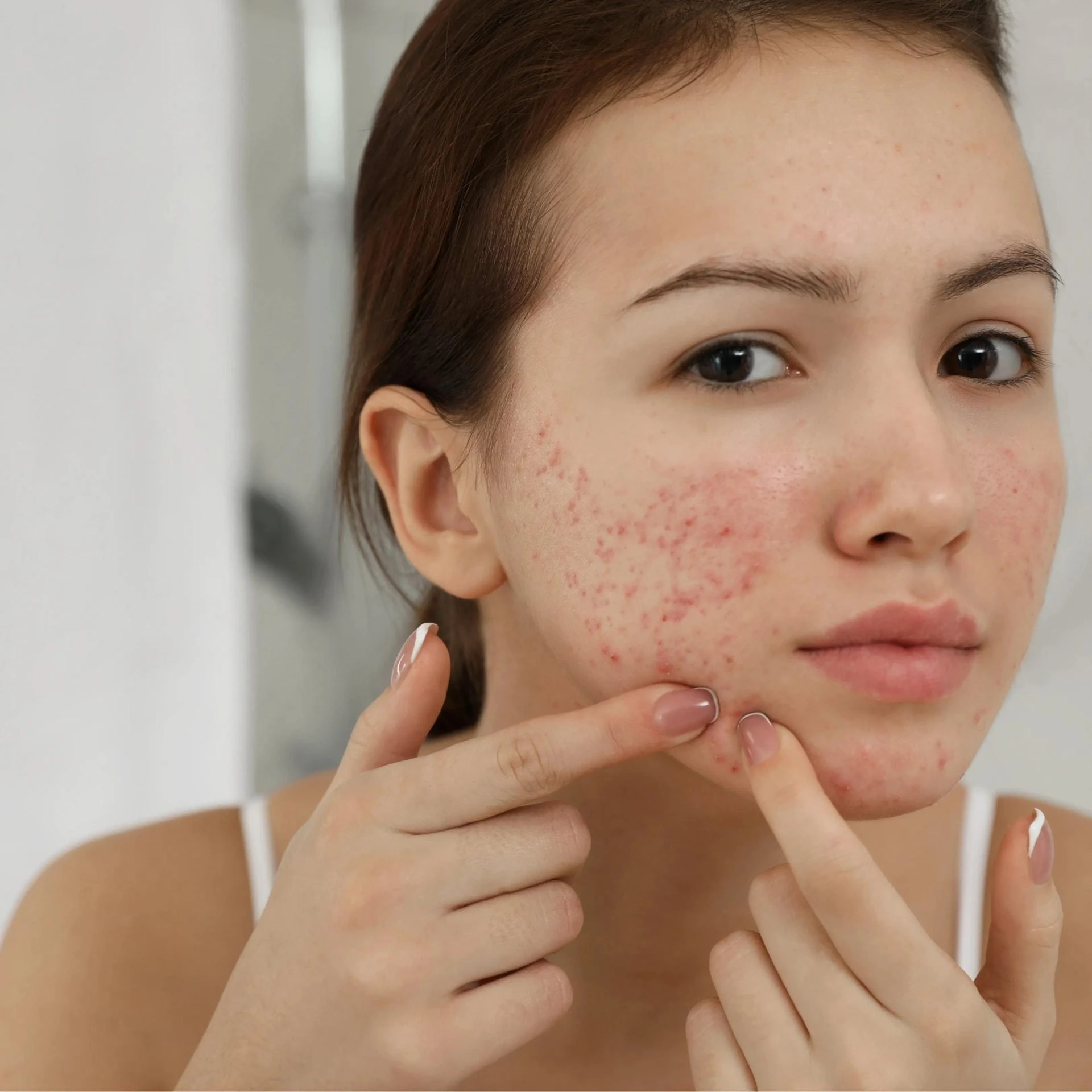

Most people with acne have tried the same things. A cleanser that dries the skin. A spot gel that reduces one pimple while three more appear. An antibiotic that works for three months and then stops. A succession of over-the-counter products that produce temporary improvement and then a frustrating return to breakouts. After years of this cycle, many people conclude that their acne simply cannot be controlled.
That conclusion is almost always wrong. The reason these approaches fail is not that acne is uncontrollable. It is that they address the visible end product of the acne cycle rather than the biological processes generating it. Understanding the acne cycle from the inside out is the first step toward understanding why targeted, medically guided acne treatment in Noida produces results that no pharmacy shelf product ever will.
What Is Acne, Really?
Acne vulgaris is a chronic inflammatory disease of the pilosebaceous unit, the collective term for the hair follicle, the sebaceous (oil) gland attached to it, and the pore through which both the hair and the sebum reach the skin surface. It is not a surface problem. It begins deep within the skin and the visible pimple is merely the final, most obvious manifestation of a process that started weeks earlier beneath the surface.
Acne predominantly affects areas where sebaceous glands are most dense and most active: the face, neck, chest, upper back, and shoulders. It affects people across a very wide age range, from adolescence through adulthood, and in India, adult acne affecting women in their 20s and 30s has become increasingly prevalent due to a combination of hormonal, dietary, stress, and environmental factors.
The Acne Cycle: Four Interlocking Drivers
Acne is not caused by one thing. It is generated by the interaction of four interlocking biological factors that reinforce each other in a cycle. Addressing only one factor explains why so many treatments produce partial, temporary results. Effective acne treatment in Noida must interrupt the cycle at multiple points simultaneously to break it durably.
Driver 01 Excess Sebum Production
Sebaceous glands produce sebum, a complex mixture of lipids whose primary purpose is to moisturise and protect the skin surface. The activity of these glands is regulated primarily by androgens, male sex hormones present in both men and women. During puberty, androgen levels rise sharply, sebaceous glands enlarge, and sebum production increases dramatically. In adults, the same process is driven by hormonal fluctuations from polycystic ovarian syndrome (PCOS), stress-related cortisol elevation, insulin resistance, and other endocrine influences.
Excess sebum floods the follicular canal. On its own, this would not necessarily cause acne. But excess sebum combined with the next driver is where the cycle begins.
Driver 02 Abnormal Follicular Keratinisation
The lining of the follicular canal normally sheds dead cells in an orderly, gradual process. In acne-prone skin, this shedding process becomes abnormal. Dead cells accumulate faster than they are shed and, combined with excess sebum, form a dense, sticky plug called a microcomedone deep within the follicle. This is the silent beginning of every acne lesion, forming weeks before anything appears on the skin surface.
The microcomedone is the universal precursor to all acne lesion types. Depending on whether the follicular opening remains partially open or is completely sealed, the microcomedone develops into either a blackhead (open comedone) or a whitehead (closed comedone). Both are non-inflammatory lesions at this stage, but without treatment they are primed to progress.
Driver 03 Cutibacterium acnes (C. acnes) Proliferation
Cutibacterium acnes (formerly Propionibacterium acnes) is a bacterium that naturally inhabits the sebaceous follicle on healthy skin. Under normal conditions, it causes no problems. But the blocked, sebum-filled comedone creates ideal anaerobic (oxygen-free) conditions for C. acnes to multiply rapidly. As the bacterial population within the blocked follicle explodes, several processes are triggered that drive the inflammatory stage of acne.
C. acnes produces enzymes and metabolic byproducts that degrade the follicular wall and activate the innate immune system. The body's inflammatory response, intended to combat the bacterial invasion, causes the redness, swelling, pain, and pus formation that characterise inflammatory acne lesions: papules, pustules, nodules, and cysts.
Driver 04 Inflammation
The inflammatory response to C. acnes proliferation produces the painful, visible lesions that patients identify as their acne problem. But inflammation in acne does more than just create pimples. It drives post-inflammatory hyperpigmentation (PIH), the dark marks that persist for months after a pimple resolves. In more severe cases, the inflammatory process triggers dermal collagen damage that results in depressed atrophic acne scars, the pitted marks that represent permanent skin architecture changes.
This is why the dermatological maxim that the best treatment for acne scarring is preventing scarring from forming in the first place is so important. Every episode of significant follicular inflammation carries a risk of permanent scarring. Delaying treatment is not a neutral choice: it is a decision that allows more inflammation, more PIH, and more scarring to accumulate.
Do not wait for acne to "settle on its own." Moderate to severe acne that is left untreated does not simply resolve. Each inflammatory lesion carries a risk of post-inflammatory pigmentation and scarring. The longer treatment is delayed, the greater the cumulative skin damage. Early consultation at a skin clinic in noida is consistently associated with better long-term skin outcomes.
Why Most Over-the-Counter Treatments Fail to Break the Cycle
Walk into any pharmacy and the acne section offers dozens of products: salicylic acid cleansers, benzoyl peroxide gels, tea tree oil preparations, sulphur masks, and multi-step kits promising clear skin in weeks. Some of these ingredients are genuinely active and do have effects on one or more drivers of the acne cycle. The problem is not that they are entirely ineffective. The problem is that they address the cycle incompletely.
Salicylic acid helps with follicular keratinisation and mild comedone formation. Benzoyl peroxide reduces C. acnes. But neither addresses excess sebum production, and neither provides the anti-inflammatory potency needed for moderate inflammatory acne. Applying a spot treatment to an active pimple addresses the final visible lesion but does nothing for the microcomedones developing beneath the surface that will produce the next crop of breakouts in 3 to 4 weeks. The cycle continues.
Patients who achieve temporary improvement with OTC products and then experience a return of breakouts have not failed. Their products have failed to address the full cycle. This is why a consultation with a dermatologist at a trusted skin clinic in noida fundamentally changes outcomes for moderate to severe acne. Prescription-grade treatment options address multiple drivers of the acne cycle simultaneously with concentrations and mechanisms that OTC products cannot match.
What Triggers Keep the Acne Cycle Running?
For many patients, the acne cycle is perpetuated not just by skin biology but by identifiable external triggers that elevate one or more of the four drivers. A thorough acne therapy programme identifies and addresses these triggers alongside the skin treatment itself.
Hormonal Fluctuations
Androgens are the most powerful internal driver of sebaceous gland activity. Hormonal acne in women typically follows a cyclical pattern, flaring in the week before menstruation when oestrogen falls and androgens are relatively more dominant. Women with PCOS have chronically elevated androgen levels that sustain sebaceous gland hyperactivity throughout the month. Hormonal acne tends to cluster on the lower face, jaw, and neck and is characterised by deep, tender nodular lesions rather than superficial pustules.
Diet and Insulin Signalling
A growing and now well-established body of evidence links high glycaemic index diets and dairy consumption, particularly skim milk, to acne exacerbation. High glycaemic foods drive a spike in insulin and insulin-like growth factor 1 (IGF-1), which directly stimulates sebaceous gland activity and promotes the abnormal keratinisation that forms comedones. This does not mean every acne patient needs to eliminate all dairy or carbohydrates, but identifying and moderating dietary triggers is a valid and effective component of comprehensive treatment.
Stress and Cortisol
The adrenal glands produce androgens and cortisol in response to stress. Both hormones drive sebum production. Patients frequently notice their acne worsens significantly during examination periods, high-pressure work phases, or emotional stress. Chronic stress also impairs skin barrier function and drives a pro-inflammatory systemic state that worsens all four acne cycle drivers simultaneously.
Comedogenic Skincare and Cosmetics
Heavy, oil-based, or pore-blocking ingredients in moisturisers, foundations, sunscreens, and hair products directly contribute to comedone formation by adding to the follicular plug. Many patients with persistent acne are unknowingly using cosmetic products that actively perpetuate their condition. Reviewing and replacing comedogenic products with non-comedogenic, oil-free alternatives is a simple but frequently overlooked intervention at an initial acne treatment in Noida consultation.
Inappropriate Skincare Habits
Over-washing, using harsh abrasive scrubs, and applying too many active ingredients simultaneously strip the skin barrier, drive rebound sebum production, and exacerbate inflammation. Conversely, under-cleansing allows sebum, dead cells, and environmental debris to accumulate on the skin surface. Picking and squeezing acne lesions dramatically increases the risk of post-inflammatory hyperpigmentation and scarring by rupturing the follicular wall and spreading the inflammatory contents into the surrounding dermis.
Acne Types and What Each Requires
| Acne Type | Characteristics | Key Treatment Focus |
|---|---|---|
| Comedonal acne | Blackheads and whiteheads, minimal inflammation, surface texture changes | Retinoids, salicylic acid, comedone extraction |
| Mild inflammatory acne | Small papules and pustules, limited in number and distribution | Topical retinoids, benzoyl peroxide, topical antibiotics |
| Moderate inflammatory acne | Multiple papules and pustules, some nodules, involving larger areas | Combination topical and oral antibiotics, hormonal therapy if indicated |
| Severe nodulo-cystic acne | Deep, painful nodules and cysts, high scarring risk | Oral isotretinoin, intralesional corticosteroid injections |
| Hormonal acne | Lower face and jaw distribution, cyclical pattern, deep tender lesions | Anti-androgenic oral medications, hormonal evaluation |
| Adult acne | Persistent or late-onset, often hormonal, frequent PIH in darker skin | Hormonal assessment, retinoids, depigmentation agents for PIH |
Medical Treatments That Target the Acne Cycle at Its Roots
A qualified dermatologist at a skin clinic near noida approaches acne treatment systematically, selecting interventions that address each of the four cycle drivers based on the patient's specific acne type, severity, skin type, and medical history.
Topical Retinoids
Prescription retinoids, including adapalene, tretinoin, and tazarotene, are the most comprehensively active topical agents in acne treatment. They normalise follicular keratinisation (addressing driver 2), have anti-inflammatory properties (driver 4), and significantly reduce the formation of new microcomedones (the precursors to all lesions). They are not spot treatments; they are applied to the entire acne-prone area to prevent new lesion formation rather than just treating existing pimples. Consistent use for 8 to 12 weeks is required before full benefit is apparent, and many patients experience an initial purging phase of temporary worsening in the first 2 to 4 weeks that discourages discontinuation precisely when the medication is beginning to work.
Topical and Oral Antibiotics
Clindamycin, doxycycline, minocycline, and similar antibiotics reduce C. acnes populations and have direct anti-inflammatory effects. Oral antibiotics are first-line treatment for moderate inflammatory acne and produce rapid improvement in active lesions. They are always combined with a topical retinoid to prevent antibiotic resistance and to address the keratinisation driver that antibiotics do not target. Antibiotic courses for acne are time-limited, typically 3 to 6 months, and should be supervised by a dermatologist at a reputable best acne treatment in Noida clinic.
Oral Isotretinoin
For severe nodulo-cystic acne, acne causing significant scarring, or acne that has failed multiple other treatments, oral isotretinoin (commonly known as Accutane or Roaccutane) remains the single most effective intervention available. It simultaneously reduces sebaceous gland size and activity (driver 1), normalises keratinisation (driver 2), reduces C. acnes indirectly through the sebum reduction (driver 3), and has powerful anti-inflammatory effects (driver 4). A completed course of isotretinoin produces prolonged or permanent remission in the majority of patients. It requires careful medical supervision due to its side effect profile and the need for regular blood monitoring, but in appropriate patients it is genuinely transformative.
Hormonal Therapy
For women with hormonal acne, anti-androgenic medications including combined oral contraceptive pills containing drospirenone or cyproterone acetate, or spironolactone, directly reduce the androgen stimulation of sebaceous glands that is driving their acne. Hormonal acne that does not fully respond to topical and antibiotic treatment is often dramatically improved by the addition of appropriate hormonal therapy, addressing the root cause rather than the downstream consequences.
In-Clinic Procedures
For patients seeking advanced acne treatment alongside their prescription programme, several clinic-based procedures accelerate results and address different components of the acne burden:
- Chemical peels: Salicylic acid, glycolic acid, and mandelic acid peels provide superficial exfoliation that directly targets comedone formation, reduces oiliness, and accelerates clearance of post-inflammatory hyperpigmentation between prescription treatment cycles
- Intralesional corticosteroid injections: A diluted corticosteroid injected directly into a nodular or cystic lesion produces dramatic reduction in inflammation and lesion size within 24 to 48 hours, preventing the scarring that a large unresolved nodule would otherwise produce
- Comedone extraction: Performed correctly under appropriate sterile conditions by a trained professional, comedone extraction removes the follicular plugs that are the universal precursor to all acne lesions, immediately clearing blocked pores without the trauma of DIY squeezing
- Photodynamic therapy: Aminolevulinic acid (ALA) applied to the skin and activated by a specific wavelength of light destroys sebaceous gland cells and C. acnes simultaneously, providing significant improvement in recalcitrant inflammatory acne
Laser Acne Treatment
For patients whose acne is significantly driven by overactive sebaceous glands or for whom other treatments have been partially effective, laser acne treatment offers targeted sebaceous gland reduction and antibacterial effect. Nd:YAG lasers, 1450nm diode lasers, and IPL (intense pulsed light) systems have all demonstrated efficacy in reducing active inflammatory acne lesions and sebum production. Laser treatment is typically delivered as a course of 4 to 6 sessions and works most effectively as part of a comprehensive treatment programme rather than as a standalone intervention. It is also highly valuable for treating the post-acne pigmentation and early scarring that often persist after active acne has been controlled.
Post-Acne Pigmentation and Scarring: Treating What Acne Leaves Behind
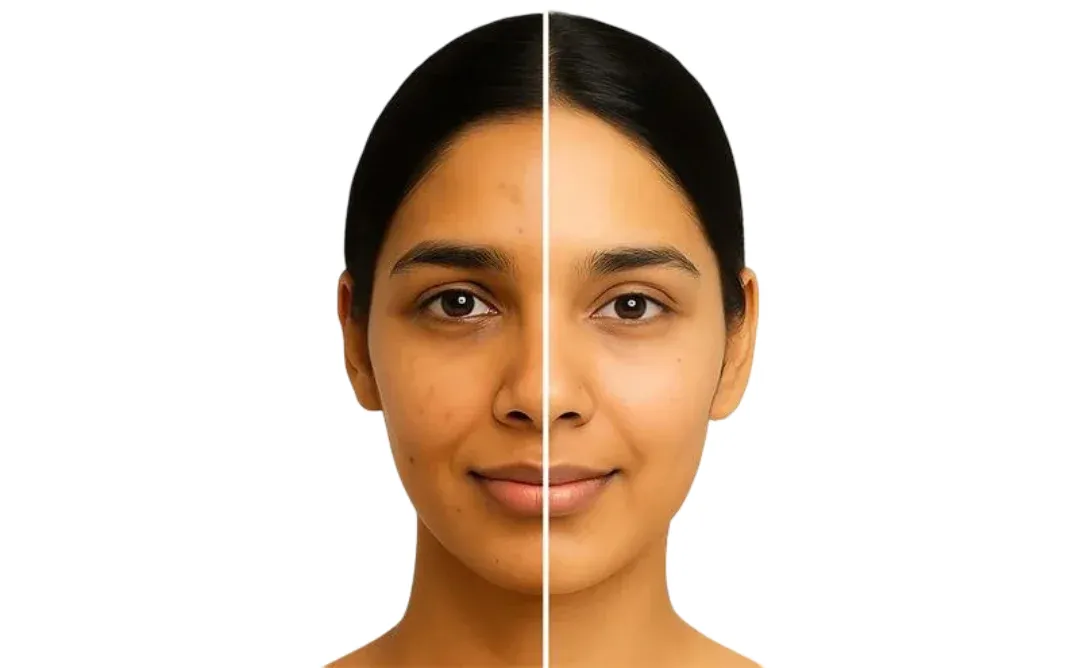
For many patients, particularly those with Indian skin tones (Fitzpatrick types IV to VI), the dark marks left after acne resolve are as distressing as the acne itself. Post-inflammatory hyperpigmentation (PIH) represents an overstimulation of melanin production in response to the inflammation generated by acne lesions. It is not permanent scarring but it is slow to fade without treatment, often taking 6 to 18 months to resolve spontaneously even after the acne itself is cleared.
A comprehensive affordable acne treatment Noida programme should address PIH alongside active acne, not as an afterthought once the acne is resolved. Topical agents including vitamin C, niacinamide, kojic acid, and azelaic acid reduce melanin production and accelerate fading. Chemical peels specifically selected for darker skin tones (mandelic, lactic, and low-percentage salicylic) provide surface exfoliation that speeds clearance. Strict daily sunscreen use is non-negotiable, as UV exposure dramatically worsens and prolongs PIH in acne patients.
True atrophic acne scars (ice pick, boxcar, and rolling scars) represent permanent loss of dermal collagen. These require dedicated resurfacing procedures including microneedling with radiofrequency, fractional CO2 laser, subcision, and dermal fillers depending on scar type and depth. The most important acne scar management strategy is preventing further scarring by treating active acne early and effectively.
What to Expect from a Dermatology Consultation for Acne
Many patients who have been managing acne independently for years are unsure what a medical consultation for acne actually involves. Here is what a thorough first visit at a qualified skin clinic in noida looks like:
- Detailed history: Duration of acne, previous treatments tried and their outcomes, menstrual cycle regularity and hormonal symptoms in women, current medications, dietary habits, and stress levels are all relevant and documented
- Acne grading: The dermatologist grades acne severity using a standardised system, classifying lesion types and counting affected areas to establish a clear baseline for tracking progress
- Trigger identification: Products currently in use are reviewed for comedogenic ingredients. Potential hormonal, dietary, and lifestyle triggers are discussed
- Hormonal assessment if indicated: Women with suspected hormonal acne may be referred for blood tests including testosterone, DHEAS, LH/FSH ratio, and fasting insulin to identify treatable hormonal drivers
- Personalised treatment plan: A written treatment programme with specific products, medications, application instructions, and a timeline for follow-up review is provided before you leave
- Transparent cost discussion: The acne treatment cost in Noida for your specific programme, including any in-clinic procedures, prescription medications, and recommended skincare products, is discussed openly so you can plan accordingly
A good dermatologist treats the whole patient, not just the pimples. Understanding your hormones, your diet, your stress levels, and your current product routine is as important as examining your skin. This is why a proper medical consultation produces fundamentally different outcomes from a pharmacy purchase.
FAQs: Acne Treatment in Noida
Q1: I have had acne for 10 years. Is it too late to treat it effectively?
No. Acne is a chronic but manageable condition at any age. Long-standing acne does not become untreatable; it simply means the biological drivers have been active for longer and may have produced more PIH and scarring that will also need to be addressed alongside the active disease. Many adult patients who seek acne treatment in Noida for the first time after years of self-management are genuinely surprised at how much improvement is achievable with a properly structured medical programme. The earlier treatment begins, the less cumulative scarring there is to address, but no patient is beyond meaningful improvement.
Q2: Will I need to use prescription medication forever, or is there a point where I can stop?
Acne treatment has phases. The active treatment phase uses combination therapy to break the acne cycle, clear existing lesions, and prevent new ones. Once the acne is well controlled, a maintenance phase using a simplified, less intensive programme typically keeps it suppressed long-term. For patients who complete a course of oral isotretinoin and achieve remission, no ongoing maintenance medication may be needed at all. The goal of treatment at a best acne treatment in Noida clinic is always to use the most intensive appropriate therapy upfront to achieve control as quickly as possible, then reduce the treatment burden over time as the skin stabilises.
Q3: I have tried antibiotics twice and my acne always comes back. Why?
Antibiotics address bacterial proliferation and inflammation (drivers 3 and 4) but do not address excess sebum production (driver 1) or abnormal keratinisation (driver 2). This means that when the antibiotic course ends, the conditions that allow C. acnes to proliferate, the sebum-rich, microcomedone-blocked follicle, are still present and the cycle restarts. Antibiotics used alone without a topical retinoid to address keratinisation and without identifying underlying triggers rarely produce durable remission. A comprehensive programme from a advanced acne treatment dermatologist addresses all four cycle drivers simultaneously rather than relying on antibiotics alone.
Q4: My acne is only on my lower face and jaw and gets worse before my period. What does this mean?
This presentation is a classic pattern of hormonal acne. The lower face and jaw distribution reflects the higher density of androgen-sensitive sebaceous glands in this region. The pre-menstrual flare corresponds to the drop in oestrogen in the luteal phase of the cycle when androgens become relatively dominant. Hormonal acne of this type often responds incompletely to topical treatments and antibiotics alone, because the root driver is the hormonal fluctuation itself. A visit to a trusted skin clinic in noida for a hormonal evaluation and discussion of anti-androgenic treatment options is strongly recommended for women with this specific pattern who have not responded adequately to standard acne treatment.
Q5: Are there any safe treatments for acne during pregnancy?
Acne during pregnancy is common due to the significant hormonal changes of the first and second trimesters. Many of the most effective acne treatments are absolutely contraindicated in pregnancy, including oral isotretinoin (strictly forbidden in pregnancy), oral antibiotics such as doxycycline and minocycline, and topical retinoids. Safe options in pregnancy include topical azelaic acid, topical erythromycin (under medical supervision), and gentle non-comedogenic skincare. Any acne treatment during pregnancy must be discussed with and supervised by both a dermatologist and the treating obstetrician. Do not self-prescribe or continue pre-pregnancy acne medications without confirming their safety in pregnancy at your skin clinic near noida consultation.
Conclusion: Break the Cycle, Not Just the Pimple
Acne is a cycle. A persistent, self-reinforcing, biologically driven cycle with four interlocking drivers that no single spot gel, cleanser, or antibiotic course can permanently interrupt on its own. The reason so many people live with acne for years without resolution is not that their acne is uniquely difficult. It is that their treatment has been targeting symptoms rather than the cycle generating those symptoms.
Effective acne treatment in Noida means seeing a qualified dermatologist who understands the full biology of acne, identifies your specific drivers and triggers, and builds a treatment programme that addresses all of them with the right combination of prescription topicals, systemic medications, hormonal assessment where relevant, in-clinic procedures where indicated, and a skincare routine that supports rather than perpetuates your condition.
Your skin has the capacity to be clear. Clear it properly, from the inside out, with a treatment programme designed around why your acne is happening, not just what it looks like on the surface. Book your consultation at a reputable skin clinic in noida today and take the first real step toward breaking the cycle for good.
Source: hackmd.io
























Sign in to leave a comment.