

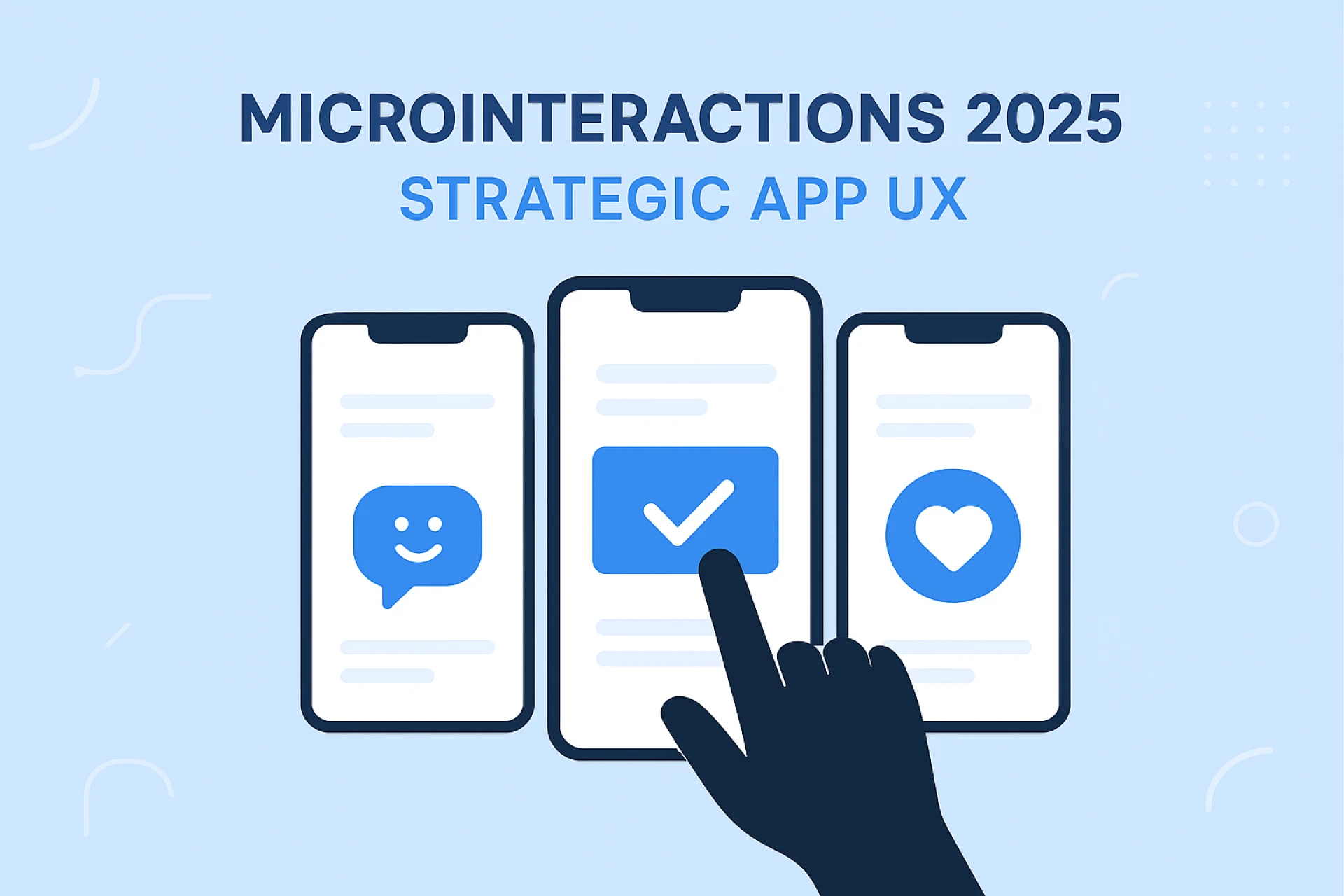
In the world of user experience (UX), the smallest details often create the biggest impact. Micro interactions—those subtle animations, feedback loops, or transitions that happen during user engagement—are among the most powerful tools in modern design. From the vibration when you receive a notification to the heart animation when liking a post, these moments bring interfaces to life. As we enter 2025, the role of App UX Micro Interactions is becoming even more critical. Users expect not only functionality but also delight, and effective micro interactions can make digital products memorable, intuitive, and engaging.
The Growing Importance of Micro Interactions
Digital experiences are becoming more personalized, immersive, and dynamic. With rapid advancements in AI, 5G, and adaptive design, interfaces are no longer static. Micro Interactions 2025 will go beyond simple animations; they will adapt intelligently to user context, behavior, and preferences.
For example, instead of a standard loading spinner, apps may display context-aware animations that provide relevant insights or even entertainment during waiting times. Similarly, haptic feedback combined with subtle sound effects can guide users through complex workflows, reducing cognitive load. These small touches can significantly influence user satisfaction and product adoption.
Core Functions of Micro Interactions
To design effectively for 2025, it’s essential to understand the four primary purposes of micro interactions in UX design:
- Providing Feedback – They let users know that their action was successful. A button press that changes color or animates reassures the user that the system is responding.
- Enhancing Navigation – Micro interactions guide users intuitively, such as swiping cues, progress indicators, or highlighting active tabs.
- Communicating System Status – Whether it’s showing that a message is being sent or confirming an update, micro interactions keep users informed.
- Encouraging Engagement – Playful or delightful touches, like celebratory animations after completing a task, encourage repeat interactions and strengthen emotional connection.
Design Principles for Effective Micro Interactions in 2025
To make App UX Micro Interactions meaningful rather than distracting, designers should follow certain principles that align with evolving user expectations:
1. Purposeful Design
Every micro interaction must have a clear function. Avoid adding animations just for aesthetics. In Micro Interactions 2025, the focus will be on purposeful delight—designs that both inform and entertain without slowing users down.
2. Context Awareness
Modern users expect apps to be intelligent. Micro interactions should adapt based on context, such as location, time of day, or user history. For instance, a finance app could display a cheerful animation when a user reaches a savings milestone, reinforcing positive behavior.
3. Subtlety and Balance
While engaging, micro interactions should never overwhelm the experience. Overly flashy animations can frustrate users. The principle is to remain subtle yet noticeable, ensuring the interface feels natural and fluid.
4. Multi-Sensory Feedback
With advances in haptics, AR, and sound design, micro interactions are no longer limited to visual elements. Adding gentle vibrations, voice cues, or spatial sound effects enhances immersion and accessibility, offering users multiple ways to process feedback.
5. Speed and Performance
In 2025, speed remains critical. Micro interactions should be lightweight and instantaneous. If animations delay user actions, they harm rather than help. Designers must optimize transitions so they enhance efficiency instead of slowing workflows.
6. Inclusivity and Accessibility
Accessibility is at the forefront of UX trends. Micro interactions must be designed to accommodate users with visual, auditory, or motor impairments. This could include scalable animations, alternative audio cues, or haptic confirmations, ensuring inclusivity for all users.
7. Personalization
With AI-driven UX, micro interactions can be tailored to individual preferences. For example, a health app could celebrate milestones in different ways depending on the user’s mood or engagement history. Personalization ensures that micro interactions feel meaningful and relevant.
Examples of Next-Generation Micro Interactions
Looking ahead, Micro Interactions 2025 will take many creative forms:
- Adaptive Buttons: Buttons that shift style and response based on usage patterns, providing smarter interactions.
- Contextual Loading States: Replacing boring loaders with personalized messages, tips, or animations tied to the task at hand.
- Smart Notifications: Instead of just alerts, micro interactions may involve mini-interactions where users can respond or snooze with voice or gestures.
- Immersive Haptics: Tactile feedback that simulates textures, making digital interactions feel more physical and realistic.
- AR-Enhanced Interactions: For AR applications, micro interactions could provide real-time guidance through floating cues or interactive overlays.
Challenges in Designing Micro Interactions
Despite their benefits, micro interactions come with challenges. Designers must balance creativity with usability, ensuring animations don’t become gimmicky. Performance optimization is also key, especially as devices vary in processing power. Additionally, testing across cultures is crucial—what feels engaging in one market may feel distracting in another.
The Future of Micro Interactions
By 2025, micro interactions will no longer be “small details” but core building blocks of mobile and web design. As digital ecosystems evolve, they will bridge the gap between functionality and emotional engagement. Businesses that embrace App UX Micro Interactions will foster stronger user connections, drive retention, and stand out in competitive markets.
Conclusion
The future of UX lies in the details. Micro Interactions 2025 will transform how users perceive and engage with digital products, making everyday tasks more intuitive, enjoyable, and human-centric. By following design principles—purpose, context, subtlety, multi-sensory feedback, inclusivity, and personalization—designers can craft experiences that feel natural and delightful. As technology grows smarter, micro interactions will be the invisible threads weaving together seamless, engaging, and unforgettable user journeys.




























Sign in to leave a comment.