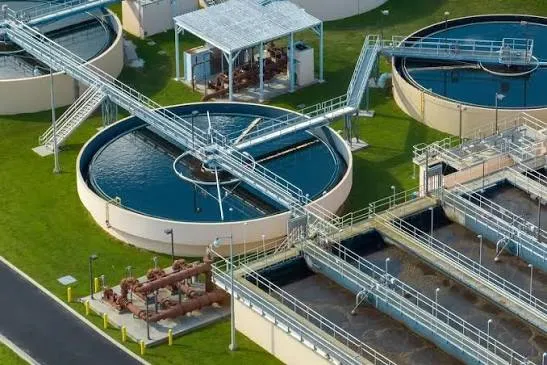

Water is becoming an increasingly important consideration in building design. Growing demand, changing rainfall patterns and pressure on freshwater resources are encouraging building owners and design teams to look beyond conventional water supply systems. Instead of treating water use as a separate concern, projects can incorporate efficiency measures across plumbing, MEP services and wastewater management.
A well-planned approach can reduce freshwater consumption while improving the overall performance of a building. It can also help projects meet sustainability targets without compromising occupant comfort or operational requirements.
The Role of MEP Design in Water Efficiency
MEP systems have a significant influence on how efficiently a building uses water. Plumbing layouts, fixtures, pumping systems, cooling equipment and water treatment solutions all contribute to the building's overall water demand.
An effective water efficient MEP design begins with understanding how water moves through the building. Designers can assess demand across different applications and select systems that minimise unnecessary consumption. Low-flow taps and showers, dual-flush toilets, efficient cooling systems and appropriately sized pumps are some of the measures that can contribute to better water performance.
Design coordination is equally important. When plumbing and other MEP services are considered together during the early stages of a project, designers can identify opportunities to reduce water consumption and avoid inefficient system layouts.
Making Better Use of Wastewater
Reducing water consumption is only one part of the equation. Buildings can also improve efficiency by finding suitable ways to reuse water that would otherwise be discharged as wastewater.
This is where grey water recycling systems can play an important role. Grey water generally comes from sources such as showers, wash basins and laundry facilities. After suitable treatment, this water can potentially be reused for applications that do not require potable water, such as toilet flushing, landscape irrigation and certain cleaning activities.
The feasibility of a recycling system depends on the building type, available space, water quality requirements and intended reuse applications. Proper segregation of grey water from blackwater streams is also essential for effective collection and treatment.
Integrating Water Management into Building Design
Water efficiency works best when it is considered as part of the overall building strategy rather than added after the design is complete. Architects, MEP consultants and facility teams can work together to identify where water can be saved, reused and monitored.
Smart metering and monitoring systems can further support this approach by helping facility managers track consumption and identify unusual usage patterns. Regular maintenance is also important, as leaks and poorly performing equipment can gradually undermine the benefits of efficient systems.
Building for Long-Term Water Performance
As buildings become more focused on resource efficiency, water management is likely to become an increasingly important part of MEP planning. Combining efficient fixtures and equipment with thoughtful system design and water reuse can reduce dependence on freshwater supplies.
The goal is not simply to use less water, but to make better use of every litre throughout a building's lifecycle. By addressing water efficiency during the design stage, projects can create systems that are more resilient, economical and suited to changing environmental demands.

























Sign in to leave a comment.