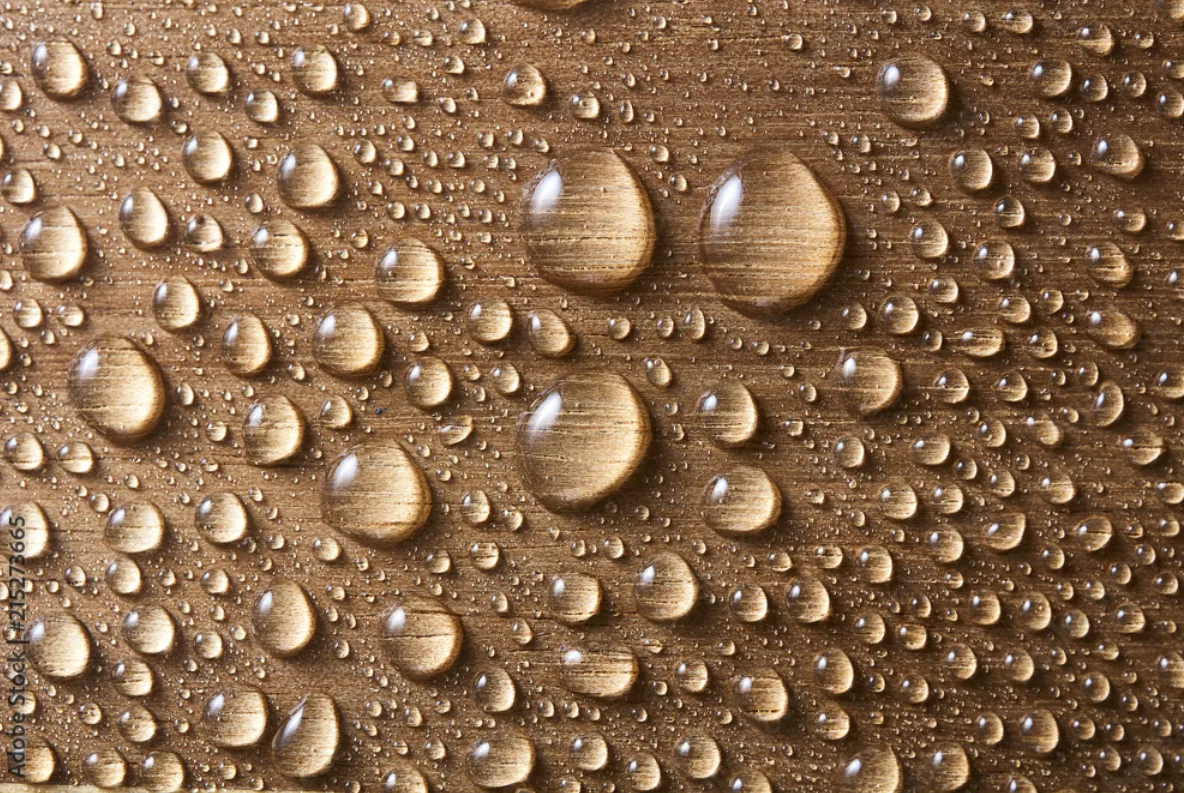
When you're in the middle of construction, material decisions happen fast. Waterproof plywood is usually one of those items that gets finalized in a rush, often based on a brand name you recognize or whatever your contractor has loaded on the truck. But the real test of that choice doesn't happen on day one; it happens three years later in the middle of a humid monsoon.
Imagine this: you walk into a kitchen that’s about three years old. At first glance, the laminate looks fine, but when you lean in, the details tell a different story. There’s a slight, stubborn swelling at the edges near the sink and where the tiles meet the plywood, a faint bubbling under the surface that catches the light, and cabinet shutters that no longer meet with that satisfying, flush click. None of these signs are dramatic on their own, but together, they’re the quiet evidence of a material starting to give way.
The frustrating part is that most of these kitchens were made with plywood that was sold to you with the label "waterproof."
The problem usually isn't that the material was labeled incorrectly. It’s that we don't always account for how it behaves in actual Indian conditions - where high humidity, daily water exposure, and poor ventilation all hit at once. Most issues actually start at the edges. When plywood is cut on-site, the internal layers are exposed. If those edges aren't sealed perfectly during installation, they act like straws for moisture.
Over time, even routine cleaning or steam from cooking starts to rot the board from the inside out. There is also a gap between what we expect and what the material can actually do. We often treat "waterproof" as "maintenance-free," but no wood-based product is entirely immune to its environment. High-grade plywood offers resistance, not invincibility.
If the installation is rushed or the hardware puts uneven stress on the panels, the whole system weakens, regardless of how much you paid for the base material. Dissatisfaction usually stems from this gap. It’s not necessarily that the wrong product was chosen, but that the conditions it would face over its lifecycle weren't fully respected. Choosing plywood shouldn't just be about the point of purchase; it’s about understanding how that material will respond to seasonal changes and daily wear long after the contractors have left.
Where This Leaves You
If you’re selecting materials now, it helps to look past the surface claims and see how these options perform in real-world applications, particularly in wet areas and outdoors. For a detailed breakdown of waterproof plywood brands available in India and where each one fits best, you can find the full guide here :
Best waterproof plywood brands in India l Top 15 ply companies manufacturers in 2026





















Sign in to leave a comment.