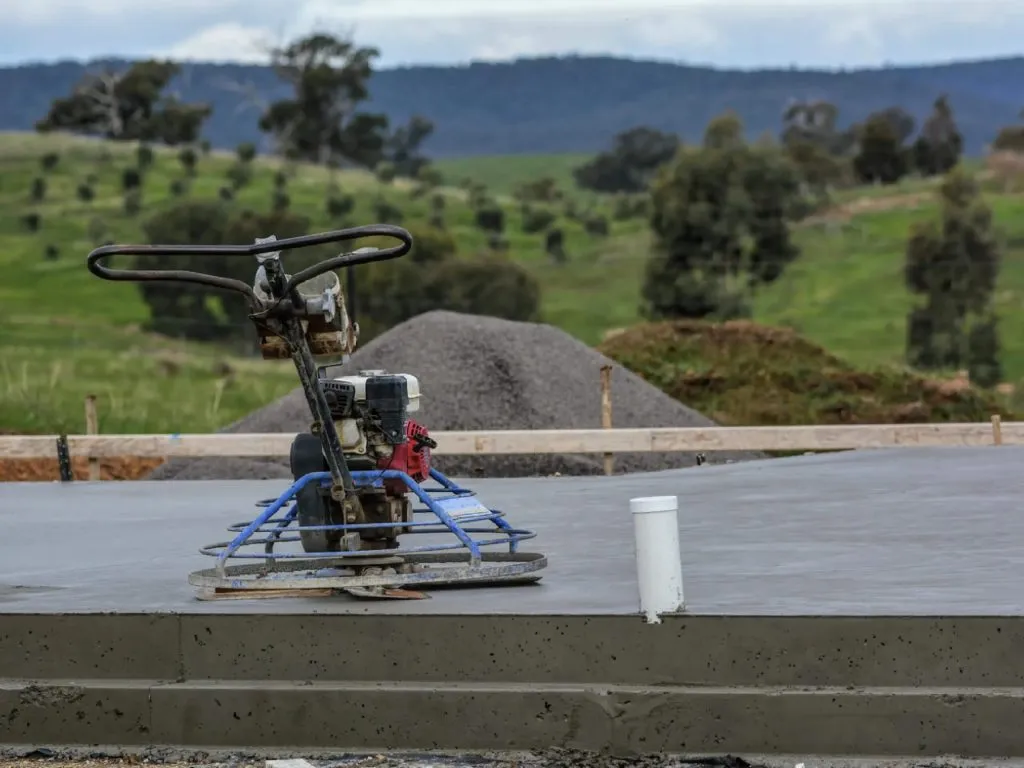

A strong and durable concrete slab is the foundation of many homes, garages, patios, sheds, and commercial structures. While most homeowners focus on the quality of the concrete or the finish of the surface, drainage is often overlooked during planning and construction. Unfortunately, poor drainage is one of the biggest causes of cracking, sinking, and long-term structural damage in any concrete slab.
Water may seem harmless at first, but over time it can weaken the soil beneath the slab, create pressure against the concrete, and lead to costly repairs. Many drainage issues remain hidden until major damage appears, which is why understanding the warning signs and prevention methods is essential for homeowners and property developers alike.
In this guide, we’ll explore the hidden drainage problems that can damage a concrete slab, how to identify them early, and the best ways to protect your investment for years to come.
Why Drainage Matters for a Concrete Slab
Every concrete slab relies on stable ground support. When water accumulates around or underneath the slab, the soil begins to shift, soften, or erode. This movement can place uneven pressure on the slab and eventually cause cracks or sinking sections.
Drainage problems are especially common in areas with heavy rainfall, poor soil conditions, or improperly designed landscaping. Even a professionally installed concrete slab can fail if water is not directed away correctly.
Ignoring drainage can turn a small moisture issue into a major structural problem.
Signs Your Concrete Slab May Have Drainage Problems
Many drainage issues develop slowly over time. By spotting the warning signs early, homeowners can prevent more serious damage.
1. Cracks Appearing in the Slab
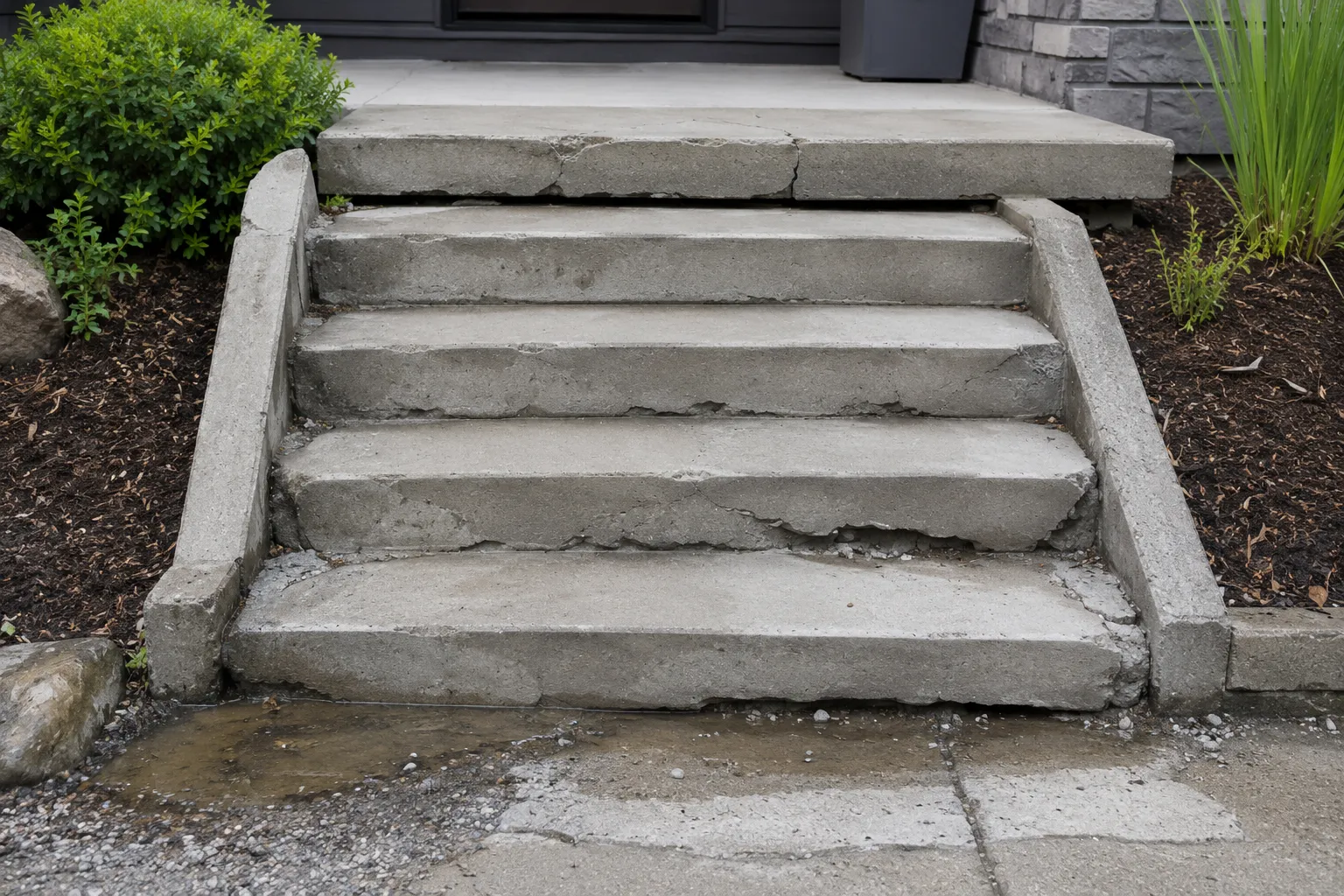
Small cracks are common in concrete, but widening or uneven cracks often indicate water-related soil movement beneath the slab. If one side of the crack sits higher than the other, drainage may be the cause.
2. Water Pooling Around the Slab
Standing water after rainfall is one of the clearest signs of poor drainage. If water remains near the edges of a concrete slab for long periods, moisture can seep underneath and weaken the foundation.
3. Uneven or Sinking Areas
A sinking slab often happens when water washes away the supporting soil below. This creates empty spaces beneath the concrete, causing sections to settle unevenly.
4. Damp or Mouldy Smells
Moisture trapped around the slab can create damp conditions that encourage mould growth. This is especially common in garages, basements, and enclosed outdoor areas.
5. Erosion Around Edges
If you notice soil disappearing near the edges of the slab, water runoff may be eroding the surrounding ground. Over time, this reduces support for the concrete slab.
Hidden Drainage Problems That Cause Concrete Slab Damage
Some drainage issues are obvious, while others remain hidden until significant damage occurs. Understanding these hidden problems can help property owners avoid costly mistakes.
Poor Site Grading
One of the most common causes of slab damage is improper site grading. The land surrounding the slab should slope away from the structure so water naturally drains outward.
If the ground slopes toward the slab instead, rainwater collects near the foundation and gradually seeps underneath. Even a high-quality concrete slab can suffer severe damage when water constantly pools nearby.
Professional contractors carefully assess site grading before installation to ensure proper water flow.
Blocked or Inadequate Drainage Systems
Drains, gutters, and downpipes play a major role in protecting a concrete slab. When these systems become blocked with leaves, dirt, or debris, water overflows and accumulates near the slab.
In some cases, properties simply lack adequate drainage systems altogether. Without proper stormwater management, water has nowhere to go during heavy rainfall.
Regular inspection and maintenance of drainage systems can prevent long-term slab issues.
Expansive Soil Movement
Certain soil types expand when wet and shrink when dry. This constant movement creates pressure beneath the slab, leading to cracking and instability.
Clay-heavy soils are particularly problematic because they absorb large amounts of moisture. During wet weather, the soil swells and pushes upward against the concrete slab. In dry conditions, the soil contracts and leaves gaps underneath.
This cycle of expansion and contraction weakens the slab over time.
Landscaping Mistakes
Many homeowners unintentionally create drainage issues through poor landscaping choices. Garden beds, retaining walls, and decorative features can trap water around the slab if not designed correctly.
Large trees planted too close to a concrete slab may also contribute to drainage problems. Tree roots absorb moisture unevenly and disturb the soil beneath the slab.
Professional landscaping should always consider drainage pathways and water flow direction.
Broken Underground Pipes
Leaking underground plumbing pipes can silently damage a slab for years before becoming visible. Water escaping beneath the concrete slowly erodes soil and creates unstable conditions.
Early leak detection is critical to protecting the integrity of the concrete slab.
Poor Compaction Before Installation
A slab is only as strong as the ground beneath it. If the soil was not compacted properly before installation, water infiltration can quickly cause settlement and movement.
Professional contractors use specialised equipment to compact the base material before pouring a concrete slab. Skipping this step increases the risk of future drainage-related problems.
How Water Damages a Concrete Slab Over Time
Water damage does not happen overnight. It usually develops gradually through repeated exposure and poor moisture management.
Soil Erosion
Flowing water slowly washes away the soil beneath the slab. As support weakens, the slab begins to sink or crack.
Hydrostatic Pressure
When water accumulates beneath the slab, pressure builds upward against the concrete. This pressure can force moisture through small cracks and weaken the slab structure.
Freeze and Expansion Cycles
In colder regions, trapped water may freeze and expand, increasing crack size and damaging the slab surface.
Reinforcement Corrosion
If moisture reaches the steel reinforcement inside the slab, rust can develop. Corroded reinforcement weakens the structural strength of the concrete slab.
Preventing Drainage Problems Around Concrete Slabs
The good news is that most drainage issues can be prevented with proper planning and maintenance.
Ensure Proper Site Preparation
Before installing a concrete slab, the site should be carefully evaluated for drainage risks. Proper grading and soil preparation are essential for long-term durability.
Maintain Gutters and Downpipes
Blocked gutters overflow during heavy rain and dump water directly near the slab. Regular cleaning helps prevent moisture buildup around the foundation.
Use Quality Materials
A professionally built concrete slab uses high-quality concrete, reinforcement, and compacted base materials designed to withstand moisture exposure.
Avoid Overwatering Landscaping
Excessive irrigation near the slab can saturate the soil and create hidden drainage issues. Sprinklers should be positioned away from slab edges whenever possible.
Schedule Regular Inspections
Periodic inspections can identify small problems before they become major repairs. Look for cracks, pooling water, or soil erosion regularly.
Long-Term Benefits of Proper Drainage
Investing in proper drainage protection offers major long-term advantages for any concrete slab.
Increased Lifespan
Good drainage helps slabs remain stable and durable for decades.
Lower Repair Costs
Preventative drainage measures are far more affordable than major slab repairs or replacement.
Better Property Value
Well-maintained slabs improve both appearance and structural reliability, increasing property appeal.
Improved Safety
Cracked or uneven slabs create tripping hazards and potential structural risks. Proper drainage helps maintain safe surfaces.
Final Thoughts
Drainage problems are one of the most overlooked threats to any concrete slab. While cracks and sinking may appear suddenly, the damage often develops slowly beneath the surface due to hidden moisture issues.
From poor site grading and blocked drains to leaking pipes and unstable soil, water can silently weaken a slab over time. The key to protecting your investment is early detection, proper drainage planning, and regular maintenance.
Whether you are building a new patio, driveway, garage, or home foundation, ensuring proper water management is essential for long-lasting results. A professionally installed and well-maintained concrete slab can provide strength, durability, and reliability for many years when drainage is handled correctly.























Sign in to leave a comment.