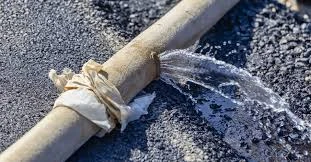
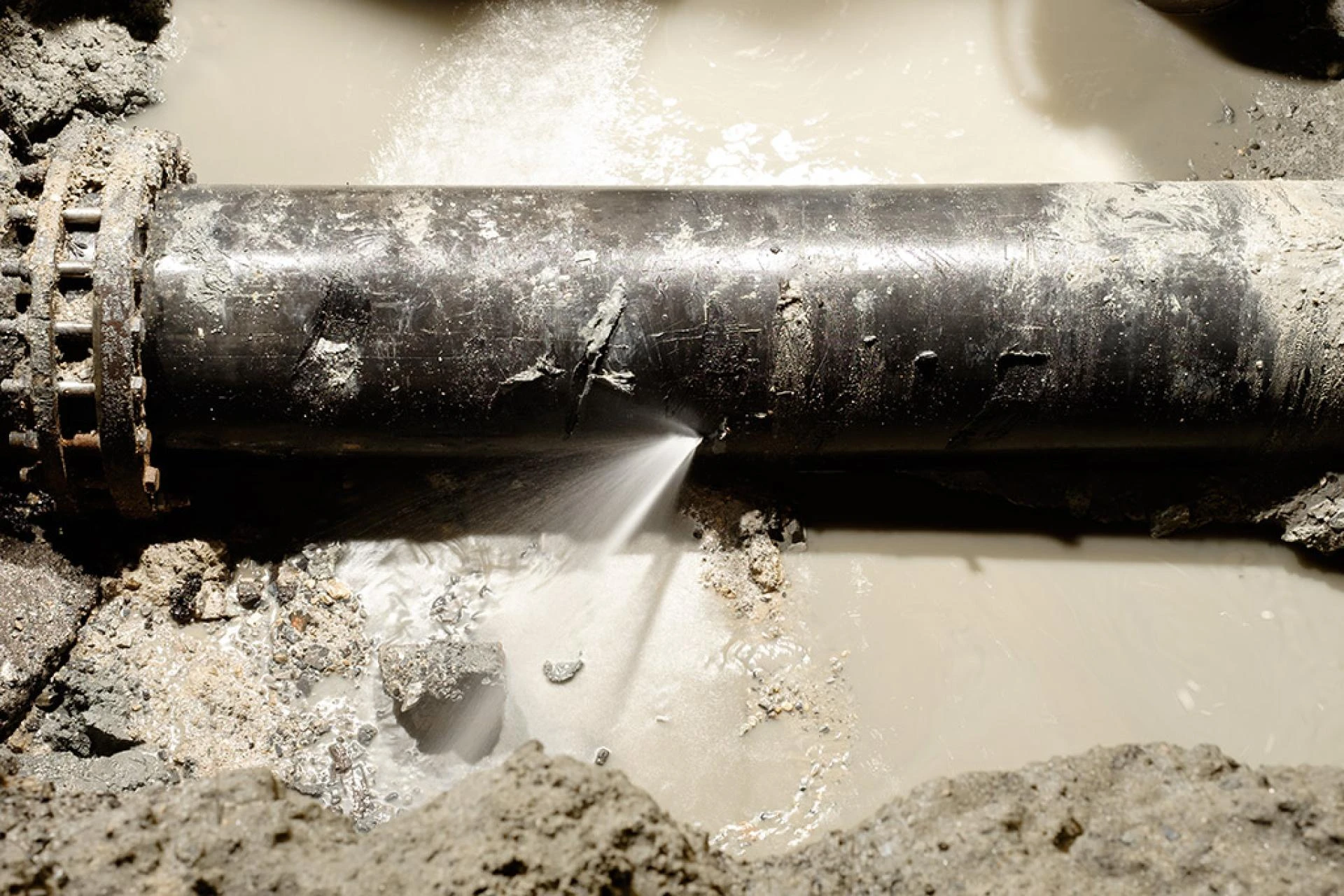
Hidden water leaks are a common problem in many homes, yet they often go unnoticed until significant water damage occurs. While some leaks are visible—like a dripping faucet or running toilet—many remain concealed inside walls, under floors, or behind appliances. Detecting hidden water leaks early through proper leak repair and plumbing inspection is crucial to prevent costly repairs and maintain a safe home environment.
Why Hidden Water Leaks Are a Serious Threat
Even a small hidden water leak can cause major damage over time. Water can seep into drywall, insulation, and wooden beams, leading to structural problems. Persistent moisture also encourages mold and mildew growth, which can compromise indoor air quality and trigger health issues. In addition, unnoticed leaks increase water bills, wasting hundreds of gallons each month. Regular home plumbing inspections help identify these issues before they escalate.
Signs of Hidden Water Leaks in Your Home
Homeowners can watch for these signs to detect hidden water leaks:
- Unexplained High Water Bills: Sudden increases in water usage may indicate leaks in pipes or fixtures.
- Stains or Discoloration: Yellow or brown spots on walls, ceilings, or floors can signal a leak behind surfaces.
- Damp or Musty Smells: Mold caused by hidden water leaks produces persistent, unpleasant odors.
- Peeling Paint or Wallpaper: Excess moisture can cause finishes to bubble or peel.
- Sounds of Running Water: Water flowing when faucets are off often indicates a hidden leak in your home plumbing.
Effective Leak Detection Techniques
Proper leak detection can save your home from water damage. Some effective methods include:
- Visual Inspection: Check under sinks, around water heaters, and near appliances for signs of leaks.
- Water Meter Monitoring: Turn off all water, then check your meter. Any movement suggests a hidden leak.
- Thermal Imaging: Professionals use thermal cameras to locate leaks inside walls or under floors.
- Moisture Meters: These tools detect elevated moisture levels, helping pinpoint leaks invisible to the eye.
The Importance of Professional Plumbing Inspection
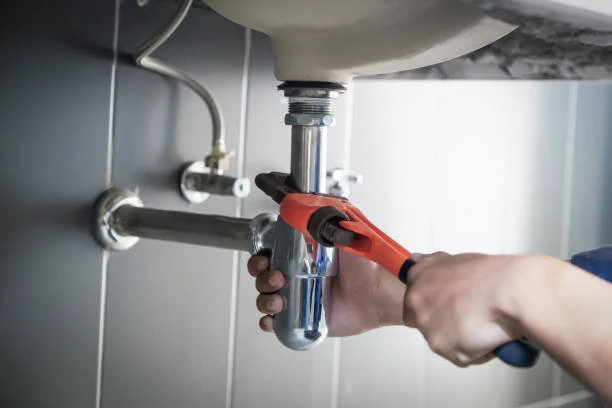
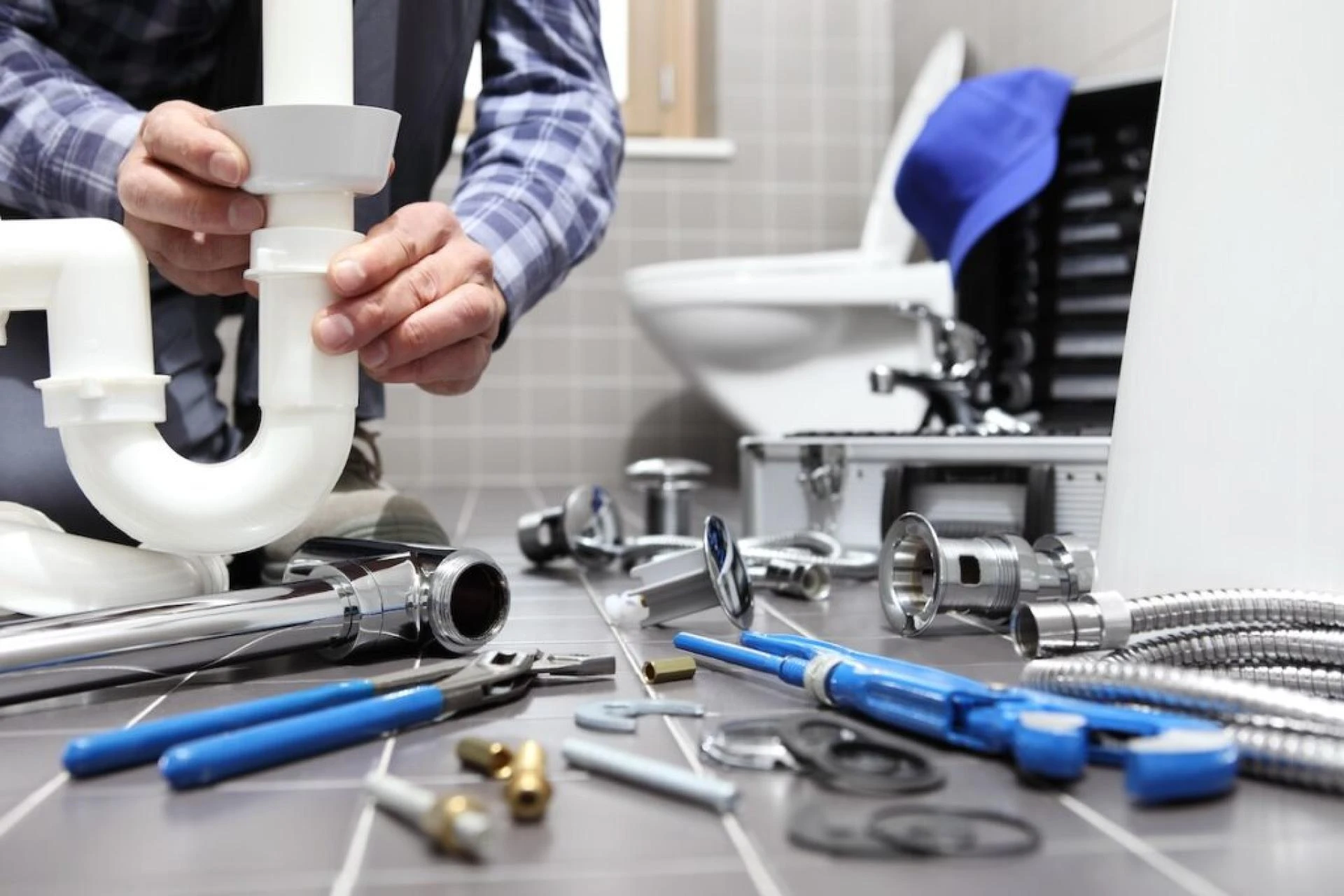
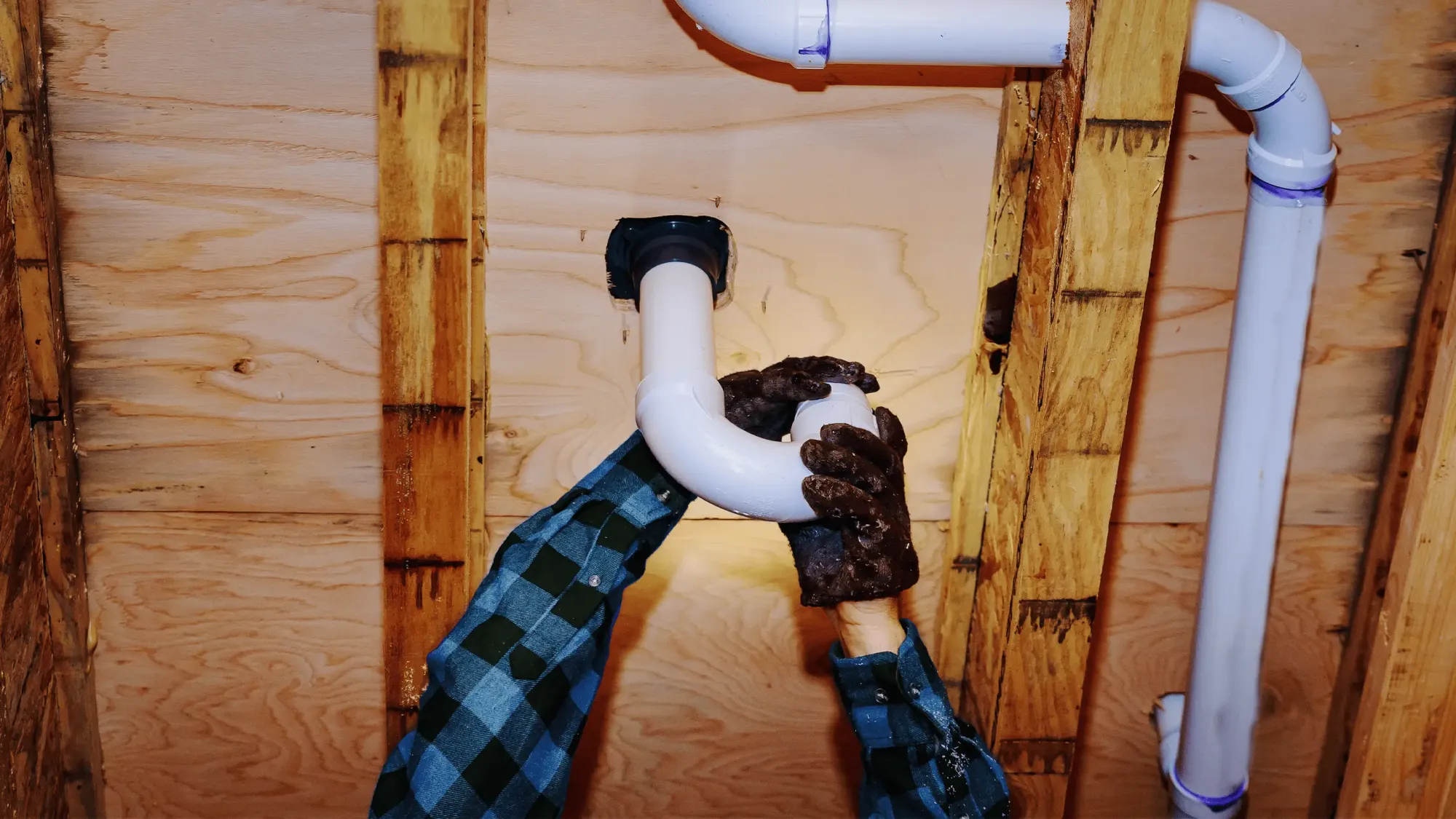
While homeowners can spot some leaks, a licensed plumber provides comprehensive plumbing inspection services. Professionals can identify hidden water leaks inside walls, under slabs, or in inaccessible areas, and offer reliable repair solutions. Timely plumbing inspection not only prevents water damage but also ensures your home plumbing system operates efficiently.
Preventive Measures for Hidden Water Leaks
Preventing hidden water leaks requires regular maintenance. Schedule annual home plumbing inspections, monitor appliances for wear, and replace old or damaged pipes when needed. Installing water leak detectors near water heaters, under sinks, and behind major appliances adds an extra layer of protection, alerting homeowners to leaks before they cause significant damage.
Conclusion
Hidden water leaks are silent threats to your home’s structure, health, and finances. Early leak detection and professional plumbing inspections are key to preventing water damage and maintaining a safe, efficient home plumbing system. By staying vigilant and taking preventive measures, homeowners can protect their property, reduce repair costs, and ensure their home remains safe and comfortable for years to come.






















Sign in to leave a comment.