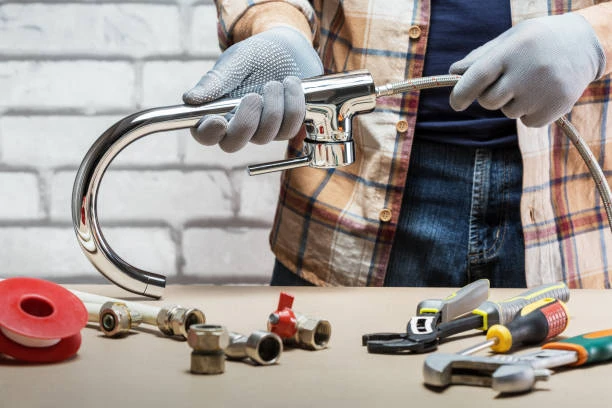
Plumbing problems can strike unexpectedly, causing water damage, high repair bills, and a lot of stress. From leaking faucets to burst pipes, these issues are not only inconvenient but can also compromise the safety of your home. The good news is that many plumbing problems are preventable with the right knowledge and proactive maintenance. This guide offers homeowners practical tips to avoid costly plumbing repairs and keep their plumbing systems running smoothly.
1. Inspect Your Plumbing Regularly
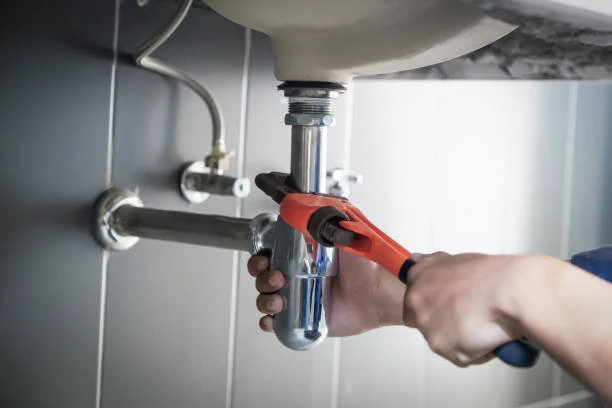
Routine inspections are essential for detecting small problems before they turn into expensive repairs. Check under sinks, behind toilets, and around appliances like dishwashers and washing machines for leaks, water stains, or corrosion. Even minor leaks can waste hundreds of gallons of water and cause significant damage if left untreated. Regularly inspecting your plumbing helps you address issues early and maintain a reliable system.
2. Know Your Main Water Shut-Off Valve
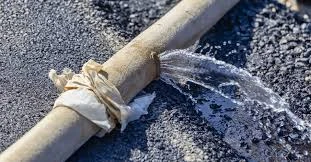
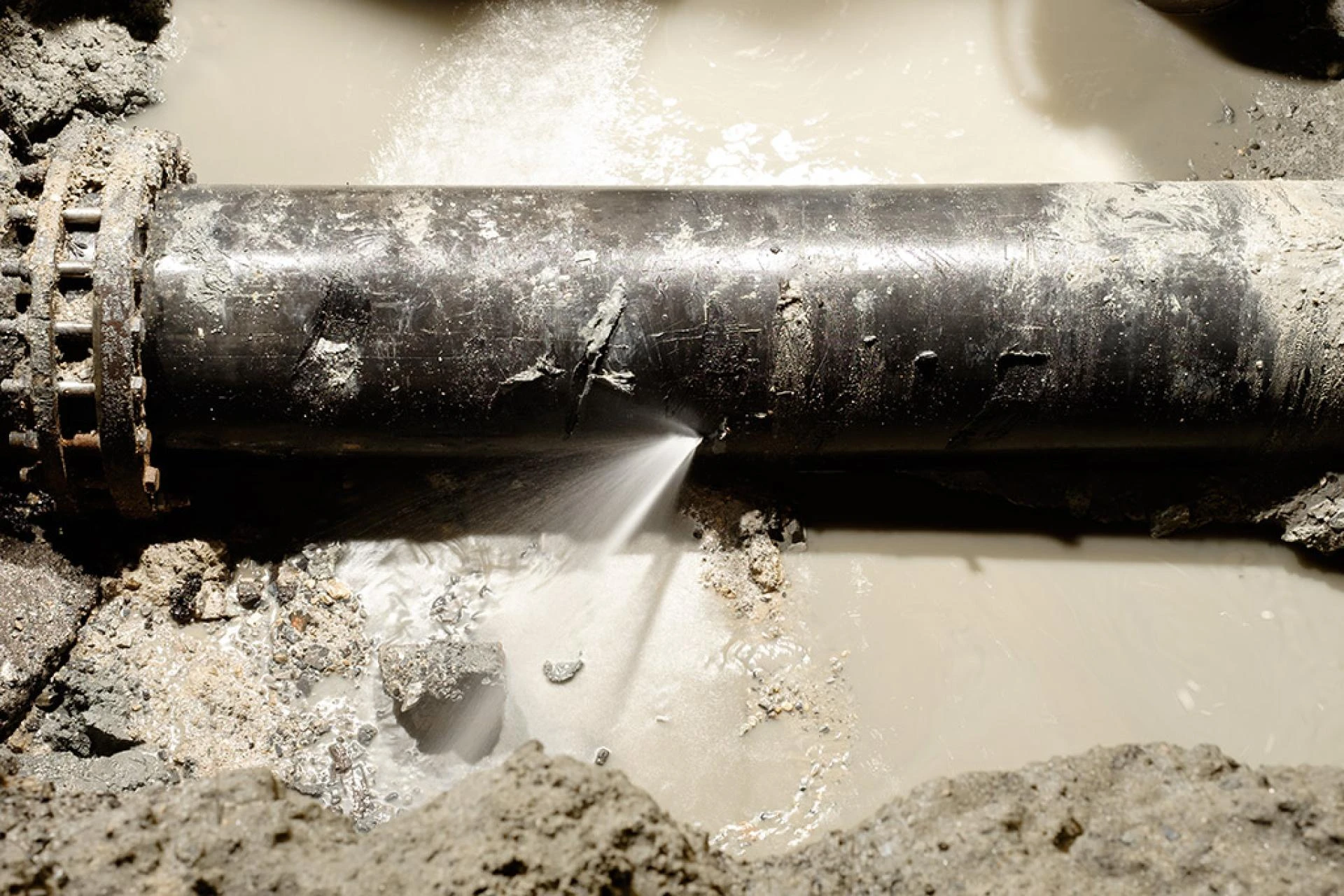
In the event of a major leak or burst pipe, knowing how to shut off your home’s main water supply is critical. Acting quickly can prevent extensive flooding and save thousands in repair costs. Ensure that everyone in your household knows the location of the main valve and how to operate it in an emergency.
3. Avoid Clogs by Using Drains Properly
Clogged drains are one of the most common plumbing issues. Avoid flushing items like wipes, paper towels, and feminine hygiene products down toilets. In the kitchen, never pour grease, oil, or coffee grounds down the sink. Use drain strainers to catch hair, food particles, and other debris. Proper drain usage and preventive cleaning reduce the risk of blockages and costly emergency repairs.
4. Maintain Your Water Heater
Water heaters repair are essential but often neglected. Sediment buildup and corrosion can reduce efficiency and lead to leaks or complete failure. Flush your water heater at least once a year, check the pressure relief valve, and inspect for signs of rust or leakage. Proper maintenance ensures reliable hot water and prevents emergency repairs.
5. Monitor Water Pressure
High water pressure can strain pipes, valves, and fixtures, causing leaks or bursts. Use a water pressure gauge to monitor your system, ideally keeping it between 40 and 60 psi. Installing a pressure regulator can help maintain safe water pressure levels and extend the lifespan of your plumbing system.
6. Winterize Your Pipes
Frozen pipes are a leading cause of plumbing disasters during winter. Insulate exposed pipes in basements, garages, and crawl spaces. During extreme cold, let faucets drip slightly and keep cabinet doors open to allow warm air circulation. Preventing frozen pipes is much easier and cheaper than repairing a burst pipe and water damage.
7. Respond Promptly to Warning Signs
Slow drains, low water pressure, strange noises, or unusual odors are signs of underlying plumbing problems. Ignoring these early warnings can result in larger, more costly repairs later. Address minor issues promptly or call a licensed plumber to prevent emergencies.
8. Upgrade Old Pipes and Fixtures
Older homes often have outdated plumbing materials prone to corrosion and leaks. Replacing aging pipes with durable materials such as PEX or copper can prevent failures. Upgrading faucets, toilets, and shower heads to modern, water-efficient models not only reduces the risk of plumbing issues but also lowers water bills.
9. Schedule Professional Inspections
Even with regular maintenance, some problems are difficult to detect. A licensed plumber can inspect your system for hidden leaks, corrosion, and potential failures. Annual professional inspections help homeowners prevent major emergencies and ensure that the plumbing system operates efficiently.
10. Keep a Plumbing Emergency Kit
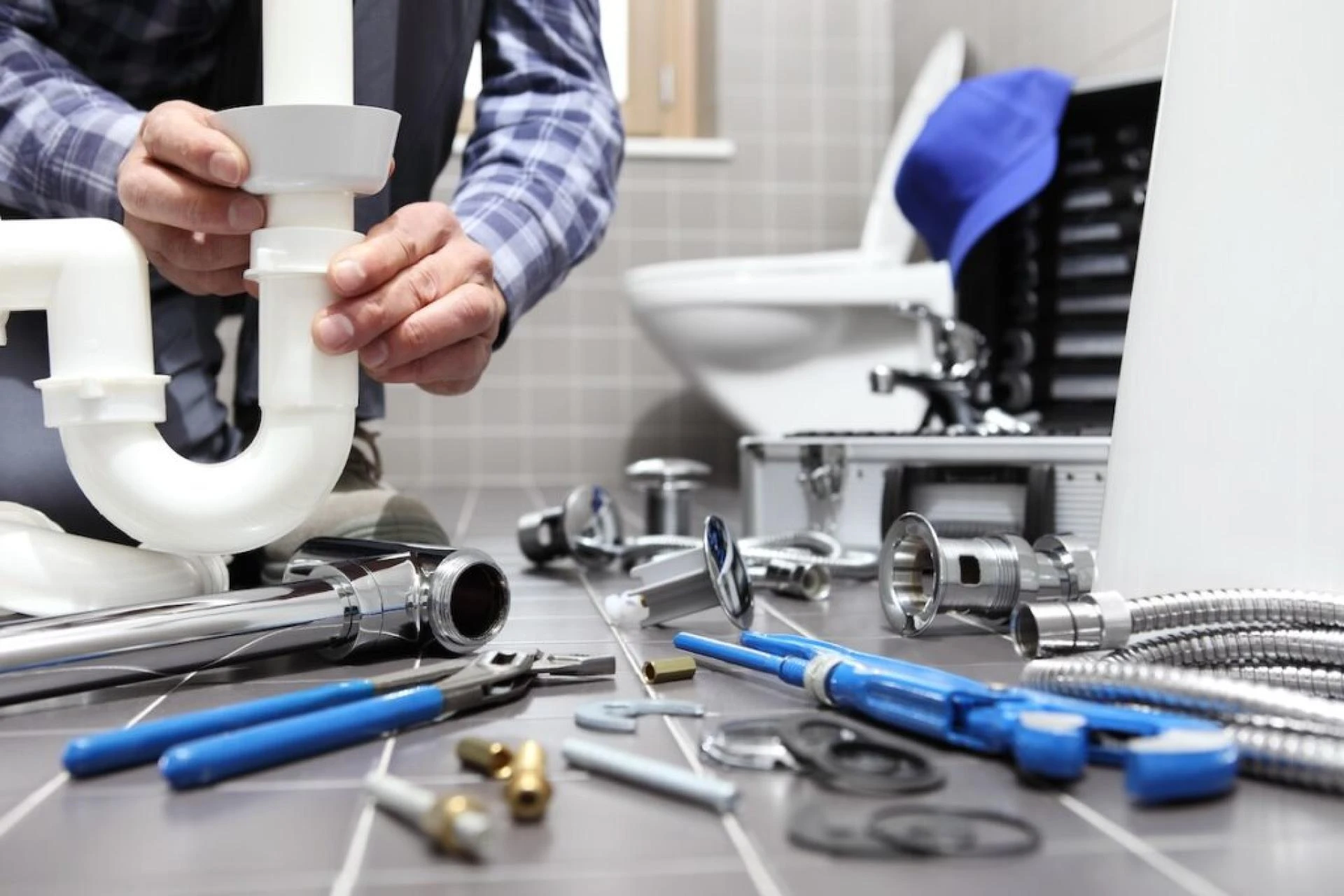
Being prepared for unexpected issues can minimize damage. Keep essentials like a plunger, adjustable wrench, pipe tape, bucket, and flashlight on hand. This kit allows homeowners to manage minor emergencies until professional help arrives.
Conclusion
Preventing costly plumbing repairs requires a proactive approach, routine maintenance, and awareness of warning signs. By following these tips, homeowners can detect problems early, maintain their plumbing systems efficiently, and avoid expensive emergencies. Investing time in plumbing care today ensures a safe, reliable, and trouble-free home tomorrow.
























Sign in to leave a comment.