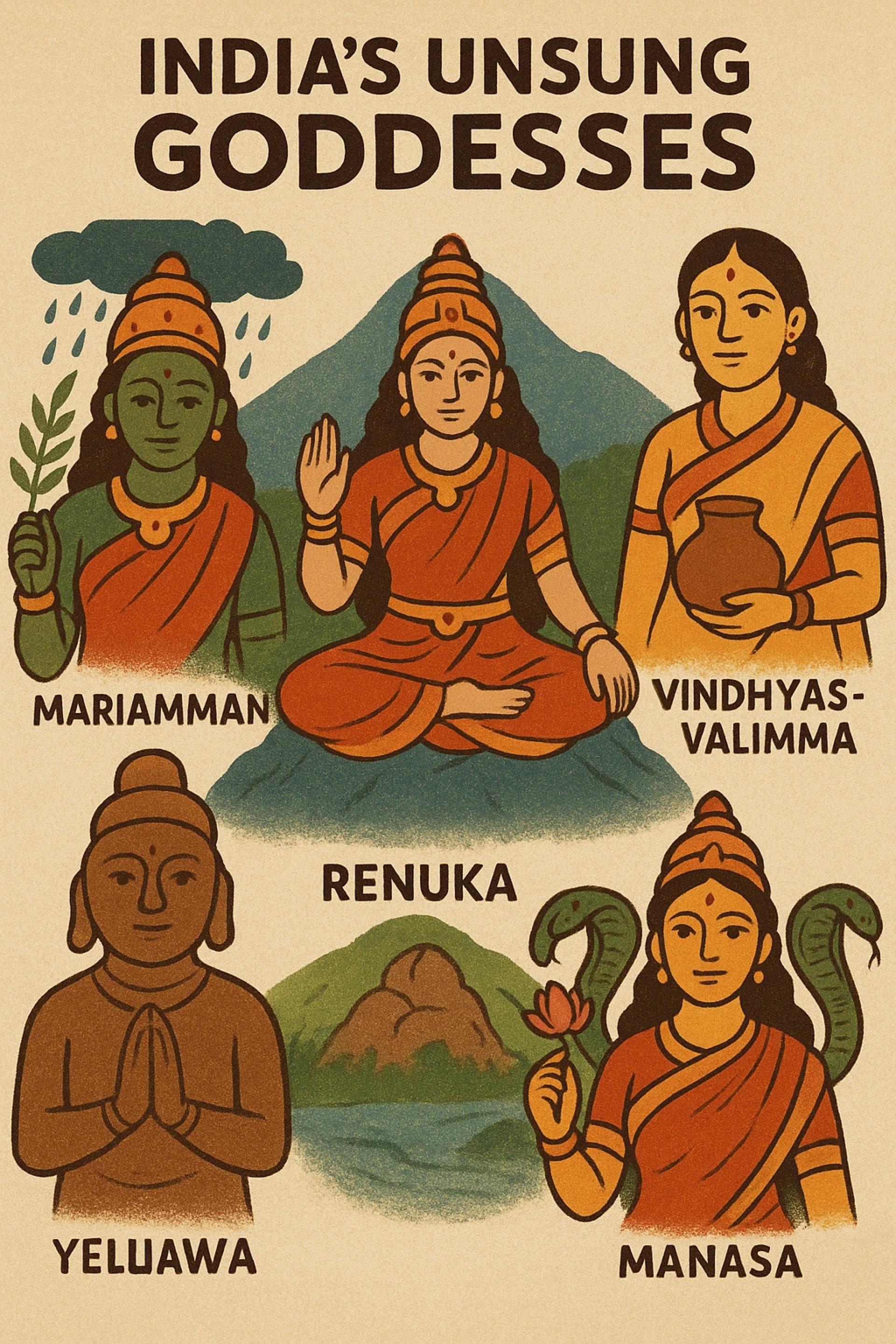

The Shrimad Devi Bhagwat Puran is one of the most revered texts in Hinduism, holding immense significance in understanding the essence of divine femininity, cosmic balance, and spiritual devotion. As one of the eighteen major Puranas, it stands as a cornerstone of Shaktism—the tradition that venerates the Goddess as the ultimate reality. This sacred scripture not only narrates the glory of the Goddess but also provides profound insights into the cultural, philosophical, and spiritual foundations that have shaped Hindu society for centuries.
Through its poetic verses, moral parables, and metaphysical teachings, the Shrimad Devi Bhagwat Puran serves as both a guide to self-realization and a mirror reflecting India’s deep-rooted reverence for divine motherhood. Its influence is felt in rituals, festivals, art, literature, and the collective consciousness of devotees who see the Goddess as the embodiment of creation, preservation, and destruction.
Origins and Composition of the Shrimad Devi Bhagwat Puran
The Shrimad Devi Bhagwat Puran is believed to have been composed by the great sage Vyasa, the same sage who compiled the Mahabharata and other Puranas. Written in Sanskrit, it consists of twelve Skandhas (sections) and over 18,000 verses. This vast scripture beautifully encapsulates the philosophy of Shakti—the divine feminine energy that powers the universe.
Unlike many other Puranas that focus primarily on Vishnu, Shiva, or Brahma, this text exalts the Goddess as Adi Parashakti—the supreme, all-encompassing consciousness. She is depicted as the origin of all deities, the energy that gives life to the cosmos, and the ultimate refuge for all beings.
The Shrimad Devi Bhagwat Puran is not merely a mythological collection but a philosophical discourse. It teaches that Shakti and Shiva are inseparable—representing the unity of consciousness and energy. Through stories, hymns, and dialogues, the Purana communicates that divinity is not confined to gender or form; rather, it is a universal essence manifesting as both masculine and feminine principles.
The Message of the Shrimad Devi Bhagwat Puran Katha
The Shrimad Devi Bhagwat Puran Katha (narrative) unfolds as a profound dialogue between the Goddess and her devotees. It includes timeless tales of the creation of the universe, the manifestation of divine forms like Durga, Kali, Saraswati, and Lakshmi, and the triumph of good over evil.
One of the most celebrated episodes is the battle between the Goddess and the demon Mahishasura. This event, widely known as Durga Saptashati, symbolizes the victory of righteousness, devotion, and wisdom over arrogance and ignorance. Similarly, the story of King Janamejaya’s spiritual enlightenment through listening to the Purana emphasizes the transformative power of divine knowledge.
The Shrimad Devi Bhagwat Puran Katha also explores the nature of devotion (bhakti) as the highest path to liberation (moksha). It teaches that faith in the Goddess is not based on fear but on unconditional love and surrender. By hearing, reciting, or meditating upon her stories, devotees purify their minds and awaken the dormant divinity within.
Moreover, the Katha offers deep moral and philosophical lessons—urging humans to embrace humility, compassion, and truthfulness. It reminds readers that material wealth and power are transient, while spiritual wisdom is eternal. Through its intricate stories and allegories, the Shrimad Devi Bhagwat Puran serves as a moral compass guiding individuals toward righteous living and divine realization.
Influence on Hindu Culture and Tradition
The impact of the Shrimad Devi Bhagwat Puran on Hindu culture cannot be overstated. Its teachings form the backbone of many traditions, rituals, and celebrations that continue to define Indian spirituality.
1. Festivals and Rituals
Festivals such as Navratri, Durga Puja, and Shakti Peeth pilgrimages are deeply inspired by the Shrimad Devi Bhagwat Puran. The stories of the Goddess slaying demons like Mahishasura and Shumbha-Nishumbha are retold during these festivals, reinforcing the theme of the eternal victory of good over evil.
Devotees observe fasting, chant hymns from the Purana, and perform yajnas (sacred rituals) to honor the divine mother. The recitation of the Shrimad Devi Bhagwat Puran Katha during these festivals is considered highly auspicious, believed to bring peace, prosperity, and spiritual elevation to the listener.
2. Philosophical Foundations
The text reinforces the Shakta philosophy that energy (Shakti) is the fundamental source of all creation. It redefines spirituality by portraying the Goddess not as a subordinate power but as the supreme consciousness itself. This perspective has shaped Indian metaphysics, influencing thinkers, saints, and philosophers throughout history.
The Shrimad Devi Bhagwat Puran also emphasizes equality and balance between masculine and feminine energies, an idea that resonates deeply with modern spiritual and gender philosophies.
3. Literature and Art
The influence of this sacred text extends into Indian art, music, and literature. Countless poems, temple sculptures, and paintings draw inspiration from the Shrimad Devi Bhagwat Puran. Temples across India—such as those in Kanyakumari, Kamakhya, and Vaishno Devi—depict episodes from the Purana, celebrating the multifaceted nature of the Goddess.
Writers and poets like Adi Shankaracharya, Kalidasa, and modern spiritual authors have drawn upon its imagery and themes to express the beauty and power of divine femininity. The Devi’s depiction as both a fierce protector and a compassionate mother continues to inspire artists across generations.
The Devi Bhagwat Puran Gita Press PDF Volume 1: Preserving the Sacred Legacy
For modern readers seeking authentic access to this sacred scripture, the Devi Bhagwat Puran Gita Press PDF Volume 1 is an invaluable resource. Published by the renowned Gita Press, Gorakhpur—an institution dedicated to preserving India’s spiritual heritage—this edition presents the original Sanskrit text alongside Hindi translations and explanations.
The Devi Bhagwat Puran Gita Press PDF Volume 1 offers a structured understanding of the Purana’s twelve Skandhas, helping readers explore its philosophical, mythological, and devotional dimensions. It allows seekers to delve into the profound teachings of the Goddess from the comfort of their homes, maintaining the sanctity of oral traditions through written preservation.
Gita Press’s effort ensures that the Shrimad Devi Bhagwat Puran continues to inspire scholars, priests, and devotees worldwide. Its easy accessibility through print and digital formats bridges the gap between ancient scripture and modern spirituality, ensuring that the timeless voice of the Goddess remains alive.
The Feminine Divine: The Central Theme of the Purana
A defining feature of the Shrimad Devi Bhagwat Puran is its unflinching celebration of Shakti—the feminine energy that pervades all of creation. The Goddess is portrayed not only as the mother of the universe but as its very soul.
She is depicted as Durga—the warrior who destroys evil; as Saraswati—the goddess of wisdom and learning; as Lakshmi—the goddess of abundance and harmony; and as Kali—the embodiment of time and transformation. Through these diverse forms, the Purana conveys that divinity is not singular but multifaceted, expressing itself in countless ways to guide humanity.
The Goddess’s power lies not in domination but in creation and nurturing. This concept deeply influenced Hindu family traditions, temple rituals, and cultural norms, where respect for women as embodiments of Shakti became integral to social ethics.
The Role of Shrimad Devi Bhagwat Puran in Modern Spiritual Practice
In contemporary times, as people seek balance and inner peace amid chaos, the teachings of the Shrimad Devi Bhagwat Puran offer timeless wisdom. The Purana’s emphasis on devotion, meditation, and moral conduct continues to inspire spiritual seekers across the world.
Its verses teach mindfulness, reminding devotees that the Goddess resides within every being. Whether through prayer, yoga, or recitation of the Shrimad Devi Bhagwat Puran Katha, practitioners can reconnect with their divine essence.
Moreover, the Purana’s philosophy of equality—where the Goddess is both the creator and creation—encourages respect for nature, women, and all forms of life. It offers a holistic worldview that aligns with modern environmental and ethical concerns, proving that ancient wisdom still holds relevance in contemporary society.
Conclusion: The Eternal Relevance of the Shrimad Devi Bhagwat Puran
The Shrimad Devi Bhagwat Puran is more than a religious text—it is a living guide that embodies the spiritual essence of Hindu culture. Its stories, hymns, and philosophical teachings have nurtured the moral and spiritual fabric of Indian civilization for centuries.
Through the Shrimad Devi Bhagwat Puran Katha, devotees find inspiration to live righteously, embrace compassion, and honor the divine feminine. Through the Devi Bhagwat Puran Gita Press PDF Volume 1, modern readers can immerse themselves in its ancient wisdom and rediscover their connection with the cosmic mother.
Ultimately, this sacred Purana teaches that divinity is not distant or abstract—it dwells within every heart, every act of kindness, and every moment of awareness. The Goddess is both the creator and the creation, guiding humanity toward harmony, strength, and enlightenment.
In a world seeking balance between power and peace, the Shrimad Devi Bhagwat Puran continues to remind us that the true strength lies not in domination, but in devotion—and that within every being shines the light of the eternal Mother, the divine Shakti.
























Sign in to leave a comment.