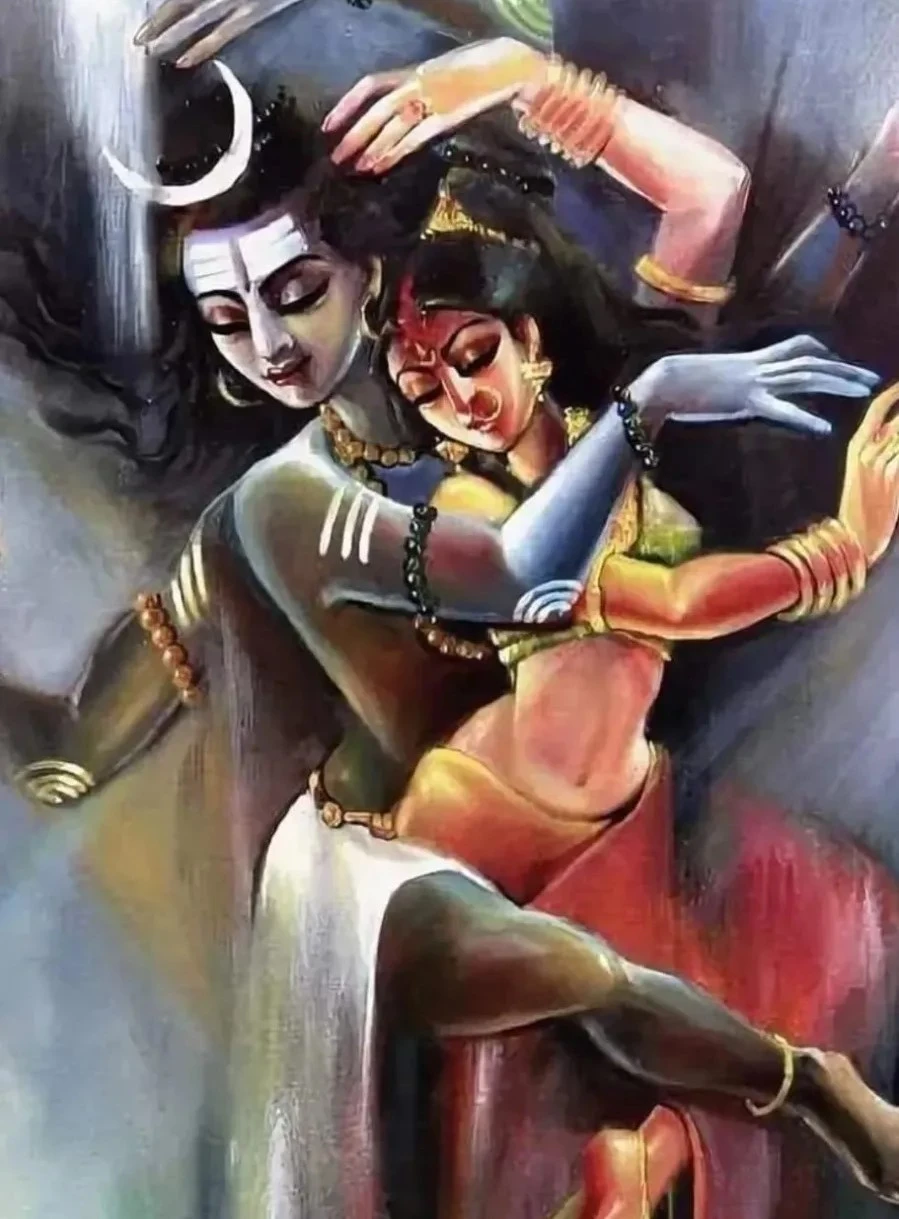

1. What is written in the Bhagwat Puran?
The shrimad devi bhagwat puran is a revered text in Hinduism that centers on the worship of the Divine Mother, emphasizing the power, compassion, and wisdom of the goddess in her many forms. Unlike other Puranas that may focus on Vishnu, Shiva, or other deities, the Devi Puran highlights Shakti as the ultimate force governing the universe. Its stories encompass divine creation, moral guidance, and spiritual evolution, offering readers both philosophical insight and practical guidance for daily life.
Authored in Sanskrit, the shrimad devi bhagwat puran is composed of twelve cantos, narrating the lives of gods, sages, demons, and devotees. It emphasizes dharma, the path of righteousness, through allegorical and narrative methods. Devotional practices, known as bhakti, are central to the text, illustrating how surrender to the goddess’s energy leads to liberation.
The shrimad devi bhagwat puran also incorporates rituals, hymns, and meditative practices. Shrimad devi bhagwat lyrics often accompany recitations, providing a spiritual rhythm that enhances the practitioner’s focus and devotion. These lyrics not only invoke the goddess’s presence but also serve as reminders of her teachings, helping devotees internalize the principles of compassion, courage, and selflessness.
By exploring the stories of divine battles, miracles, and boons, the Devi Puran inspires readers to cultivate virtues such as perseverance, devotion, and ethical living. It transcends mere mythology, serving as a practical guide to integrating spiritual practice into daily routines and personal growth.
2. Main Teachings of the Bhagavata Purana
The shrimad devi bhagwat puran conveys several core teachings, which form the foundation of spiritual practice for devotees. One of its primary messages is the recognition of Shakti—the divine feminine—as the source of all creation. Through devotion to the goddess, individuals learn to harmonize their own energies with cosmic forces, fostering inner strength and spiritual awareness.
The Devi Puran also emphasizes the importance of dharma, karma, and ethical living. Stories of sages and devotees illustrate how adherence to moral principles leads to spiritual progress, while neglecting dharma results in suffering. These narratives serve as both inspiration and caution, guiding practitioners in aligning their actions with spiritual goals.
Bhakti, or devotion, is another central teaching of the shrimad devi bhagwat puran. It is not merely ritualistic but encompasses deep emotional and spiritual engagement. Reciting shrimad devi bhagwat lyrics, performing rituals with sincerity, and meditating on the goddess’s forms cultivate a profound sense of connection with the divine, allowing devotees to experience peace, clarity, and liberation.
Furthermore, the text teaches the significance of knowledge (jnana) alongside devotion. Understanding the symbolic and philosophical meanings behind stories, rituals, and hymns strengthens one’s spiritual practice. It encourages seekers to explore the interconnectedness of life, the nature of the self, and the cosmic principles that govern existence.
Another important aspect is the empowerment of individuals through spiritual practice. The Devi Puran portrays the goddess as a protector, guide, and source of strength. By internalizing her qualities, devotees learn to overcome fear, ignorance, and attachment, cultivating courage, wisdom, and resilience. The teachings emphasize that spiritual growth is both personal and transformative, extending its benefits to the broader community.
3. Bhagwat Puran: Origin and Date
The origins of the shrimad devi bhagwat puran are rooted in the ancient oral traditions of India, later codified in written Sanskrit texts. Scholars date its compilation to the medieval period, around the 9th to 12th centuries CE, though its stories likely existed in oral form much earlier. The Devi Puran represents a synthesis of Vedic philosophy, folk traditions, and devotional literature, making it both historically significant and spiritually profound.
Unlike the Mahabharata or Vishnu-centric Puranas, the shrimad devi bhagwat puran emphasizes the primacy of the goddess in creation, protection, and destruction. This focus highlights the important role of the divine feminine in Hindu cosmology and underscores the cultural and theological shift towards Shakti worship during its composition.
The shrimad devi bhagwat puran has been widely studied and interpreted by scholars and practitioners alike. It continues to inspire devotional practices, festivals, and rituals across India and among the global Hindu diaspora. The text’s enduring relevance is seen in its integration into contemporary spiritual practices, meditation techniques, and cultural performances.
The written codification also allowed for standardized recitations, including shrimad devi bhagwat lyrics, which form the backbone of daily spiritual practice. These hymns preserve the poetic and philosophical essence of the Puran, allowing practitioners to connect with the goddess through sound, rhythm, and meaning.
4. Difference between the Bhagavad Gita and Bhagwat Puran
While the Bhagavad Gita and the shrimad devi bhagwat puran are both revered Hindu scriptures, they serve distinct purposes and convey different aspects of spiritual knowledge. The Bhagavad Gita, part of the Mahabharata, is primarily a philosophical discourse between Lord Krishna and Arjuna, focusing on dharma, karma, and the path of righteousness in the context of life and duty. Its teachings are universal, emphasizing ethical action, devotion, and knowledge as pathways to liberation.
In contrast, the shrimad devi bhagwat puran focuses on the worship of the goddess and the narratives of her divine exploits. While it contains philosophical elements, its primary purpose is devotional, offering guidance on rituals, hymns, and stories that celebrate Shakti’s power and benevolence. The Devi Puran is rich in mythological narratives, spiritual lessons, and practical guidelines for daily worship, emphasizing the emotional and experiential aspects of devotion.
Another key distinction is the audience and approach. The Bhagavad Gita is often studied as a philosophical text suitable for scholars, spiritual seekers, and those seeking guidance in ethical decision-making. The shrimad devi bhagwat puran, with its vivid narratives and shrimad devi bhagwat lyrics, is accessible to a broader audience, including children, lay devotees, and those seeking a devotional connection with the goddess.
Despite these differences, both texts complement each other in the broader Hindu spiritual landscape. The Bhagavad Gita provides a framework for understanding duty, morality, and knowledge, while the shrimad devi bhagwat puran enriches the spiritual experience through devotion, ritual, and engagement with divine stories. Together, they offer a holistic approach to spiritual practice, balancing knowledge and devotion, action and contemplation.
The contemporary relevance of the shrimad devi bhagwat puran lies in its ability to inspire individuals in their daily lives. By incorporating practices, stories, and hymns from the text, devotees cultivate mindfulness, resilience, and moral clarity. Spiritual practices inspired by this Puran help individuals navigate challenges, reduce stress, and foster a sense of connection with the divine, highlighting the practical benefits of ancient wisdom in modern contexts.

























Sign in to leave a comment.