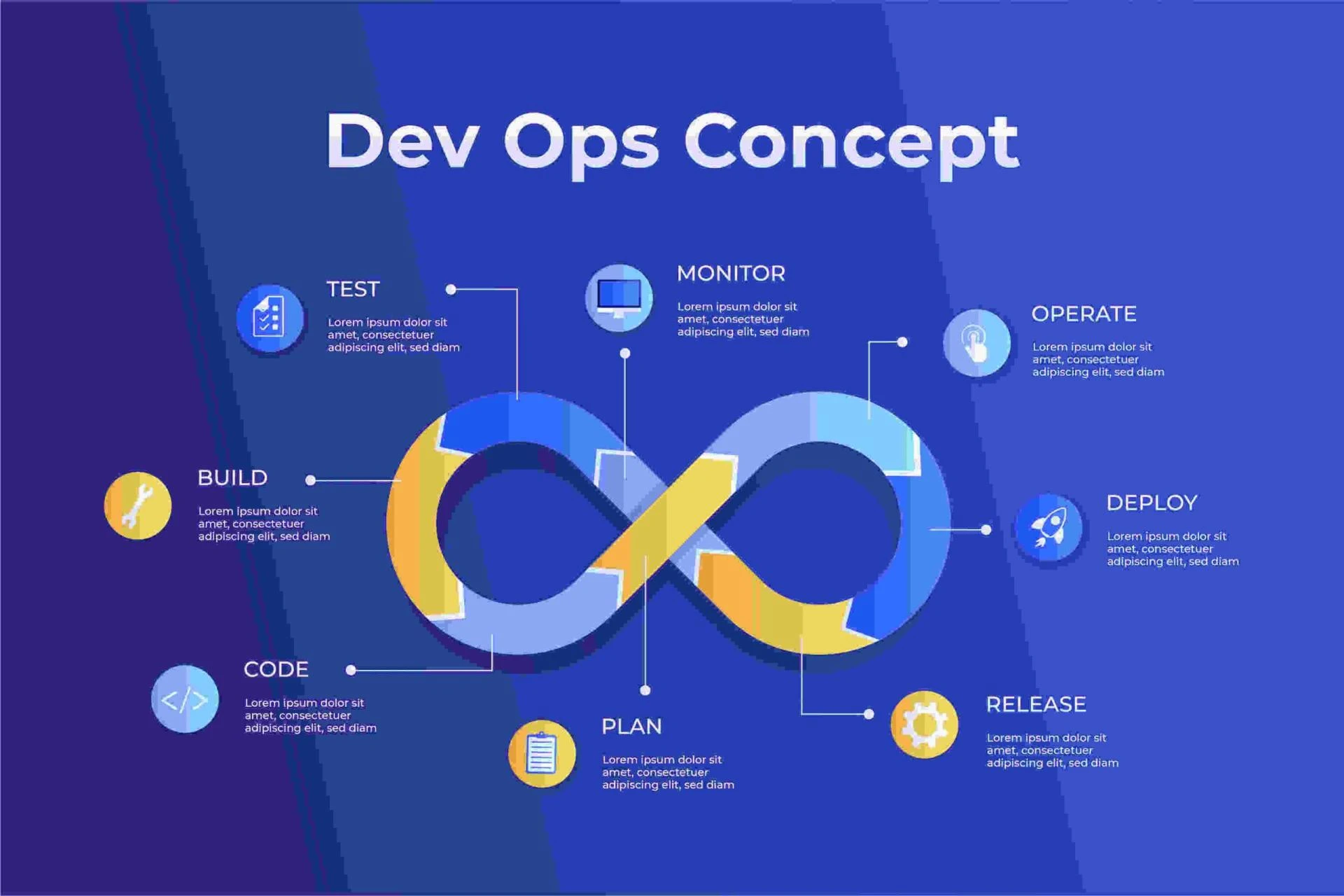

Hey there! Let\'s dive into a fascinating topic that\'s changing the landscape of IT: DevOps for Edge Computing. In today\'s world, data and workloads are increasingly moving closer to their source, thanks to edge computing. This shift brings both opportunities and challenges for DevOps practices. I\'ll walk you through how to adapt DevOps for edge environments, making it a smooth and efficient process.
The Convergence of DevOps and Edge Computing
What is Edge Computing?
Edge computing is all about processing data closer to where it is generated. Instead of sending everything to a central data center, edge computing handles data at or near the source. Think of self-driving cars, smart factories, and IoT devices—they need real-time data processing, and that\'s where edge computing shines.
Why is Edge Computing Important?
Edge computing reduces latency, saves bandwidth, and enhances data security. It’s crucial for applications requiring immediate responses, like autonomous vehicles or real-time analytics in manufacturing. According to Gartner, by 2025, 75% of enterprise-generated data will be created and processed outside a traditional centralized data center or cloud.
Key Considerations for DevOps in Edge Computing
Decentralized Infrastructure and Management
Managing decentralized infrastructure is no small feat. Unlike centralized systems, edge computing involves numerous nodes scattered across various locations. Each node could be a mini-data center or a simple device.
Deployment and Orchestration at the Edge
Deploying and orchestrating applications in edge environments is tricky due to the diversity of hardware and software.
Security and Compliance at the Edge
Security at the edge is paramount because data is processed closer to its source, often outside traditional security perimeters.
Topic | Challenge | Solution |
Decentralized Infrastructure and Management | Maintaining consistency across all nodes | Use infrastructure as code (IaC) tools like Terraform to automate setup and configuration. Use Kubernetes to manage containerized applications across these nodes. |
Deployment and Orchestration at the Edge | Handling varied environments and limited resources | Use lightweight orchestrators like K3s, a lightweight Kubernetes distribution, to manage deployments efficiently in resource-constrained environments. |
Security and Compliance at the Edge | Ensuring data protection and regulatory compliance | Implement zero-trust security models, use tools like Istio for service mesh and security, and perform regular audits to meet compliance requirements. |
Best Practices for DevOps at the Edge
Implementing DevOps for Edge Computing
Let\'s dive into how you can effectively implement DevOps practices in edge computing environments.
CI/CD Pipelines for Edge Deployments
Continuous Integration and Continuous Deployment (CI/CD) pipelines are essential for delivering updates efficiently.
Monitoring and Observability in Edge Environments
Monitoring applications at the edge ensures they run smoothly and helps detect issues early.
Managing Data and Workflows Across the Edge
Data management at the edge involves dealing with data flow between various nodes.
Topic | Challenge | Solution |
CI/CD Pipelines for Edge Deployments | Handling diverse and distributed nodes | Use GitOps with Git repositories as the source of truth for deployment configurations. Automate deployments with tools like ArgoCD. |
Monitoring and Observability in Edge Environments | Aggregating data from multiple sources | Use Prometheus for monitoring and Grafana for visualization to aggregate data from different nodes and provide a comprehensive view of edge infrastructure. |
Managing Data and Workflows Across the Edge | Ensuring efficient and reliable data flows | Use Apache Kafka for real-time data streaming and synchronization. Utilize Kubernetes Operators to automate complex workflows across edge nodes. |
The Role of DevOps Services Companies in Edge Computing
Leveraging Professional Expertise for Edge DevOps
Adapting DevOps for edge computing can be complex. This is where a DevOps services company comes in handy.
How a DevOps Services Company Can Simplify Edge Computing Challenges
- Challenge: Navigating the intricacies of edge computing.
- Solution: Partnering with a DevOps service provider experts can simplify this journey. They bring expertise in managing decentralized infrastructure, setting up CI/CD pipelines, and ensuring robust security measures. These professionals can tailor solutions to your specific needs, ensuring a seamless transition to edge computing.
Final Thoughts
Integrating DevOps with edge computing offers numerous benefits, from reduced latency to enhanced security. As edge computing continues to grow, adopting DevOps practices tailored for this environment becomes crucial. Remember, expert guidance can make this transition smoother and more effective. So, consider reaching out to a DevOps consulting company to help you navigate this exciting frontier.
Feel free to dive into edge computing with confidence and make the most out of your data and applications. Happy computing!
Frequently Asked Questions (FAQs)
1. What is Edge Computing and why is it important for DevOps?
Edge computing involves processing data closer to its source, rather than relying solely on centralized cloud servers. This reduces latency and improves real-time data handling. For DevOps, edge computing enables faster deployment and more efficient resource management, crucial for applications requiring immediate data processing.
2. How does DevOps enhance security in edge computing environments?
DevOps practices enhance security in edge computing by integrating automated security measures throughout the deployment process. This includes Infrastructure as Code (IaC) and continuous monitoring, ensuring that security protocols are consistently applied and updated across all edge devices and environments.
3. What are the challenges of deploying CI/CD pipelines in edge environments?
Deploying CI/CD pipelines in edge environments presents challenges such as network instability, diverse hardware configurations, and limited resources. Overcoming these requires robust automation tools, edge-compatible orchestration platforms, and strategies tailored for decentralized infrastructures to maintain seamless integration and deployment.
4. How can data management be optimized in edge computing?
Data management in edge computing can be optimized using containerization, microservices architecture, and advanced analytics. These practices allow efficient data processing, real-time analysis, and streamlined data flow across edge nodes, ensuring that critical data is processed locally while non-critical data is sent to central systems for further analysis.
5. What role do DevOps service providers play in edge computing?
DevOps service providers play a vital role in navigating the complexities of edge computing. They offer expertise in infrastructure management, security, and continuous integration practices. Leveraging their services ensures that organizations can effectively manage and secure their edge environments, improving overall operational efficiency and reducing risks.











Sign in to leave a comment.