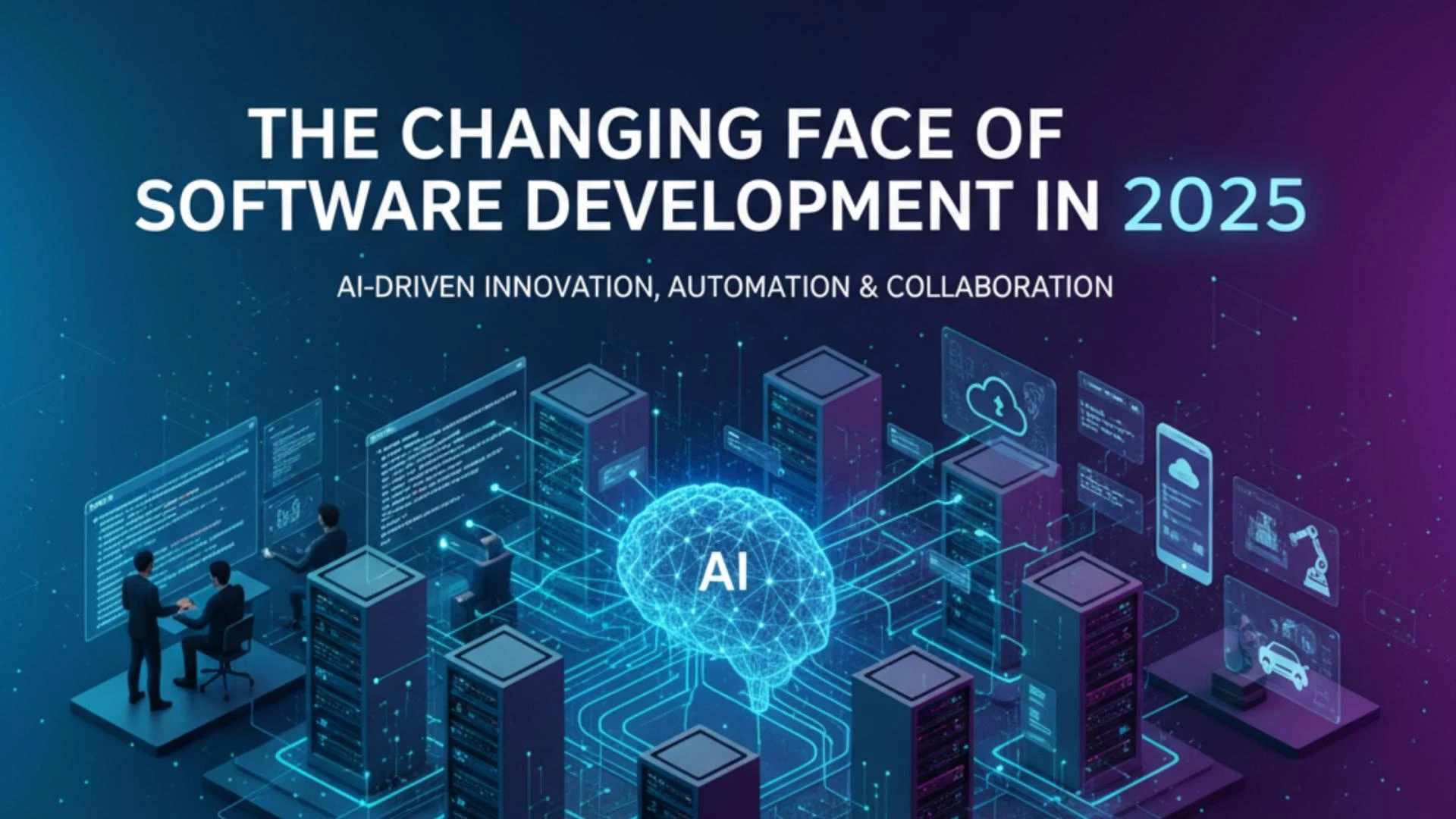
The software development world continues to evolve in measured but meaningful ways. The pace of innovation is steady, and the focus is shifting from radical disruption to refinement, integration, and collaboration. Developers today are not just writing code; they are working with intelligent tools, hybrid systems, and evolving frameworks that make development both more efficient and more complex.
Below is an overview of what is shaping the software development industry in 2025.
1. The Rise of Autonomous AI in Development
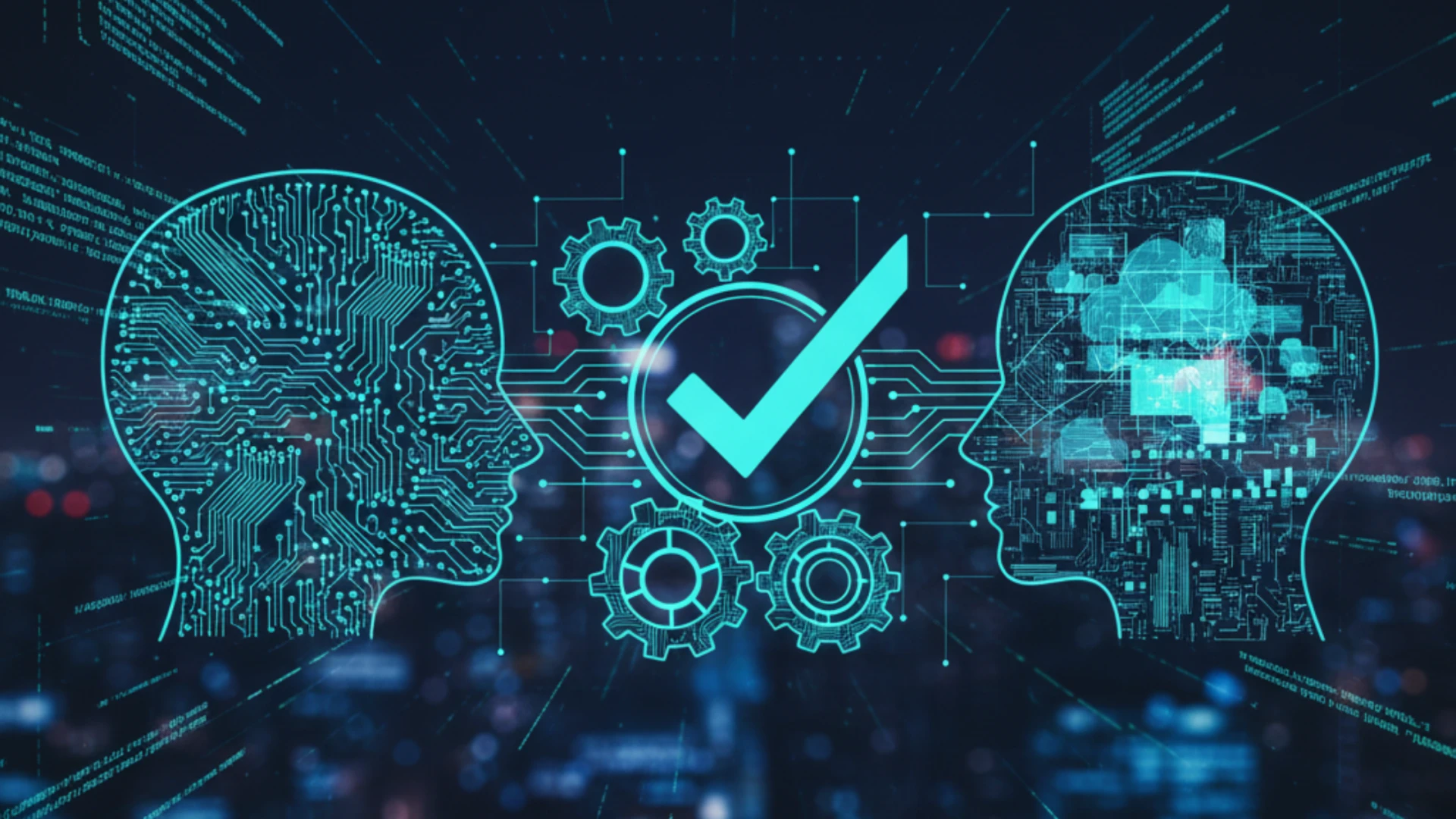
Artificial intelligence is becoming an active participant in the software creation process. In earlier years, AI was used mainly for code suggestions or debugging. Today, new AI systems act as semi-autonomous agents capable of managing end-to-end workflows such as generating test cases, building small modules, and optimizing performance.
AI-powered tools now plan and execute development tasks with minimal human direction. Developers have shifted from simple coding to supervising AI outputs and maintaining code quality. Open source models like Qwen3 Coder and new interoperability standards such as the Model Context Protocol are making AI assistance more powerful and collaborative.
Rather than replacing human creativity, AI is enhancing the developer’s ability to focus on logic, design, and innovation.
2. Integration of Low-Code, No-Code, and Traditional Development
Low-code and no-code platforms have gained serious traction. Initially seen as tools for simple prototypes, these platforms now support enterprise-grade applications, integrations, and workflows. Businesses are adopting a blended approach where developers use low-code tools for faster deployment and traditional coding for high-performance components.
This hybrid model allows faster time-to-market without compromising functionality. It also opens the door for non-developers to participate in building internal tools and automation. As a result, governance, modular design, and version control have become critical to maintaining quality.
3. Platform Engineering and Internal Developer Platforms
Modern software teams face tool overload and infrastructure complexity. To manage this, companies are turning toward platform engineering and building internal developer platforms (IDPs). These platforms create a unified environment where developers can build, test, and deploy applications without dealing with setup or integration issues.
By abstracting complexity, platform engineering improves consistency across teams, shortens onboarding time, and reduces friction in workflows. The concept has grown beyond DevOps to include self-service environments and automated infrastructure provisioning. In 2025, organizations with mature internal platforms are finding themselves better equipped for large-scale projects.
4. Edge Computing and Distributed Architectures
Applications that rely on real-time data and responsiveness are driving the adoption of edge computing. Instead of processing everything in centralized servers, computation now happens closer to the data source. This is especially useful for Internet of Things devices, augmented reality applications, and autonomous systems.
Distributed architectures are becoming the norm, reducing latency and improving scalability. New frameworks are designed to handle offline data synchronization and partial connectivity. The software ecosystem is moving toward modular systems that can adapt to changing network conditions and device capabilities.
5. Security by Design and Continuous Vigilance
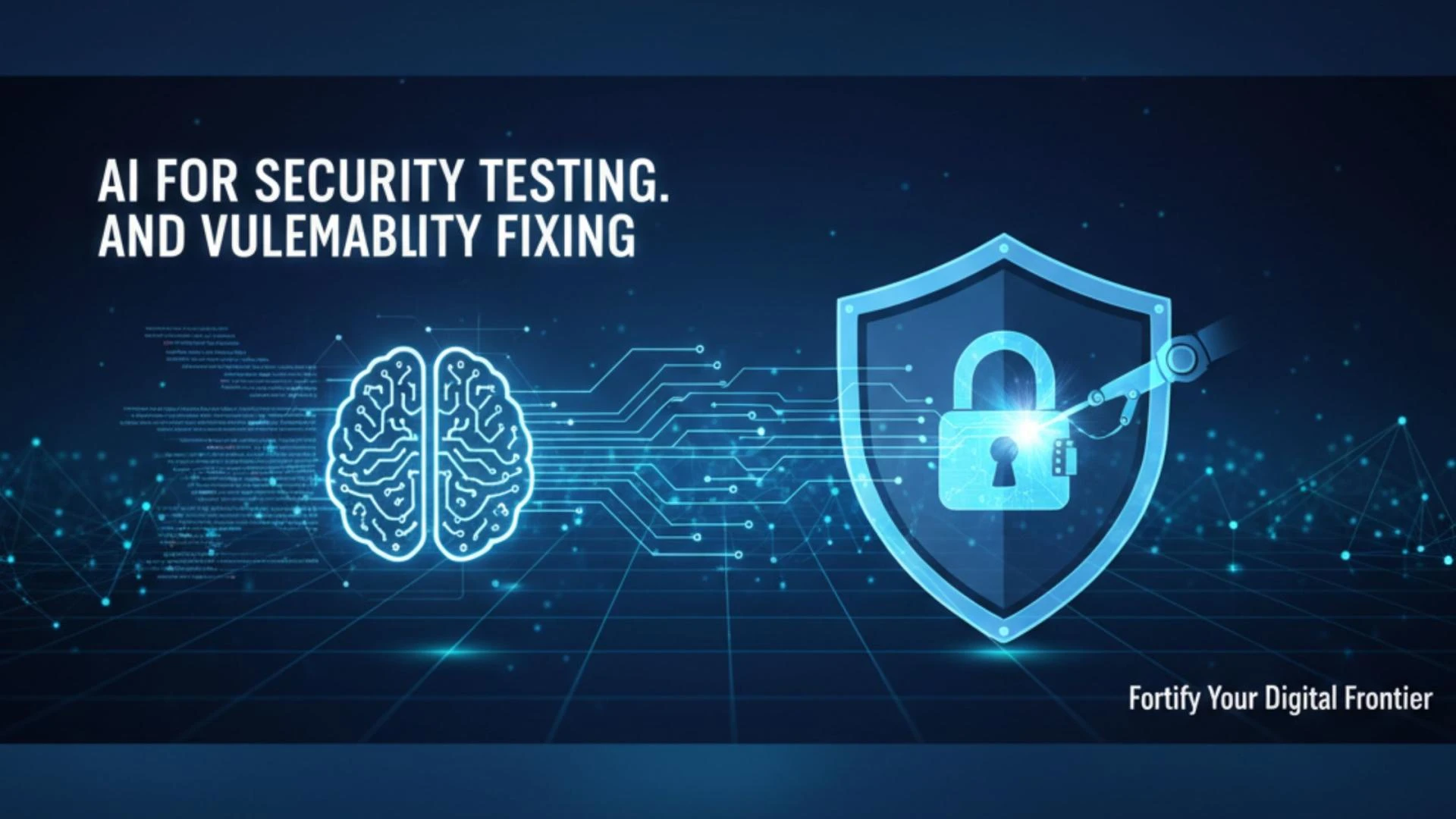
As software becomes more interconnected and AI-generated code becomes common, security has taken center stage. The old approach of securing systems after development is fading. Modern teams are embedding security checks, vulnerability scans, and compliance validations directly into development pipelines.
This approach, known as DevSecOps, ensures that software remains secure from the first line of code to deployment. However, AI-generated code brings new challenges. Subtle flaws or unverified libraries can lead to security risks that are harder to detect. Developers must now be both creators and auditors, ensuring that AI suggestions align with compliance and data protection requirements.
6. Developer Experience and Observability
The developer experience, often called DevEx, has become an essential focus. Companies are realizing that efficient developers lead to faster innovation and fewer errors. Tools are becoming more intuitive, documentation is clearer, and systems are designed with built-in observability.
Observability, which once applied mainly to production systems, is now a part of development. Developers can trace system behavior early, analyze performance, and catch problems before release. The goal is to make development environments smoother, more transparent, and less frustrating.
7. Quantum and Post-Quantum Computing Preparation
Quantum computing is still in its early stages, but its influence is growing. Organizations are beginning to explore hybrid models that combine classical and quantum processing for specific use cases like optimization and encryption.
At the same time, post-quantum cryptography is becoming a serious consideration. Developers are preparing for a future where current encryption standards may become obsolete. This preparation is leading to the creation of more secure algorithms and protocols designed to withstand quantum-based attacks.
8. Sustainable and Energy-Aware Software
Sustainability has entered the world of software engineering. Developers are paying closer attention to the energy consumption of applications and the carbon footprint of cloud computing. Efficient code, optimized algorithms, and reduced resource usage are now seen as essential qualities, not just performance improvements.
Companies are adopting green software principles to align with environmental goals and to make large-scale systems more efficient. Even minor improvements in processing efficiency can significantly reduce energy waste when scaled across millions of users.
9. Modernization of Legacy Systems
Many organizations still rely on outdated systems that are expensive and hard to maintain. Instead of replacing them entirely, modern tools and AI are helping to update these systems gradually. AI-assisted refactoring, code translation, and migration tools make it easier to connect old architectures with new technologies.
This approach minimizes downtime and reduces costs, allowing companies to modernize step by step. By wrapping legacy systems with APIs or containerizing them, organizations extend their lifespan while making them compatible with modern infrastructure.
10. Challenges Ahead
Despite these advancements, developers still face challenges that require balance and judgment. Trusting AI-generated code remains a concern due to the potential for hidden bugs. Choosing the right tools from an overwhelming number of options can be difficult. Maintaining governance when non-developers contribute through low-code platforms requires discipline.
There are also new responsibilities surrounding ethics, transparency, and regulation as AI agents become more capable. Ensuring accountability in automated systems will remain a key concern in the years ahead.
Conclusion
The software development world of 2025 is defined by steady evolution rather than sudden transformation. Artificial intelligence, automation, and distributed systems are creating a more connected and efficient environment. Developers are no longer isolated coders but collaborators in a system where tools, platforms, and AI all play an active role.
The focus is shifting from merely building software to improving how software is built, maintained, and secured. As these trends mature, the industry continues to move toward a future where development is more intelligent, inclusive, and sustainable.




























Sign in to leave a comment.