
Introduction
Controlling moisture is essential in many industrial, commercial, and environmental applications. Excess humidity can lead to corrosion, equipment damage, product spoilage, and reduced operational efficiency. To prevent these issues, organizations rely on accurate instruments that can monitor moisture levels and provide reliable environmental data.
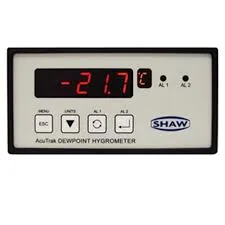
One of the most widely used instruments for this purpose is the dewpoint hygrometer. These devices are designed to measure humidity and determine the dew point temperature of air or gases. By providing accurate moisture information, dewpoint hygrometers help industries maintain product quality, protect equipment, and improve process efficiency.
What Is a Dewpoint Hygrometer?
A dewpoint hygrometer is a measuring instrument used to determine the moisture content in air or gas by calculating the dew point temperature. Dew point is the temperature at which water vapor begins to condense into liquid when air is cooled under constant pressure.
Because dew point directly reflects the amount of moisture present in the atmosphere, it is considered one of the most reliable indicators of humidity conditions. Dewpoint hygrometers are commonly used in industrial facilities, laboratories, HVAC systems, and environmental monitoring applications.
These instruments may be portable for field measurements or permanently installed for continuous monitoring.
How a Dewpoint Hygrometer Works
A dewpoint hygrometer measures environmental conditions using advanced sensor technology. The device analyzes moisture levels in the air or gas sample and calculates the temperature at which condensation would occur.
Modern hygrometers often use electronic sensors that provide real-time measurements with high accuracy. Some instruments also measure additional parameters such as relative humidity, temperature, and moisture concentration, giving users a comprehensive view of environmental conditions.
The collected data can be displayed directly on the instrument screen or transmitted to monitoring systems for continuous analysis.
Why Dew Point Measurement Is Important
Monitoring dew point is important because moisture can significantly affect industrial processes and equipment performance.
When humidity levels become too high, condensation may form inside machinery, pipelines, and storage systems. This can lead to corrosion, contamination, and reduced equipment lifespan. In sensitive manufacturing environments, excessive moisture may also affect product quality and consistency.
Dewpoint hygrometers help identify potential moisture-related risks before condensation occurs, allowing operators to take preventive action and maintain optimal environmental conditions.
Common Applications of Dewpoint Hygrometers
Dewpoint hygrometers are used in a variety of industries where moisture control is critical.
Compressed Air Systems
Compressed air systems require low moisture levels to prevent corrosion and protect pneumatic equipment. Dewpoint monitoring helps ensure proper air quality and system performance.
HVAC Systems
Heating, ventilation, and air conditioning professionals use hygrometers to monitor indoor air quality and maintain comfortable humidity levels.
Pharmaceutical Manufacturing
Controlled environmental conditions are essential for pharmaceutical production and storage. Moisture monitoring helps maintain product stability and quality.
Food Processing and Storage
Humidity management plays an important role in preserving food quality and extending shelf life.
Industrial Gas Applications
Many industrial gases must remain dry to maintain purity and prevent operational problems within pipelines and processing systems.
Features of Modern Dewpoint Hygrometers
Advancements in sensor technology have improved the capabilities of modern dewpoint hygrometers.
High Measurement Accuracy
Modern instruments provide precise readings that support reliable moisture analysis.
Fast Response Time
Advanced sensors deliver rapid measurements, allowing users to evaluate conditions quickly.
Digital Display Systems
Clear displays make it easy to read and interpret measurement results.
Data Logging Functions
Many devices can store measurement data for reporting, trend analysis, and compliance purposes.
Portable and Fixed Options
Users can choose between handheld instruments for fieldwork and fixed systems for continuous monitoring.
Benefits of Using Dewpoint Hygrometers
Organizations that use dewpoint hygrometers gain several practical advantages.
Equipment Protection
Accurate moisture monitoring helps prevent corrosion and condensation-related damage.
Improved Product Quality
Stable environmental conditions support consistent manufacturing and storage processes.
Reduced Maintenance Costs
Early detection of moisture issues can reduce repair expenses and minimize downtime.
Better Process Control
Reliable moisture data allows operators to optimize environmental conditions and improve efficiency.
Selecting the Right Dewpoint Hygrometer
Choosing the appropriate instrument depends on the intended application and operating environment.
Factors to consider include measurement range, accuracy requirements, response speed, durability, and portability. Some users may also require advanced features such as data logging, digital communication, or integration with monitoring systems.
Understanding operational needs can help ensure the selected hygrometer provides reliable performance and long-term value.
Best Practices for Accurate Measurements
To maintain measurement accuracy, dewpoint hygrometers should be calibrated regularly according to manufacturer recommendations. Proper handling and storage help protect sensitive sensors from contamination and damage.
Routine inspections and maintenance can also extend instrument lifespan and ensure dependable performance over time.
Conclusion
Dewpoint hygrometers are valuable instruments for measuring moisture levels and maintaining environmental control across a wide range of industries. Their ability to provide accurate dew point information helps organizations protect equipment, improve product quality, and enhance operational efficiency.
As industries continue to prioritize reliability and precision, dewpoint hygrometers remain essential tools for effective moisture monitoring and environmental management.






















Sign in to leave a comment.