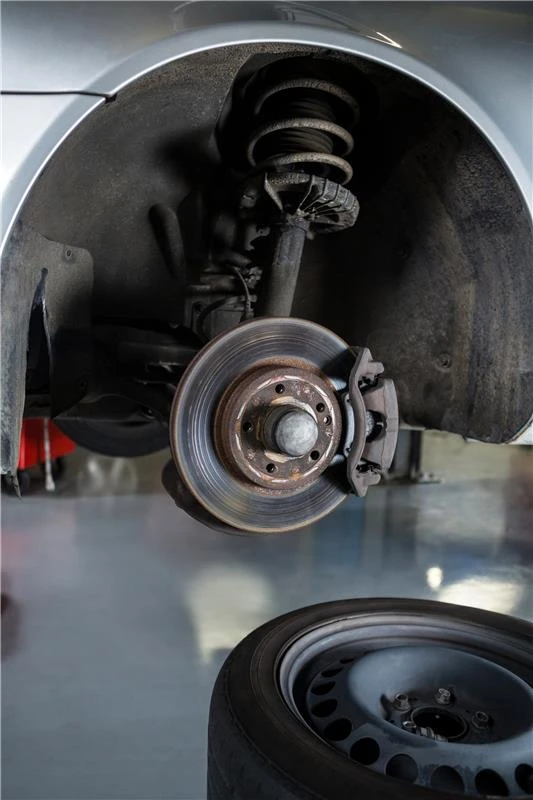

When it comes to maintaining your Pontiac, one of the most important systems to keep in top condition is the suspension. The front suspension of your Pontiac plays a critical role in ensuring your car handles well, stays stable, and provides a comfortable ride. Over time, the Pontiac front suspension can develop issues due to wear and tear, driving conditions, or improper maintenance. If you're experiencing unusual sounds or poor handling, diagnosing and fixing common front suspension problems becomes essential.
In this article, we’ll guide you on how to diagnose and fix common issues with Pontiac front suspension. Additionally, we’ll discuss where to find Pontiac auto parts for your repairs, especially if you're seeking a trusted dealer for quality replacement parts.
What is the Pontiac Front Suspension?
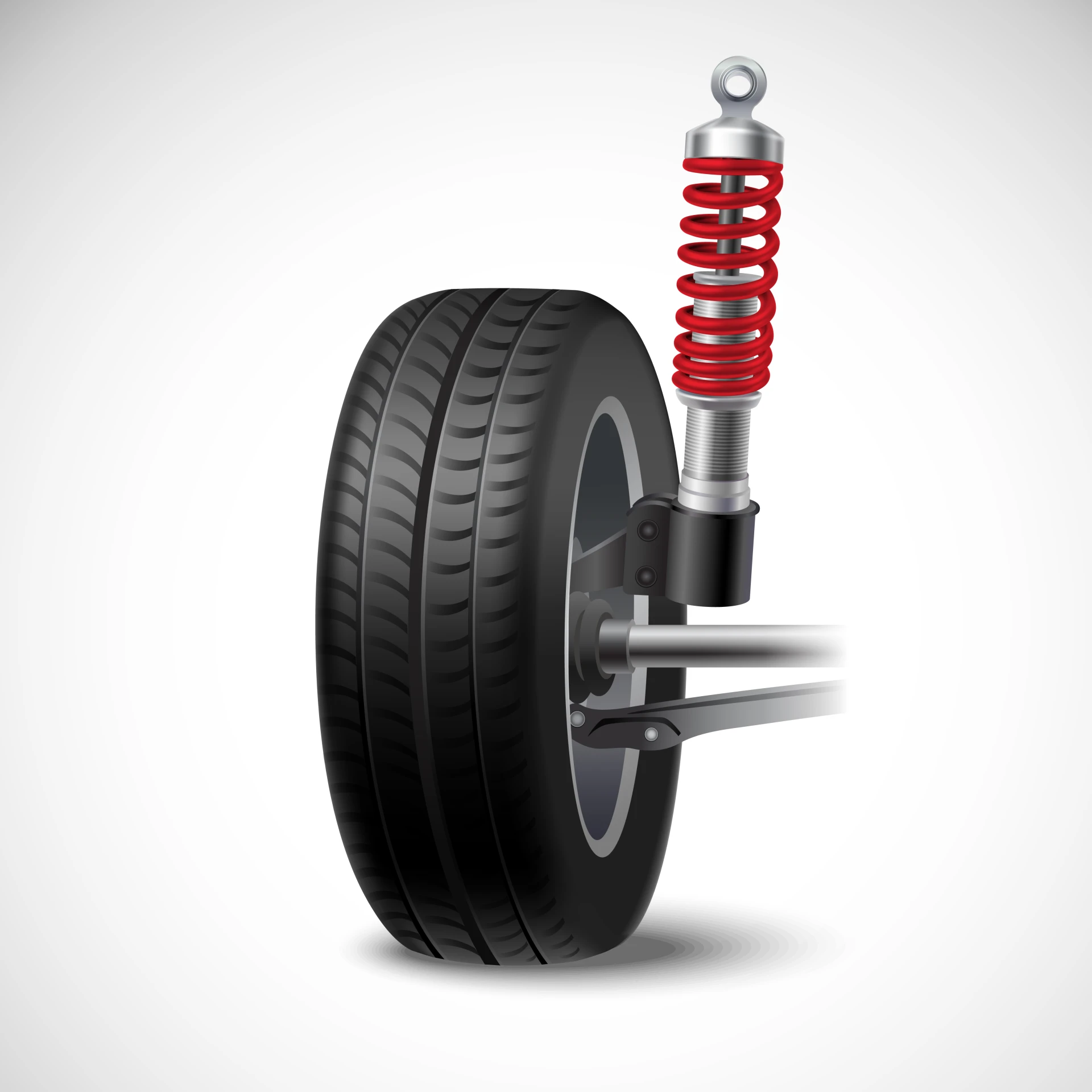
The front suspension of a vehicle is the system of components that connects the vehicle’s body to the front wheels. It absorbs shocks, helps in steering, and ensures that the car remains stable even when driving on rough roads. In Pontiacs, the front suspension typically includes parts such as the struts, control arms, ball joints, steering rack, and sway bars.
As with any system in your car, these components are subject to wear and tear, especially after thousands of miles of driving. Common issues arise when one or more of these parts become damaged or worn out. Regular maintenance and prompt repairs are crucial for ensuring safety and performance.
Symptoms of Front Suspension Issues
Before delving into diagnosing and fixing the problems with your Pontiac front suspension, it’s important to identify the symptoms that indicate something may be wrong. Some of the most common signs include:
1. Uneven Tire Wear
Uneven tire wear is often one of the first signs that your suspension system is having issues. If the suspension components, such as the struts or control arms, are worn out, they can cause the tires to wear unevenly. This can lead to reduced traction, poor handling, and the need for premature tire replacement.
2. Steering Wheel Vibration
If your steering wheel vibrates or shakes when driving, especially at higher speeds, it could be a sign of a problem with the suspension. Worn-out suspension parts, such as the control arms or tie rods, can affect the alignment of your car, leading to steering issues.
3. Noise While Driving
A common symptom of suspension issues is noise. If you hear clunking, popping, or squeaking sounds when driving over bumps or making turns, this could indicate problems with components like the ball joints, sway bar links, or struts. These noises may worsen as the suspension components continue to degrade.
4. Car Pulling to One Side
If your Pontiac pulls to one side while driving straight, it’s likely that there’s an issue with the suspension or alignment. Worn-out suspension parts or uneven wear on the tires can cause the vehicle to pull to one side, making driving unsafe.
5. Bouncing or Rough Ride
A bouncy or rough ride, even on smooth roads, is another sign of suspension trouble. If your car seems to bounce excessively or feels too stiff, the shocks or struts might be worn out. This affects your ability to maintain control over the vehicle, especially during sharp turns or emergency maneuvers.
Now that you know what symptoms to watch out for, let’s move on to diagnosing the exact issue with your Pontiac front suspension.
Diagnosing Pontiac Front Suspension Problems
Diagnosing suspension issues involves inspecting various components for wear and damage. Below are some steps you can follow to diagnose common problems with your Pontiac front suspension.
Step 1: Visual Inspection
Start by visually inspecting the suspension components. Look for any visible damage, such as cracked rubber bushings, broken components, or leaking fluid from the shocks or struts. Pay close attention to the following:
- Control Arms and Ball Joints: Look for signs of wear, such as cracked or broken bushings, which can cause a misalignment.
- Shocks and Struts: Check for leaks. Shocks or struts that are leaking fluid are no longer effective and should be replaced.
- Tie Rods and Steering Rack: Inspect the tie rods for excessive play or damage. If the steering rack is damaged, it can affect steering responsiveness.
- Sway Bar Links: Look for loose or broken sway bar links that can result in a noisy or unstable ride.
Step 2: Check for Worn Components
Perform a more detailed check by lifting the vehicle using a jack and placing it on jack stands for safety. Once the vehicle is lifted, grab the tire and try to move it from side to side, top to bottom. If you notice any excessive play, it indicates worn-out ball joints, control arm bushings, or tie rod ends.
Next, check the struts or shocks by pushing down on the front of the vehicle. If it bounces back up multiple times, this is an indication that the shocks are worn out and no longer providing adequate damping.
Step 3: Alignment Check
Misaligned wheels can also contribute to issues with the suspension. If you notice that your Pontiac pulls to one side, or if your steering wheel is off-center when driving straight, it's likely that the suspension needs to be aligned. A proper alignment will ensure that the tires wear evenly and that the car handles as expected.
Step 4: Suspension Tests
There are a few tests you can perform to check the performance of your suspension system. For example, bounce testing can help determine if your shocks or struts are working properly. Press down on the front of the car and release it quickly. If the vehicle bounces more than once, it’s a sign that the struts or shocks need replacement.
Common Pontiac Front Suspension Issues and How to Fix Them
Once you've diagnosed the issue, it’s time to consider your options for fixing the problem. Below are some of the most common issues with Pontiac front suspension systems and how to address them.
1. Worn-Out Shocks or Struts
Shocks and struts are responsible for absorbing the impacts from road bumps. Over time, they can wear out, leading to poor handling, increased bounce, and a rough ride. To fix this issue, you’ll need to replace the worn-out shocks or struts.
How to fix it:
- Purchase new shocks or struts from a trusted Pontiac auto parts dealer like Bop Parts.
- Lift the vehicle and remove the old shocks or struts.
- Install the new components, ensuring they are securely attached.
- Reassemble the suspension and lower the vehicle.
2. Damaged Control Arms
Control arms are essential for holding the wheel in place while allowing it to move up and down. If the control arm bushings or ball joints are damaged, it can cause a range of issues, including poor handling and misalignment.
How to fix it:
- If the control arms are damaged, replacing them will resolve the issue. It's important to use high-quality Pontiac auto parts to ensure longevity.
- Follow the steps for removing and replacing control arms, ensuring that all fasteners are tightened to specification.
3. Broken or Worn Ball Joints
Ball joints are critical for allowing the wheels to move smoothly while maintaining alignment. If they wear out, you may experience steering issues, excessive tire wear, or even a dangerous loss of control.
How to fix it:
- If your ball joints are worn or broken, they must be replaced immediately.
- To replace them, lift the vehicle, remove the wheel, and detach the ball joint from the control arm. Install the new joint and secure it with the proper fasteners.
4. Worn Tie Rods
Tie rods are responsible for connecting the steering rack to the wheels. If they wear out, the vehicle’s steering will become loose or unresponsive.
How to fix it:
- Replace the worn tie rods by loosening the steering rack and removing the old tie rods.
- Install the new tie rods and check the alignment of your wheels.
5. Sway Bar Link Problems
A faulty sway bar link can cause excessive noise and handling problems, especially when driving over bumps or turning.
How to fix it:
- If the sway bar link is loose or broken, replace it by detaching it from the sway bar and the control arm.
- Install the new sway bar link and ensure everything is tightened properly.
Finding Quality Pontiac Auto Parts
When fixing suspension issues, it's crucial to use high-quality Pontiac auto parts. Bop Parts is a trusted online dealer for Pontiac parts, offering a wide selection of OEM and aftermarket suspension components. Whether you need shocks, struts, control arms, ball joints, or any other suspension parts, Bop Parts provides reliable options at competitive prices.
Why Choose Bop Parts?
- Wide Selection: Bop Parts offers a wide range of Pontiac auto parts, ensuring you can find everything you need for your suspension repairs.
- Quality Assurance: All parts are tested for quality and durability, so you can trust them to perform well over time.
- Competitive Prices: Get affordable prices on Pontiac car parts without compromising on quality.
- Convenience: Shop online and have your parts delivered directly to your door.
Conclusion
Diagnosing and fixing issues with the Pontiac front suspension is essential for maintaining your vehicle’s safety and performance. By recognizing common symptoms like uneven tire wear, vibration, or noise, you can pinpoint the issue and take the necessary steps to repair it. Whether you're replacing worn-out shocks or control arms, using quality Pontiac auto parts will ensure that your repairs last longer and your car performs at its best.
For the best Pontiac auto parts, turn to Bop Parts. Their wide selection, competitive pricing, and reliable service make them a top choice for all your Pontiac car part needs. Don’t wait for the problem to worsen—address your Pontiac front suspension issues today and get back on the road with confidence.





























Sign in to leave a comment.