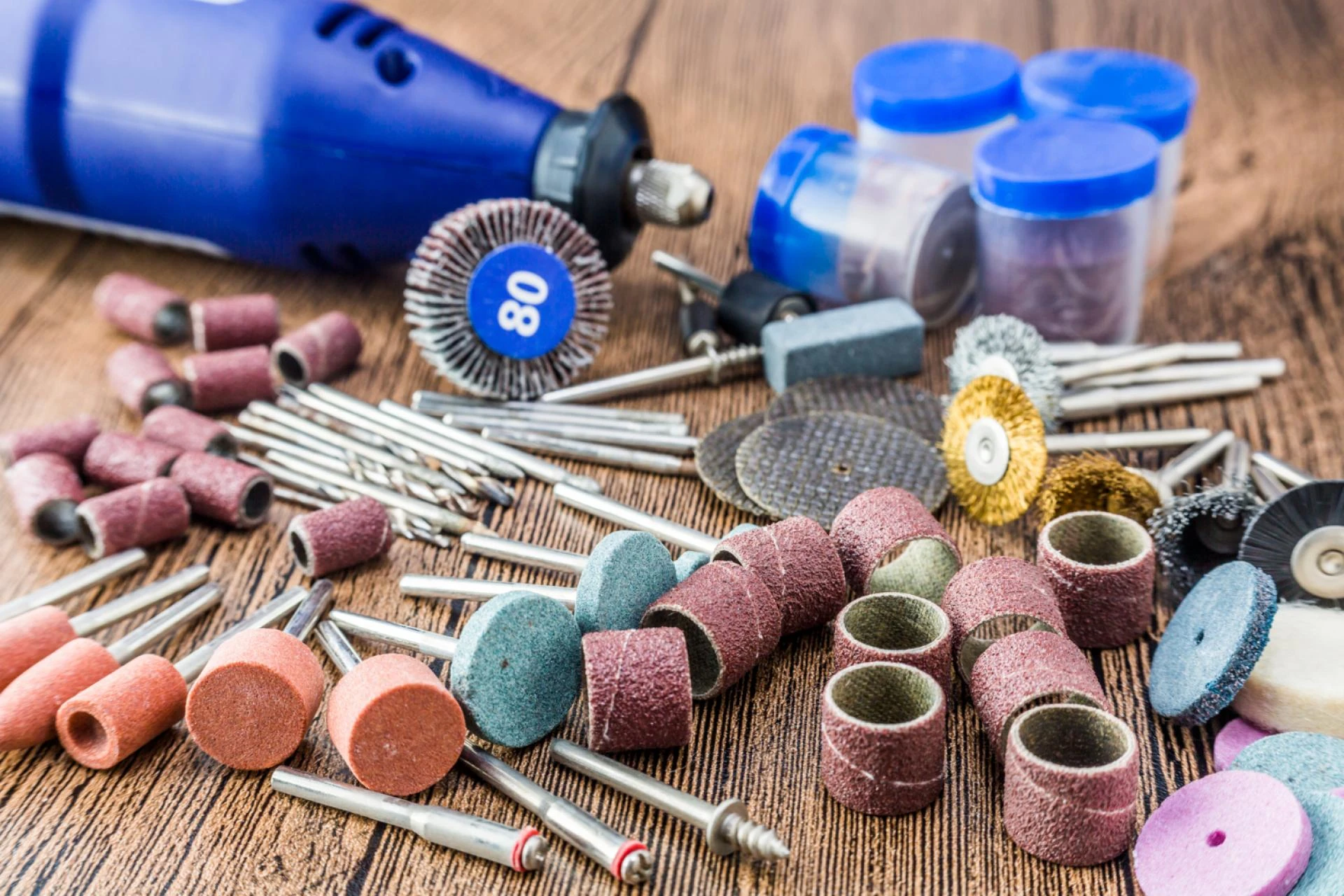

Routing is a critical step in PCB manufacturing. Whether you are defining board outlines, cutting slots, or depanelizing panels, the router bit you choose directly affects cut quality, tool life, and overall yield. Two of the most commonly used routing styles in PCB fabrication are diamond-cut router bits and chipbreaker router bits. While both remove material efficiently, they are designed for different priorities and operating conditions.
At Midwest Circuit Technology, we regularly help manufacturers decide which routing solution best fits their production goals. Understanding how these tools differ—and when to use each—can prevent unnecessary wear, reduce defects, and improve consistency across high-volume runs.
Understanding Diamond-Cut Router Bits
Diamond-cut router bits are designed with a fine, abrasive-style cutting edge pattern that grinds through material rather than slicing it aggressively. This design creates extremely smooth edges and minimizes burrs, making it a preferred choice for applications where finish quality is critical.
In PCB manufacturing, diamond cut routers are often used when:
- Clean edge quality is a top priority
- Delamination risk must be minimized
- Thin or fragile laminates are being machined
The grinding action distributes cutting forces more evenly, reducing stress on the board material. This can be especially beneficial when working with multilayer boards or designs that require precise edge integrity.
Benefits of Diamond-Cut Router Bits
Diamond-cut designs offer several advantages:
- Excellent surface finish
- Reduced edge fraying
- Lower vibration during cutting
- Improved dimensional consistency
Because of their controlled cutting action, these router bits are well-suited for applications where appearance and precision matter as much as speed.
However, the same characteristics that produce a smooth finish can limit material removal rates. Diamond-cut tools generally operate at more conservative feed rates, which may not be ideal for every high-volume application.
Understanding Chipbreaker Router Bits
Chipbreaker router bits are designed to aggressively break chips into smaller segments during cutting. Their geometry allows material to be removed quickly while preventing long, stringy chips from building up around the tool.
In PCB manufacturing, chipbreaker router bits are commonly used when:
- Higher feed rates are required
- Thick or abrasive materials are involved
- Productivity and throughput are top priorities
By breaking chips efficiently, these tools help maintain stable cutting conditions and reduce heat buildup in longer routing passes.
Benefits of Chipbreaker Router Bits
Chipbreaker designs provide clear advantages in demanding production environments:
- Faster material removal
- Improved chip evacuation
- Reduced heat accumulation
- Better performance in thicker panels
For manufacturers focused on speed and efficiency, chipbreaker router bits often deliver longer tool life under aggressive cutting conditions.
The trade-off is edge finish. While still precise, chipbreaker tools may not produce the same ultra-smooth edges as diamond-cut designs, especially on delicate materials.
Accuracy vs. Throughput: Choosing Based on Priorities
The decision between diamond-cut and chipbreaker router bits often comes down to production priorities.
Choose diamond cut routers if:
- Edge quality is critical
- Boards require minimal post-processing
- You are machining delicate or thin laminates
Choose chipbreaker router bits if:
- High throughput is essential
- Panels are thicker or more abrasive
- Production runs are long and continuous
In many PCB shops, both tool types are used strategically depending on the operation.
Tool Life and Wear Considerations
Tool wear behaves differently between these two designs. Diamond-cut router bits tend to wear gradually, maintaining consistent performance over time. Chipbreaker router bits may experience more localized wear due to their aggressive cutting action but often last longer in high-feed applications.
Monitoring wear patterns and replacing tools proactively helps avoid sudden failures and protects board quality.
Machine Compatibility and Setup
Machine stability, spindle speed, and fixturing all influence router bit performance. Diamond-cut tools benefit from stable, vibration-free setups, while chipbreaker tools require sufficient chip evacuation and rigid panel support.
Maintaining reliable machine components and compatible accessories—often discussed alongside broader tooling categories like lpkf tools t tech tools—ensures that routing operations remain consistent and repeatable. While tool design matters, the supporting system plays an equally important role.
Using the Right Tool at the Right Stage
In practice, many manufacturers use both router types within the same production workflow. For example:
- Chipbreaker router bits for rough routing and bulk material removal
- Diamond-cut router bits for finishing passes or final board separation
This hybrid approach balances speed with precision and maximizes overall efficiency.
The Midwest Circuit Technology Approach
At Midwest Circuit Technology, we focus on providing routing solutions tailored to real-world PCB manufacturing conditions. Rather than promoting a one-size-fits-all approach, we help manufacturers align tool selection with material type, production volume, and quality requirements.
Whether your priority is flawless edge finish or maximum throughput, choosing the right router bit—and using it correctly—makes a measurable difference.
Final Thoughts
Diamond-cut and chipbreaker router bits each serve a distinct purpose in PCB manufacturing. Diamond-cut designs excel in precision and edge quality, while chipbreaker tools deliver speed and efficiency in high-volume environments. Understanding these differences allows manufacturers to make informed tooling decisions that improve yield, reduce waste, and control costs.
By matching the tool to the task and maintaining stable machining conditions, routing becomes a predictable, high-performing process rather than a bottleneck. With the right approach and the right tooling partner, consistent results are well within reach.
Sign in to leave a comment.