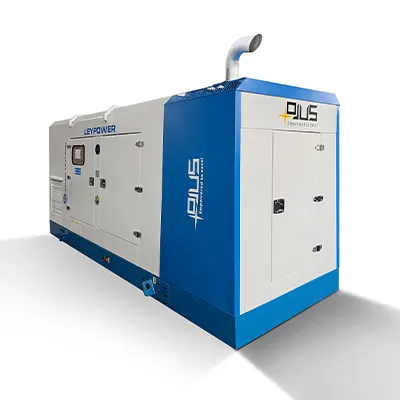

The diesel engine generator consists of the kVA rating, engine type, emissions, enclosure, and duty cycle rating. All these elements determine the way a diesel engine generator operates.
The diesel engine generator converts the mechanical energy generated by the diesel engine to electricity using an alternator. The units may have a similar exterior design, but the specification of a diesel engine generator differs significantly based on the engine design, control system, and usage of the unit. It makes understanding key factors easy when analyzing the specification of generators of different manufacturers.
1. Power Rating (kVA) and Load Capacity
The kVA rating of a genset generator indicates the maximum apparent power it can supply. This figure is derived from the connected electrical load, including motor starting current, lighting, and other equipment running simultaneously.
- kVA rating is calculated from total connected load, not just running load
- Power factor (kW/kVA ratio) affects how the rated capacity translates to usable output
- Generators are available across a wide range of ratings, from small portable units to large industrial diesel power generator systems
2. Engine Configuration and Cooling System
The design of the internal combustion system within the diesel engine generator has an impact on its ability to handle continual use.
- Water cooled and air cooled designs control engine temperature in different ways.
- Engine speed (1500 RPM for 50Hz) is a common specification for stationary diesel engine generator systems.
- Engine manufacturer and cylinder count are provided along with kVA on the technical specifications sheet.
3. Emission Compliance (CPCB IV+)
Effective from July 2023, new gensets that use diesel fuel produced or marketed in Bangalore need to follow CPCB IV+ emission standards, pertaining to the NOx and PM emissions.
- CPCB IV+ compliance requires engine-level emission control combined with exhaust after-treatment systems
- This is a regulatory classification, separate from the kVA rating or engine brand
- Compliance certification is typically listed on the generator's nameplate and technical documentation
4. Acoustic Enclosure and Safety Components
The enclosure of a diesel genset houses the engine, alternator, and control panel, and is built to specific noise and protection standards.
- Acoustic enclosures are tested and rated for sound output at a defined distance (typically measured in dB(A) at 1 meter)
- Standard safety components include Low Lube Oil Pressure (LLOP) shutdown, High Water Temperature (HWT) shutdown, and Emergency Stop
- Enclosure material and design also determine weather resistance and IP rating
5. Control Panel and Operating Mode
The control panel determines how a diesel power generator starts, monitors, and shuts down during operation.
- Manual start panels require an operator to initiate startup
- AMF (Auto Mains Failure) panels detect grid power loss and start the genset automatically
- Semi-automatic panels combine manual initiation with automated monitoring and shutdown functions
6. Application Type: Standby, Prime, or Continuous Duty
The diesel generator can come in different duty ratings based on how long and how frequently it will operate.
- Standby-rated units are designed for intermittent use during grid power interruptions, common in dg power backup setups
- Prime-rated units are built for variable loads over extended runtime, often used where no utility grid connection exists
- Continuous-rated units supply a constant load for sustained operating periods, typical in industrial and infrastructure settings
7. Fuel System and Tank Configuration
The fuel system layout affects how long a generator can run between refueling and how it integrates into a site's setup.
- Base-frame mounted tanks are integrated into the generator skid, sized for several hours of runtime at rated load
- External or bulk fuel tank configurations are used for extended dg backup duration
- Fuel filtration and water-separator components are part of the standard fuel delivery system
Reading a Diesel Genset Specification Sheet
In most cases, a diesel engine generator specification sheet includes parameters such as kVA/kW, engine brand and model, alternator specification, fuel tank volume, housing design, control panel design, and emission class of the unit. Making comparisons among all these parameters as opposed to a single figure is a better way to understand the construction of a diesel power generator and its suitability for an application.
FAQS
What is the difference between a diesel genset and a diesel engine generator?
These terms generally refer to the same equipment — a diesel engine coupled with an alternator to produce electrical power, packaged with a control panel and enclosure.
How would you interpret CPCB IV+ compliance of the diesel generator?
This is to indicate that the generator complies with the present CPCB IV+ emission standards for NOx & PM, which apply to all new diesel generators available in Bangalore from July 2023 onwards.
What is the difference between standby and prime power ratings?
Standby ratings apply to intermittent, backup-only operation, while prime ratings apply to units designed for variable loads over longer continuous runtimes.
How is genset generator capacity calculated?
Capacity is calculated from the total connected electrical load, including starting currents for motors, expressed in kVA based on the system's power factor.
What is the function of AMF in a dg power backup system?
AMF stands for Auto Main Failure. It is used to detect mains failure and start the generator automatically.
Conclusion
A diesel engine generator does not only revolve around the rating in terms of kVA. Engine design, duty cycle rating, emission level, enclosure, control panel, and fuel system will all play a significant role in determining how suitable a unit is for a certain purpose. The review of each parameter from the specification sheet will result in an appropriate choice.























Sign in to leave a comment.