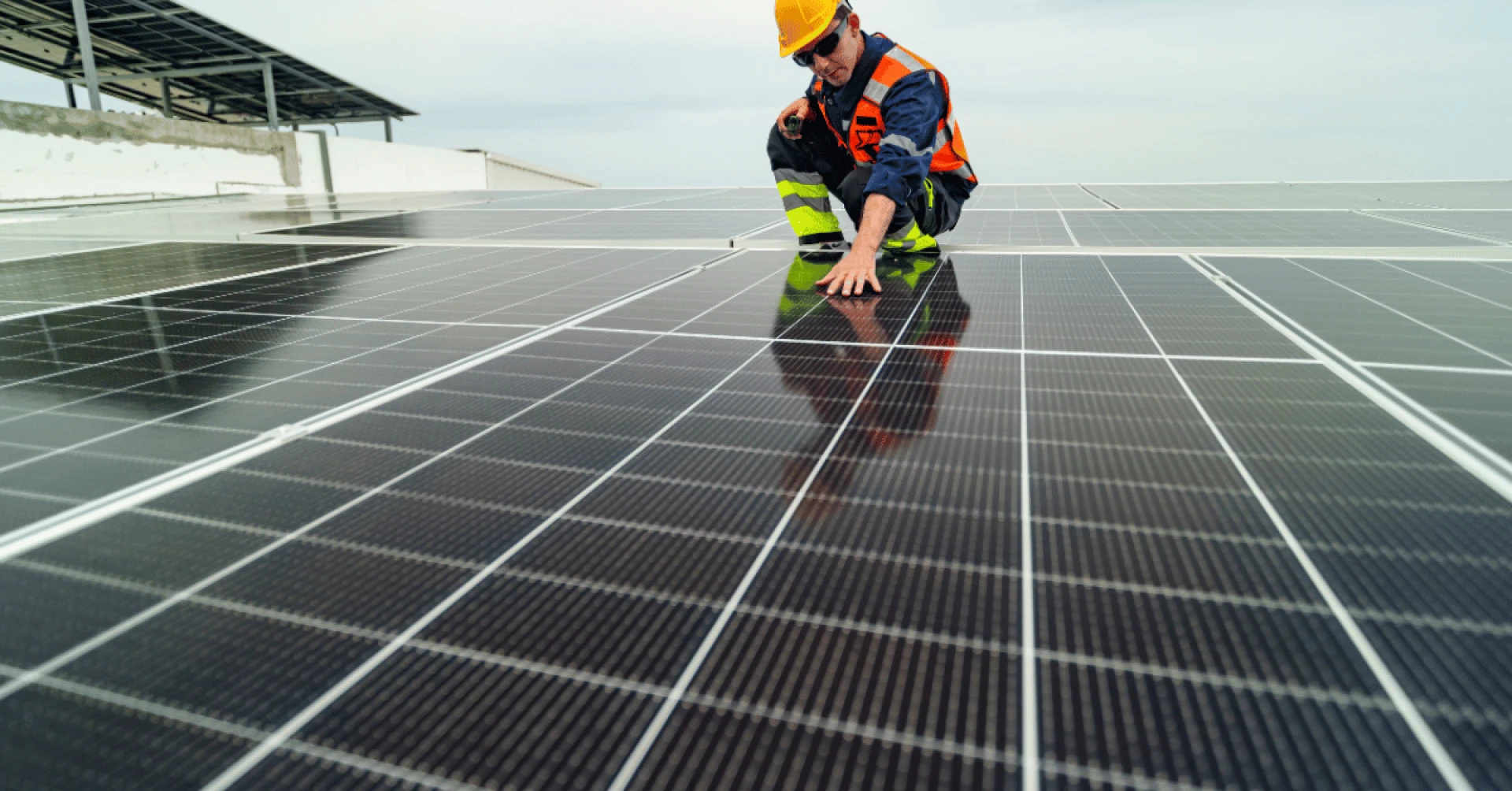
Solar energy adoption is rapidly increasing across India as homeowners and industries look for sustainable and cost-effective power solutions. While both residential and industrial rooftop solar systems help reduce electricity costs and carbon footprints, they differ significantly in design, scale, installation requirements, and energy output. Businesses searching for reliable Industrial rooftop solar installers in Gujarat often require large-scale systems tailored to heavy energy consumption, while homeowners usually install smaller systems designed for household needs.
What is a Residential Rooftop Solar System?
A residential rooftop solar system is installed on the roof of a house or apartment building to generate electricity for personal use. These systems are designed to meet the daily energy needs of households such as lighting, appliances, air conditioners, and other electronic devices.
Key Features of Residential Solar Systems
- Smaller capacity: Typically ranges between 1 kW to 10 kW.
- Lower installation cost: Designed for individual households with limited energy requirements.
- Simple design: Easier installation due to smaller rooftops and simpler wiring.
- Net metering benefits: Excess electricity can be exported to the grid.
- Shorter installation time: Usually completed within a few days.
Residential solar systems are ideal for homeowners who want to reduce electricity bills and become more energy independent.
What is an Industrial Rooftop Solar System?
Industrial rooftop solar systems are large-scale solar installations designed to power factories, warehouses, manufacturing units, and large commercial facilities. Since industries consume significantly more electricity than homes, these systems are engineered to generate high power output.
Key Features of Industrial Solar Systems
- Large capacity: Typically ranges from 100 kW to several megawatts.
- Complex engineering: Requires detailed site analysis, load assessment, and structural design.
- Higher investment: Although the initial cost is higher, the long-term savings are substantial.
- Advanced monitoring systems: Helps industries track performance and energy generation.
- Large rooftop area: Factories and industrial buildings provide ample space for solar panels.
Industrial solar systems help businesses reduce operational costs, achieve sustainability goals, and protect against rising electricity tariffs.
Major Differences Between Residential and Industrial Rooftop Solar Systems
1. System Size and Capacity
Residential systems are relatively small and designed to power homes. In contrast, industrial systems are significantly larger because they must support heavy machinery, production equipment, and large facilities.
2. Energy Consumption
Homes typically consume limited electricity, while industries operate machines, HVAC systems, and large equipment that require continuous power supply.
3. Installation Complexity
Residential solar installations are straightforward and require minimal structural evaluation. Industrial systems, however, demand advanced engineering, load calculations, and specialized mounting structures.
4. Cost and ROI
Residential systems have lower upfront costs but moderate savings. Industrial systems require higher investment but offer faster return on investment due to significant energy savings.
5. Maintenance and Monitoring
Industrial systems often include advanced monitoring software and regular maintenance plans to ensure maximum efficiency, whereas residential systems require comparatively minimal maintenance.
Which Solar System is Right for You?
Choosing between a residential and industrial rooftop solar system depends on energy requirements, available rooftop space, and budget. Homeowners typically benefit from smaller systems that reduce electricity bills, while businesses and manufacturing units require large-scale installations to power operations efficiently. With the right expertise and technology, solar power can transform energy consumption for both homes and industries.
Power Your Future with Solar Energy
Whether you are a homeowner looking to cut electricity bills or an industrial business aiming for large-scale energy savings, choosing the right solar partner is crucial. Zodiac Energy Limited delivers reliable, high-performance solar solutions tailored to your energy needs.
Ready to switch to clean and cost-effective solar power? Contact Zodiac Energy Limited today and take the first step toward a brighter, sustainable future.







Sign in to leave a comment.