
The digital art ecosystem has experienced a massive transformation with the rise of blockchain technology and NFTs. Artists, collectors, and investors are now actively participating in decentralized platforms, creating a highly competitive landscape. In this environment, Digital Art Marketplace Marketing plays a crucial role in determining the success of NFT platforms and digital art businesses.
Marketing a digital art marketplace requires a completely different approach compared to traditional platforms. The audience is niche, tech-savvy, and highly community-driven. Success depends on how well a platform can build trust, create visibility, and maintain engagement within this dynamic ecosystem.
One of the most important aspects of digital art marketplace marketing is community building. Unlike traditional eCommerce platforms, NFT marketplaces thrive on active and loyal communities. Platforms need to engage with artists, collectors, and enthusiasts through social channels, forums, and Web3 communities. Consistent interaction, updates, and transparency help build long-term relationships and trust.
Content strategy plays a significant role in attracting the right audience. Educational and value-driven content helps users understand the benefits of digital art ownership, blockchain authenticity, and the uniqueness of NFTs. High-quality visuals, artist stories, and behind-the-scenes content can significantly increase engagement and brand credibility.
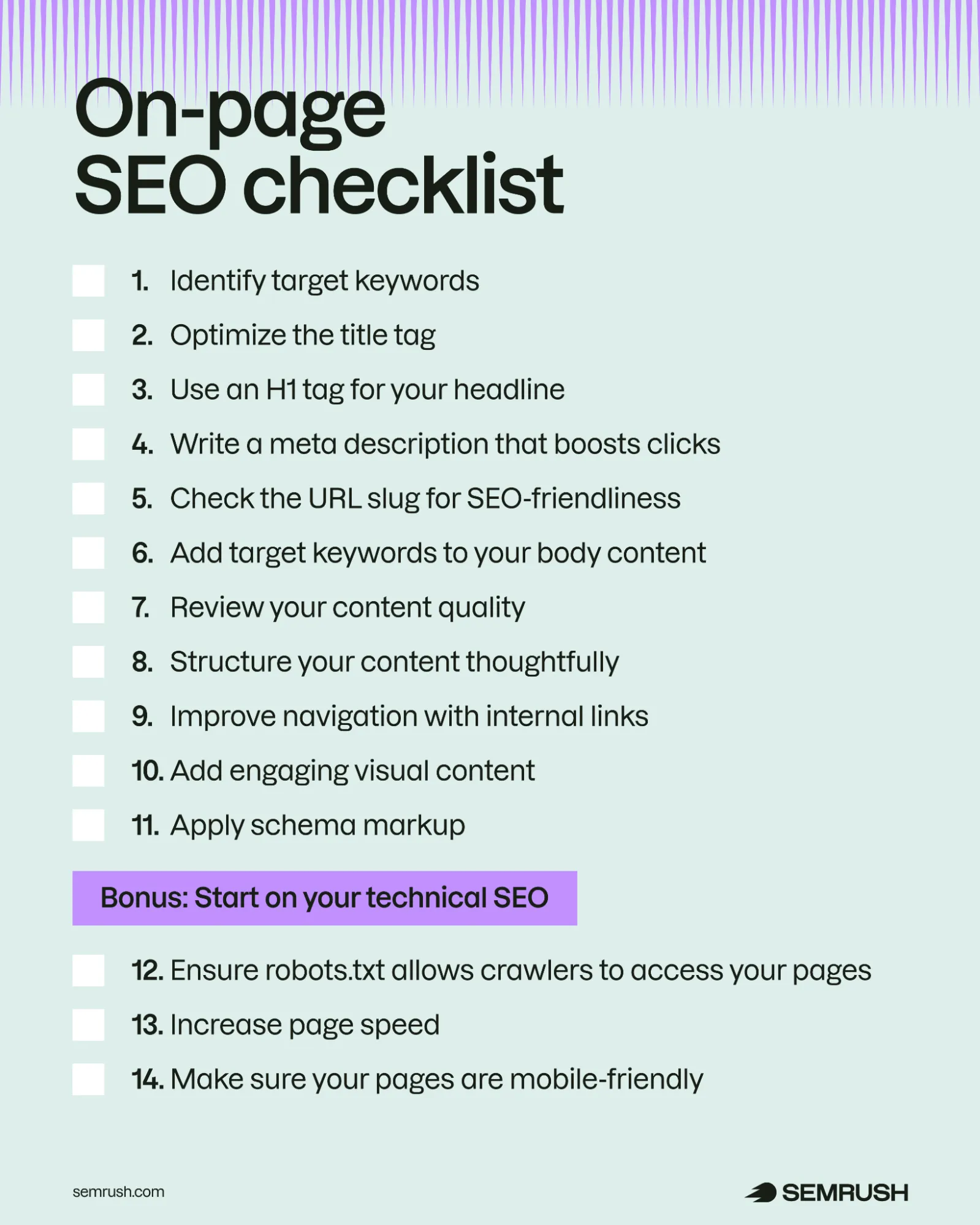
Search visibility is another key factor. Optimizing marketplace pages, blog content, and listings for relevant keywords ensures better discoverability. As competition increases, platforms that invest in strong SEO strategies gain a clear advantage in organic traffic and long-term growth.
Social media platforms remain powerful tools for promoting digital art marketplaces. Platforms like Twitter, Instagram, and Discord are widely used within the NFT community. Regular updates, artist collaborations, and interactive campaigns help maintain audience interest and attract new users. The ability to create viral moments often determines the success of NFT drops and collections.
Influencer and creator collaborations are also highly effective. Partnering with established artists and Web3 influencers can significantly boost credibility and reach. These collaborations not only bring in new audiences but also enhance the perceived value of the platform.
Another critical element is launch strategy. NFT drops and marketplace launches require careful planning and promotion. Countdown campaigns, whitelist access, and exclusive previews create anticipation and urgency among users. A well-executed launch can generate significant traction and initial momentum.
User experience plays a direct role in conversion rates. A seamless interface, easy navigation, and secure transaction processes are essential for retaining users. Even the best marketing strategies cannot compensate for a poor user experience, making it a priority for marketplace success.
Email marketing and retention strategies are equally important. Keeping users informed about new drops, featured artists, and platform updates helps maintain engagement. Personalized communication improves user retention and increases repeat transactions.
Data-driven decision-making is becoming a standard in digital marketing. Analyzing user behavior, engagement metrics, and campaign performance helps platforms optimize their strategies. This allows for better targeting and improved ROI over time.
Trust and authenticity are fundamental in the NFT space. Platforms must ensure transparency in transactions, artist verification, and ownership records. Building trust not only attracts users but also encourages long-term participation.
Paid advertising can also be leveraged strategically, although Web3 platforms must comply with advertising policies. Targeted campaigns on social media and search engines can help reach specific audiences and drive traffic to the marketplace.
Another emerging trend is gamification. Adding elements such as rewards, achievements, and exclusive access can enhance user engagement and encourage participation. This creates a more interactive and enjoyable experience for users.
Brand positioning is equally important. A digital art marketplace must clearly define its identity—whether it focuses on premium art, emerging artists, or specific niches. Strong positioning helps differentiate the platform in a crowded market.
Scalability and adaptability are key to long-term success. As the NFT space evolves, marketing strategies must also adapt to new trends, technologies, and user behaviors. Platforms that stay ahead of the curve will continue to grow and remain relevant.
In conclusion, Digital Art Marketplace Marketing is a multi-layered strategy that combines community building, content creation, SEO, and user experience. Success in this space requires a deep understanding of the Web3 ecosystem and a consistent effort to engage and retain users. With the right approach, digital art marketplaces can achieve sustainable growth and establish a strong presence in the evolving NFT landscape.

























Sign in to leave a comment.