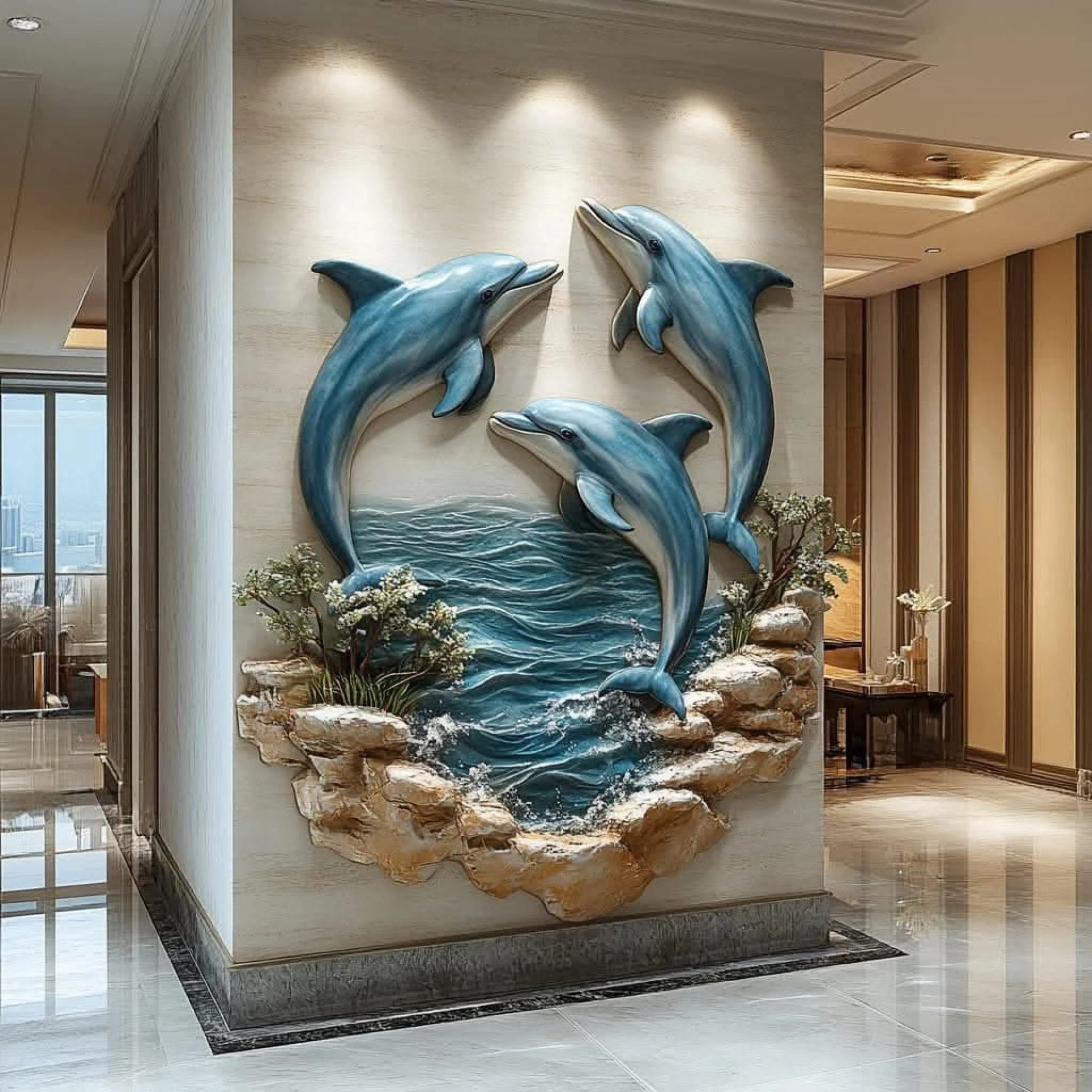
Introduction to Digital Ceramic Printing
Digital ceramic printing is an advanced decoration process that applies high-resolution designs directly onto ceramic tiles and surfaces using inkjet technology. Unlike traditional methods, this approach eliminates design limitations and allows full creative control. Architects, interior designers, and manufacturers increasingly rely on this technique for projects requiring precision, durability, and customization. Its ability to replicate natural textures and artistic visuals has made it a preferred solution for modern construction and interior applications worldwide.
Evolution from Traditional Ceramic Printing
Conventional ceramic printing depended heavily on screens and repetitive patterns, restricting creativity and flexibility. Digital methods revolutionized the industry by allowing unique designs without additional setup costs. This evolution enables short production runs, faster turnaround times, and consistent quality across batches. As a result, ceramic surfaces are no longer just functional elements but expressive design features that enhance spatial identity and architectural character.
Technology Behind the Printing Process
Specialized ceramic inks are digitally applied and permanently fused during kiln firing, ensuring long-lasting results.
Applications Across Residential and Commercial Spaces
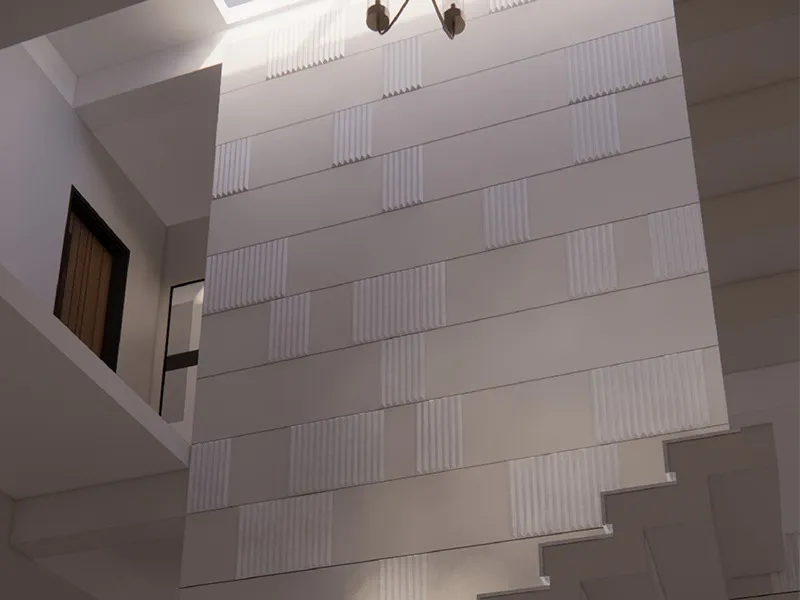
Digital ceramic printing is widely used in homes, hotels, retail outlets, offices, and public buildings. Bathrooms, kitchens, feature walls, and exterior façades benefit from its resistance to moisture, heat, and abrasion. Commercial spaces favor printed ceramics for branding and thematic interiors, while residential projects appreciate the personalized design options. This versatility makes the technology suitable for both decorative and functional surface requirements.
Design Flexibility and Creative Freedom
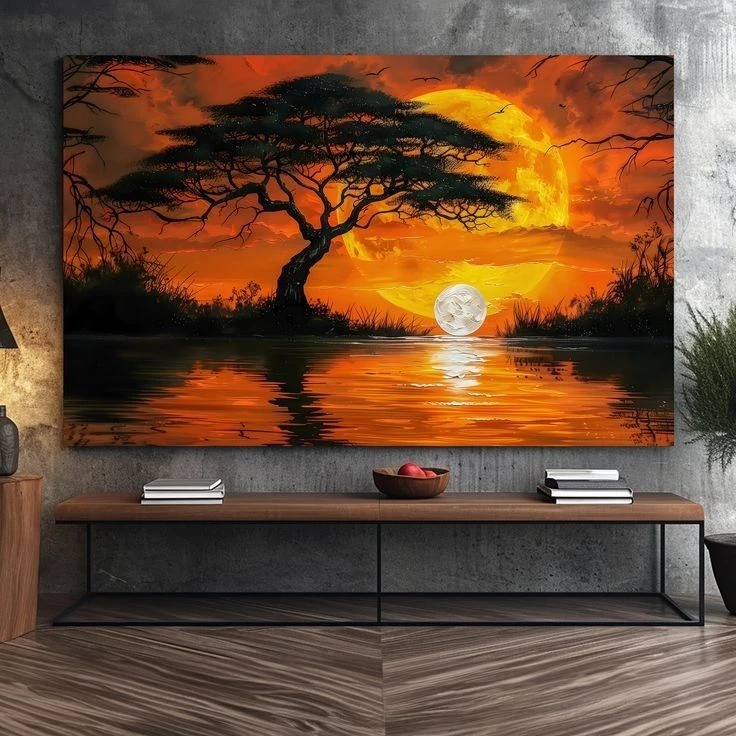
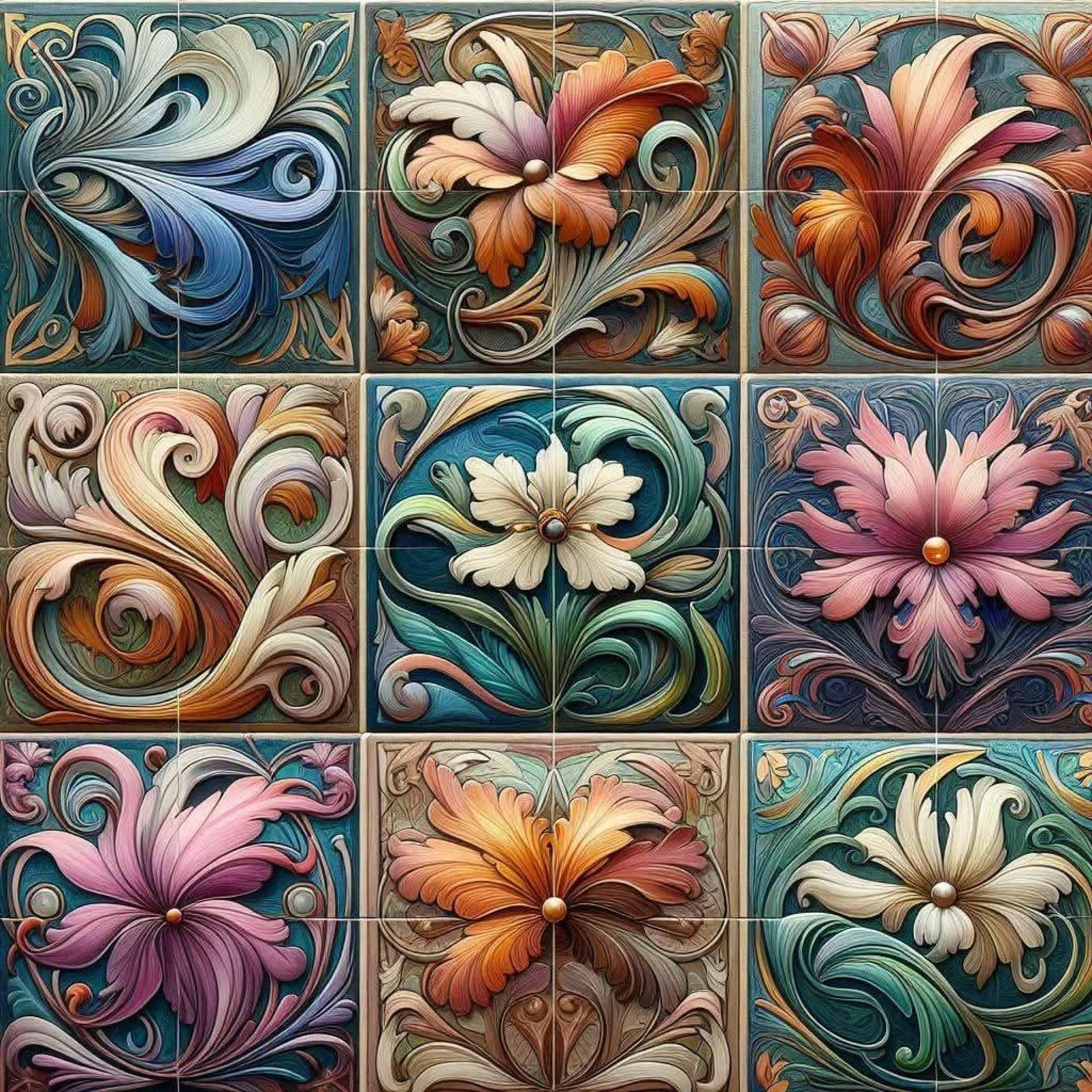
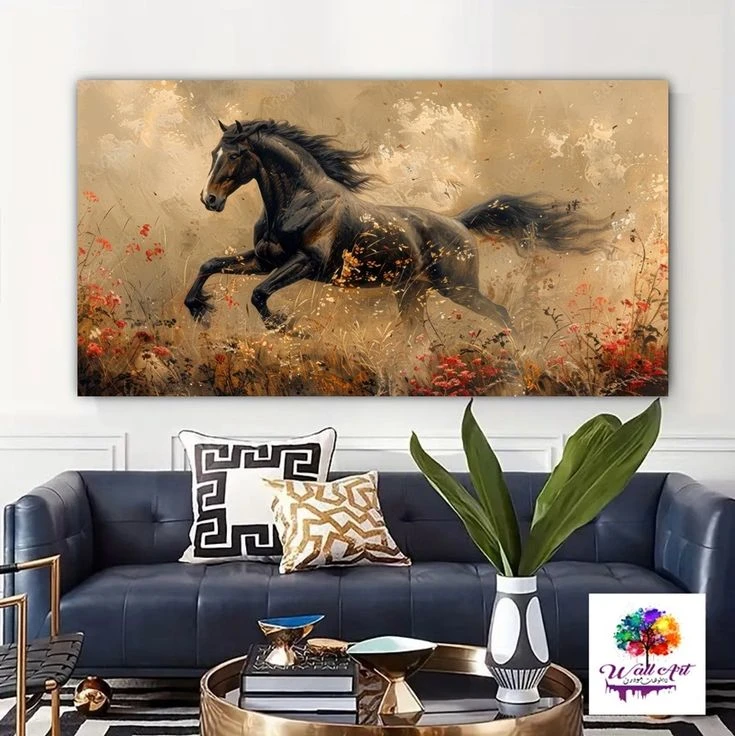
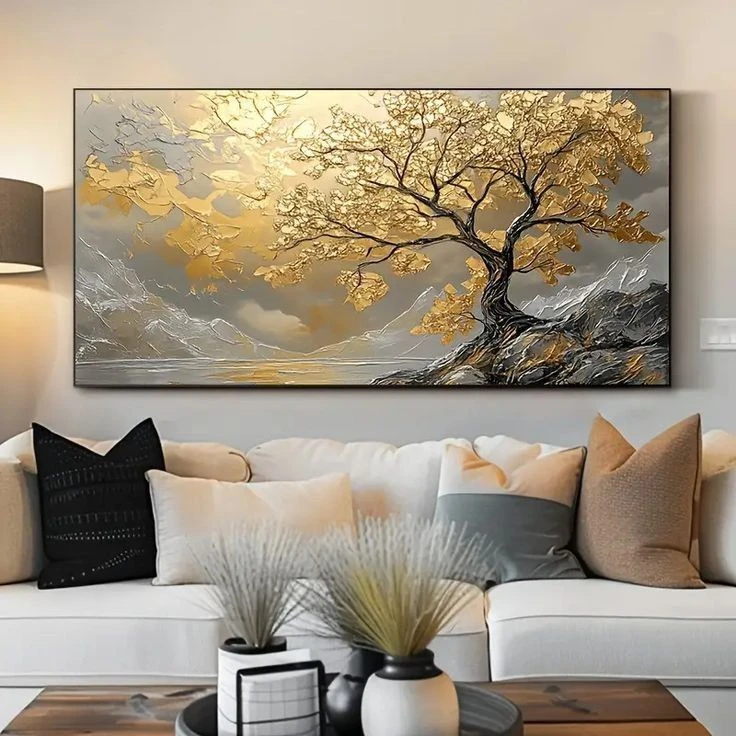
One of the biggest advantages of digital ceramic printing is its unlimited design potential. Designers can experiment with colors, scales, patterns, and photographic details without technical restrictions. Custom murals, stone effects, wood textures, and abstract art can be reproduced with remarkable accuracy. This flexibility empowers professionals to translate creative concepts into tangible surfaces that align perfectly with project goals and spatial dimensions.
Durability and Performance Standards
Ceramic surfaces produced through digital printing meet high durability standards. The firing process permanently bonds inks to the tile body, making designs resistant to fading, scratching, and chemicals. This ensures consistent appearance even in high-traffic or outdoor environments. Such performance reliability makes digital ceramic printing suitable for long-term architectural installations where maintenance efficiency and visual consistency are critical.
Sustainability and Efficient Manufacturing
Digital ceramic printing supports environmentally responsible production by reducing material waste and excess inventory. Designs are printed on demand, minimizing overproduction and storage requirements. The process also consumes fewer resources compared to traditional screen printing. These efficiencies align with sustainable building practices, making digitally printed ceramics a preferred choice for eco-conscious developers and designers.
Design Innovation with digital ceramic printing
The true value of digital ceramic printing lies in its ability to merge creativity with industrial precision. High-definition visuals, seamless color gradients, and complex textures can be produced consistently across large surfaces. This innovation enables designers to push creative boundaries while maintaining technical accuracy, making it ideal for contemporary architecture and interior design projects that demand originality and quality.
Importance of Expertise and Quality Control
Achieving optimal results requires skilled handling of color calibration, surface preparation, and firing conditions. Professional quality control ensures uniformity and prevents defects across production batches. Trusted providers follow strict technical standards to deliver reliable outcomes for large-scale and customized projects. ArtPlus in UAE is known for delivering professional digital ceramic printing solutions with a strong focus on precision and consistency.
Future Trends in Ceramic Surface Printing
The future of digital ceramic printing points toward higher resolutions, larger formats, and enhanced ink technologies. As demand for personalized interiors grows, the technology will continue to support bespoke designs and faster production cycles. These advancements will further integrate digitally printed ceramics into architectural innovation, expanding their role in modern design and construction.
Conclusion
Digital ceramic printing has transformed ceramic surfaces into expressive, durable, and sustainable design elements. With its combination of customization, performance, and efficiency, it continues to shape the future of architectural and interior spaces while meeting evolving aesthetic and technical demands.
























Sign in to leave a comment.