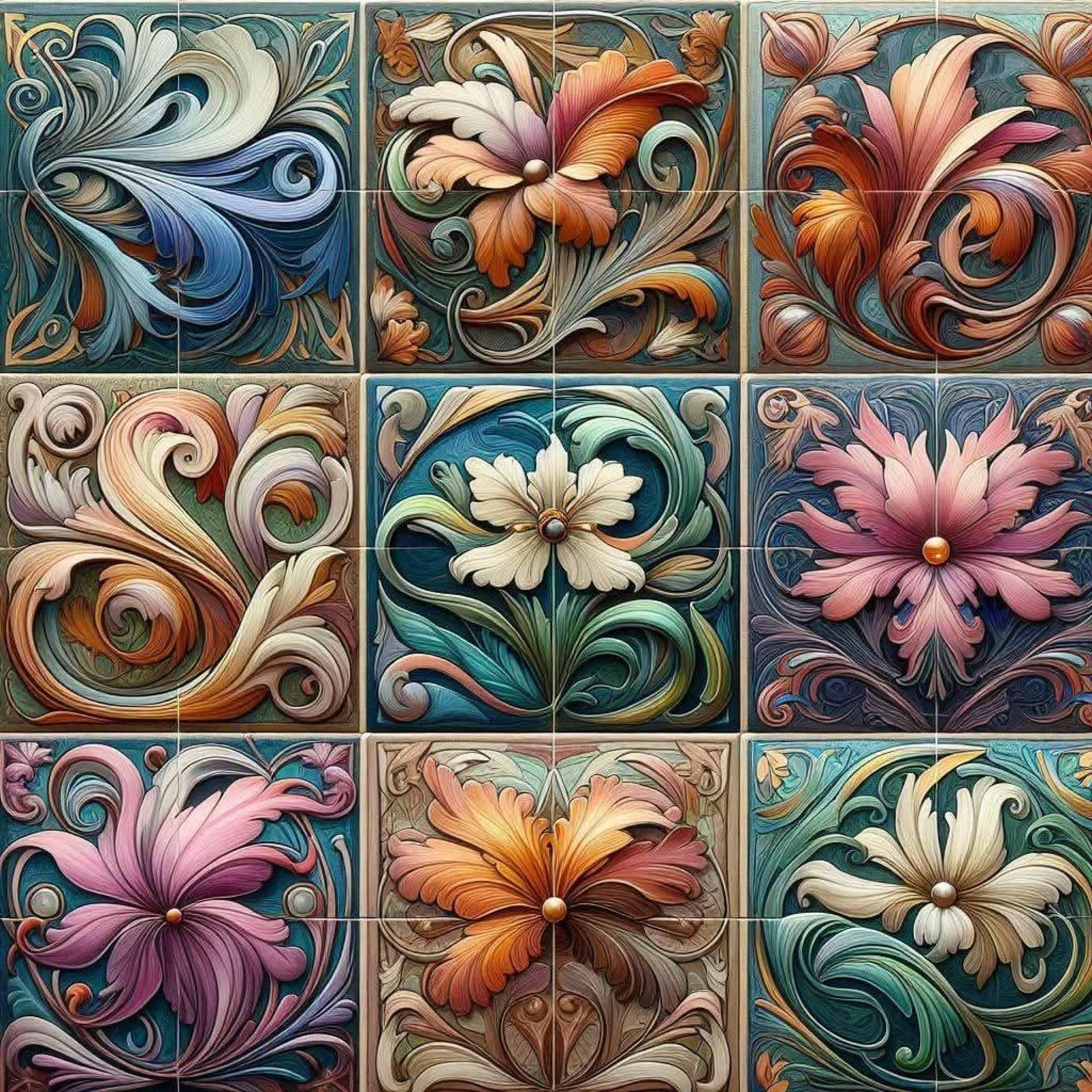
In recent years, the design and manufacturing industries have witnessed significant innovation in surface decoration technologies. One method that has gained remarkable attention is digital ceramic printing. This technology allows high-resolution images, patterns, and textures to be permanently applied to ceramic materials such as tiles, porcelain, and glass.
For architects, interior designers, and manufacturers, this technique opens new creative possibilities that were previously difficult or expensive to achieve using traditional printing methods. By combining digital imaging with ceramic ink technology, digital ceramic printing has become a practical solution for both decorative and functional surfaces.
Understanding the Basics of Digital Ceramic Printing
Digital ceramic printing is a process that uses advanced inkjet printing technology to transfer digital images onto ceramic surfaces. Instead of using physical printing plates or screens, designs are directly printed onto the material using specialized ceramic inks.
After the printing process, the ceramic piece is fired in a kiln at high temperatures. This firing stage allows the ink to fuse with the glaze or surface layer of the ceramic, creating a permanent and highly durable finish.
This method is widely used in industries such as construction, architecture, interior design, and decorative manufacturing.
Traditional Methods vs. Digital Printing
Before the adoption of digital printing technologies, ceramic decoration relied mainly on methods such as screen printing or rotary printing. While effective, these methods had certain limitations.
Limitations of Traditional Techniques
Traditional ceramic decoration required fixed printing screens or cylinders. Changing a design often meant creating entirely new equipment, which increased both time and production costs.
Additionally, these methods were less flexible when it came to producing small batches or customized designs.
Advantages of Modern Digital Technology
Digital systems allow manufacturers to print unique designs without changing physical tools. This flexibility is especially valuable for projects that require customized textures, photographic images, or complex patterns.
Because designs are stored digitally, adjustments can be made quickly, allowing designers to experiment with different styles before final production.
Materials Compatible with Digital Ceramic Printing
One of the major strengths of this technology is its ability to work with a wide variety of ceramic-based materials.
Ceramic and Porcelain Tiles
Tiles are one of the most common surfaces used for ceramic printing. Digital technology enables the creation of highly detailed tile designs that replicate natural materials like marble, granite, or wood grain.
Glass Panels
Glass panels printed with ceramic inks can be used in kitchens, bathrooms, and office interiors. The high-temperature firing process ensures that the printed designs remain resistant to moisture, heat, and scratches.
Decorative Architectural Panels
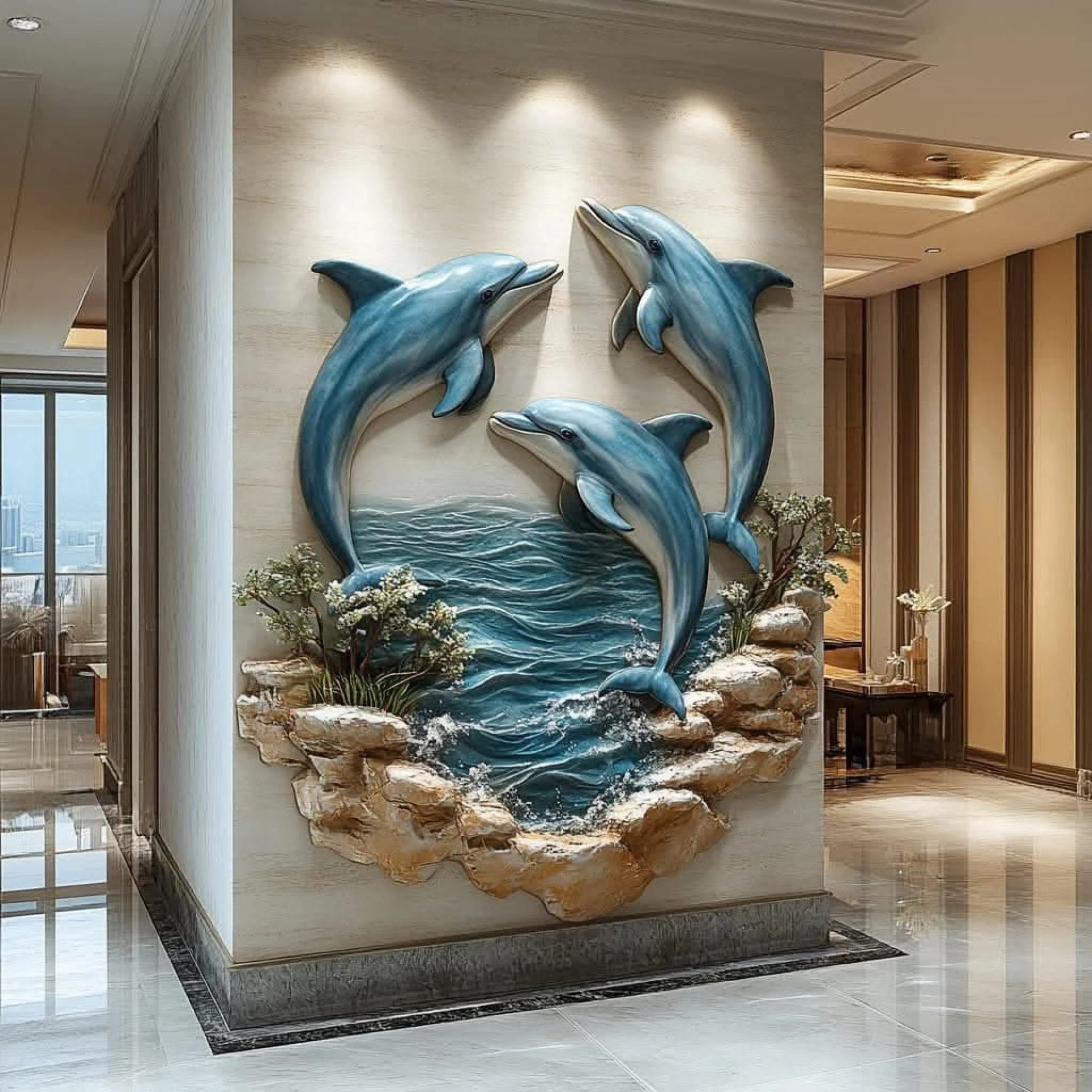
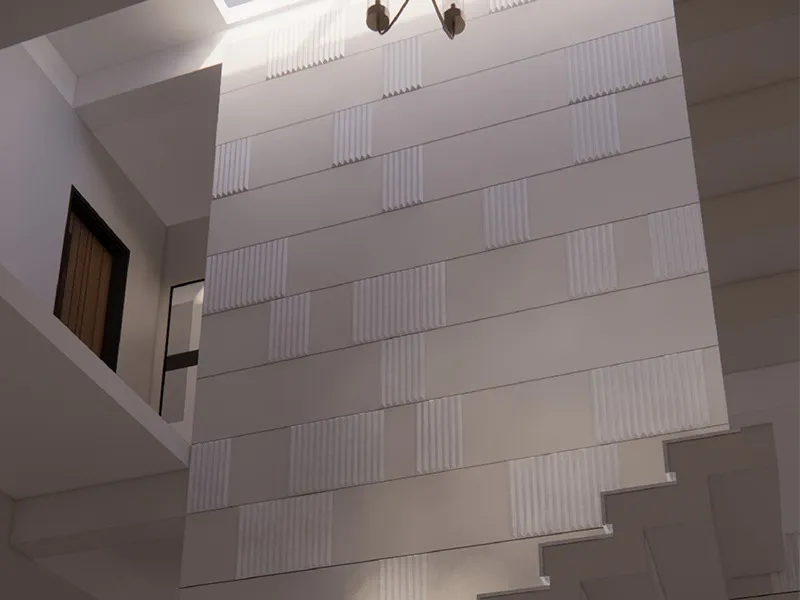
Large ceramic panels are often used in building facades and public spaces. Designers can print artistic visuals, cultural patterns, or branding elements directly onto these panels.
In design-driven cities such as Dubai, these customized panels are frequently used in hotels, shopping malls, and luxury residential developments.
Precision and Detail in Modern Ceramic Printing
A key reason for the rapid adoption of this technology is its ability to produce extremely detailed images. Modern printers can control tiny droplets of ceramic ink with high accuracy, allowing subtle gradients and fine textures to appear on ceramic surfaces.
This precision allows designers to recreate complex visuals such as stone textures, abstract art, or photographic images.
Many manufacturers now rely on digital ceramic printing to produce decorative surfaces that combine artistic creativity with industrial durability.
Practical Benefits for Designers and Architects
Digital ceramic printing offers several advantages for professionals working in architecture and interior design.
Customization for Unique Spaces
Designers can create custom surfaces tailored to a specific project. For example, a hotel lobby might feature a large ceramic mural, while a restaurant interior may incorporate unique patterned tiles.
Improved Production Efficiency
Because digital printing does not require screens or plates, manufacturers can quickly produce multiple design variations without major production changes.
Long-Term Durability
The kiln-firing process ensures that printed designs become part of the ceramic surface itself. This means the designs are highly resistant to fading, scratching, and environmental damage.
For outdoor architectural projects, this durability is particularly important.
Sustainability Considerations
Another factor contributing to the popularity of digital ceramic printing is its environmental efficiency. Traditional printing techniques often produce excess material waste due to setup requirements and large production runs.
Digital technology reduces this waste by allowing precise ink usage and smaller production batches. Additionally, many ceramic manufacturers have adopted eco-friendly ink formulations and energy-efficient kilns.
These improvements help reduce the environmental impact of decorative surface production.
Future Trends in Ceramic Printing Technology
The future of ceramic printing technology is likely to focus on even greater precision, faster production speeds, and improved sustainability.
Researchers and manufacturers are already exploring innovations such as textured printing, which allows surfaces to not only look like natural materials but also feel like them.
Another emerging trend is large-format ceramic panels that can cover entire walls or building facades with continuous designs.
As these technologies continue to evolve, digital ceramic printing will play an increasingly important role in modern architecture and interior design.
Conclusion
Digital ceramic printing has transformed the way decorative surfaces are produced and used in modern design. By combining digital imaging with durable ceramic materials, this technology offers unmatched flexibility, precision, and durability.
From customized tiles and glass panels to architectural installations, the applications of this printing method continue to grow across the construction and design industries.
As innovation continues, digital ceramic printing will remain an essential tool for designers and manufacturers seeking creative freedom without sacrificing long-term performance.


























Sign in to leave a comment.