
As businesses scale, the limitations of traditional digital signature methods become more apparent. What works for occasional document signing often breaks under high volume. Delays increase, costs rise, and customer experience suffers.
This has led many organizations to explore digital signature alternatives that are better suited for speed, scale, and compliance.
Why Traditional Digital Signatures Don’t Scale Well
Conventional digital signature methods were designed for controlled, low-volume environments. In high-volume use cases, they introduce challenges such as:
- Dependency on physical tokens or certificates
- Complex setup for end users
- Higher per-document execution time
- Increased support overhead
For businesses executing thousands of documents monthly, these limitations quickly become bottlenecks.
What High-Volume Businesses Actually Need
At scale, digital document execution must be:
- Fast and frictionless for users
- Easy to adopt without technical complexity
- Legally valid and auditable
- Reliable across devices and geographies
Solutions that fail on any of these fronts struggle to support growth.
Exploring Alternatives to Traditional Digital Signatures
To overcome scalability challenges, high-volume businesses are now evaluating OTP-based eSign alternatives that remove dependency on physical tokens and complex user setups.
Some common characteristics of modern alternatives include:
- OTP-based authentication
- Remote signing without physical presence
- Integration directly into existing workflows
- Minimal setup for end users
These approaches reduce friction while maintaining legal recognition.
Aadhaar-Based eSign as a Scalable Alternative
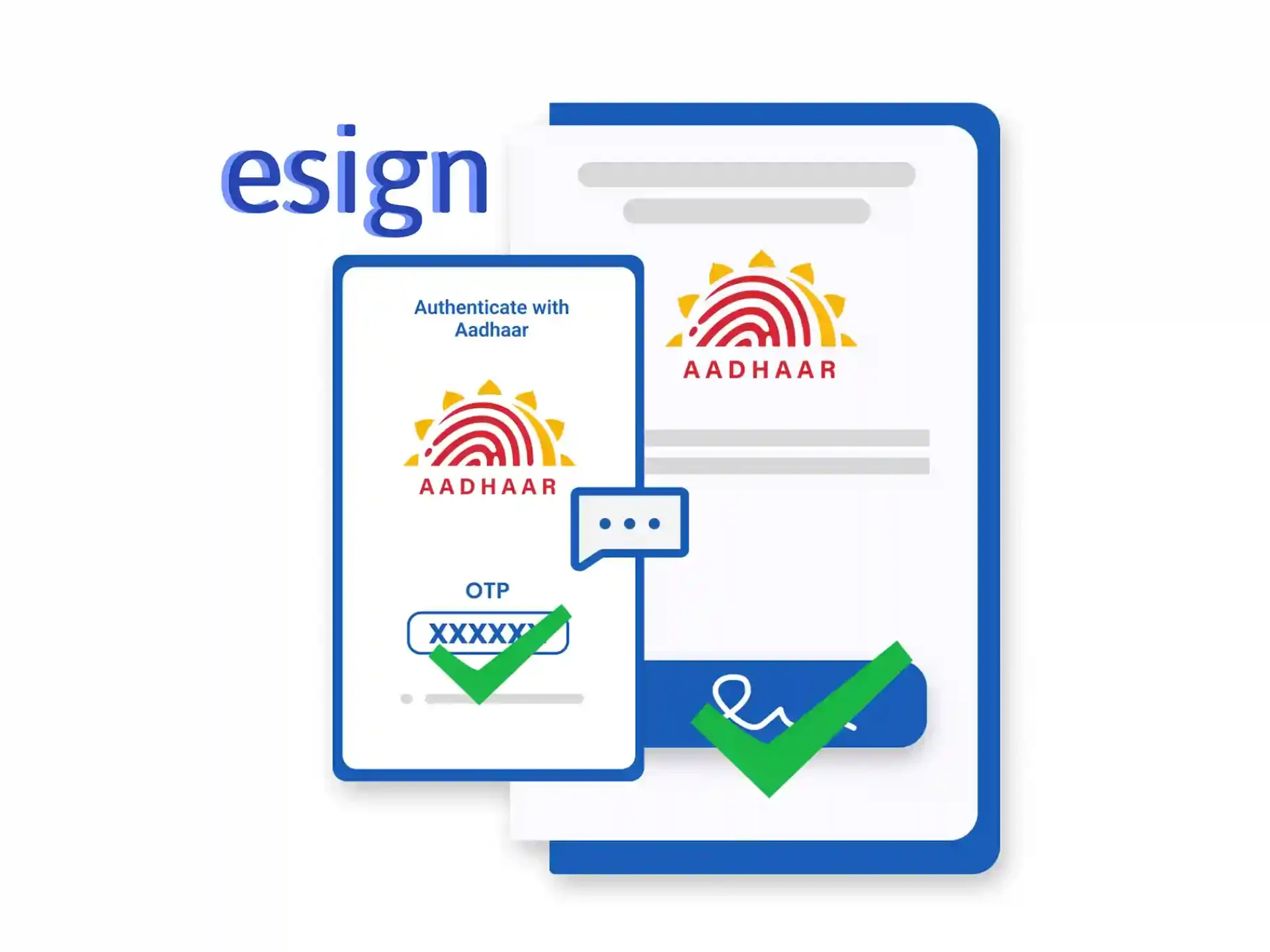
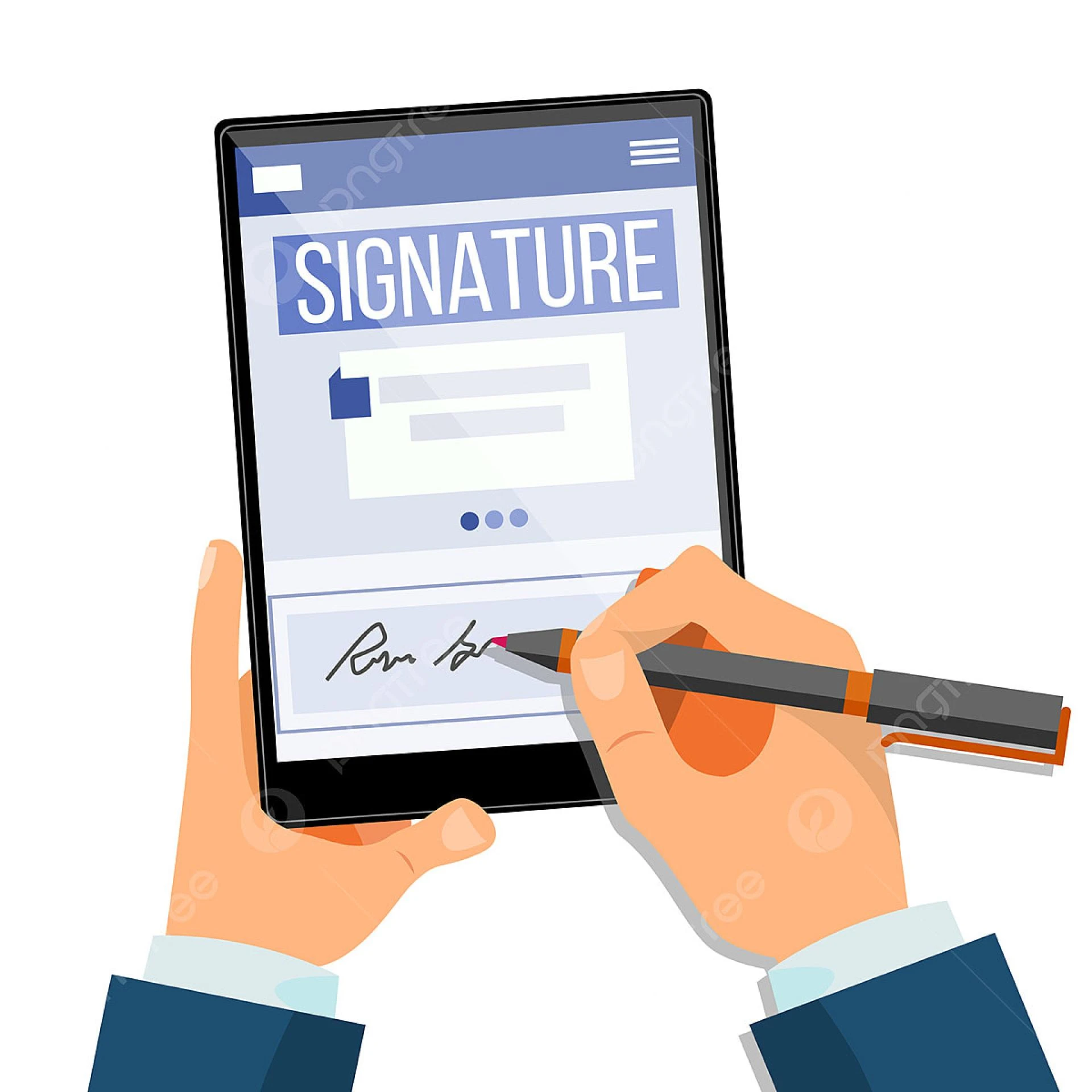
In India, Aadhaar-based eSign has emerged as a strong alternative for high-volume digital signing. It allows users to sign documents electronically using Aadhaar authentication, without requiring hardware tokens or manual processes.
This makes it particularly suitable for:
- Fintechs and NBFCs
- HR platforms and enterprises
- Real estate and service agreements
- High-frequency customer onboarding
Balancing Scale, Speed, and Compliance
The biggest advantage of modern digital signing alternatives is their ability to balance scale with compliance. Businesses no longer have to choose between speed and legal enforceability.
Well-designed digital signing frameworks provide:
- Instant execution
- Secure authentication
- Verifiable audit trails
- Regulatory alignment
Choosing the Right Alternative
Not every digital signature solution fits every use case. High-volume businesses should evaluate:
- Execution speed
- User effort required
- Integration flexibility
- Compliance with Indian regulations
The right choice supports growth without adding operational complexity.
Final Thoughts
As document volumes grow, businesses must move beyond traditional digital signatures and adopt solutions built for scale. Exploring modern digital signature alternatives is no longer about innovation — it’s about operational readiness.
This shift is helping high-volume organizations execute documents faster, reduce friction, and maintain trust in digital transactions.


























Sign in to leave a comment.