
As businesses move faster toward digital workflows, documents are being created, shared, and signed online every day. Agreements, consent forms, contracts, and onboarding documents are now executed digitally across industries.
But an important question often goes unasked: are these digital documents legally strong enough to stand in court if required?
Digital Doesn’t Automatically Mean Legally Enforceable
Many organizations assume that if a document is signed online, it is legally valid. In reality, legality depends on how the document is signed, authenticated, and stored.
Weak digital documentation practices can lead to:
- Disputes over authenticity
- Challenges to signer identity
- Lack of audit trails
- Difficulty proving consent
These issues usually surface only when something goes wrong.
Where Legal Strength Often Breaks Down
Digital documents become legally vulnerable when:
- Signer identity is not verifiable
- The signing method lacks regulatory backing
- No timestamp or audit trail exists
- Documents can be altered after signing
In such cases, proving that a document is genuine becomes difficult.
Why This Matters More for Growing Businesses
As businesses scale, document volumes increase — and so does exposure to risk. What works for internal approvals may not be sufficient for:
- Customer agreements
- Financial documents
- Employment contracts
- Regulatory audits
In high-stakes scenarios, legally weak documents can lead to financial and reputational damage.
Courts Look for Proof, Not Convenience
From a legal perspective, courts care less about convenience and more about:
- How identity was verified
- Whether consent was clearly captured
- If the document remained tamper-proof
- Whether the signing process is legally recognized
Digital convenience without legal backing offers little protection.
The Role of Legally Recognized Digital Signing
To strengthen digital documents, businesses are adopting signing methods that:
- Verify signer identity
- Generate detailed audit trails
- Prevent post-signing modification
- Align with existing legal frameworks
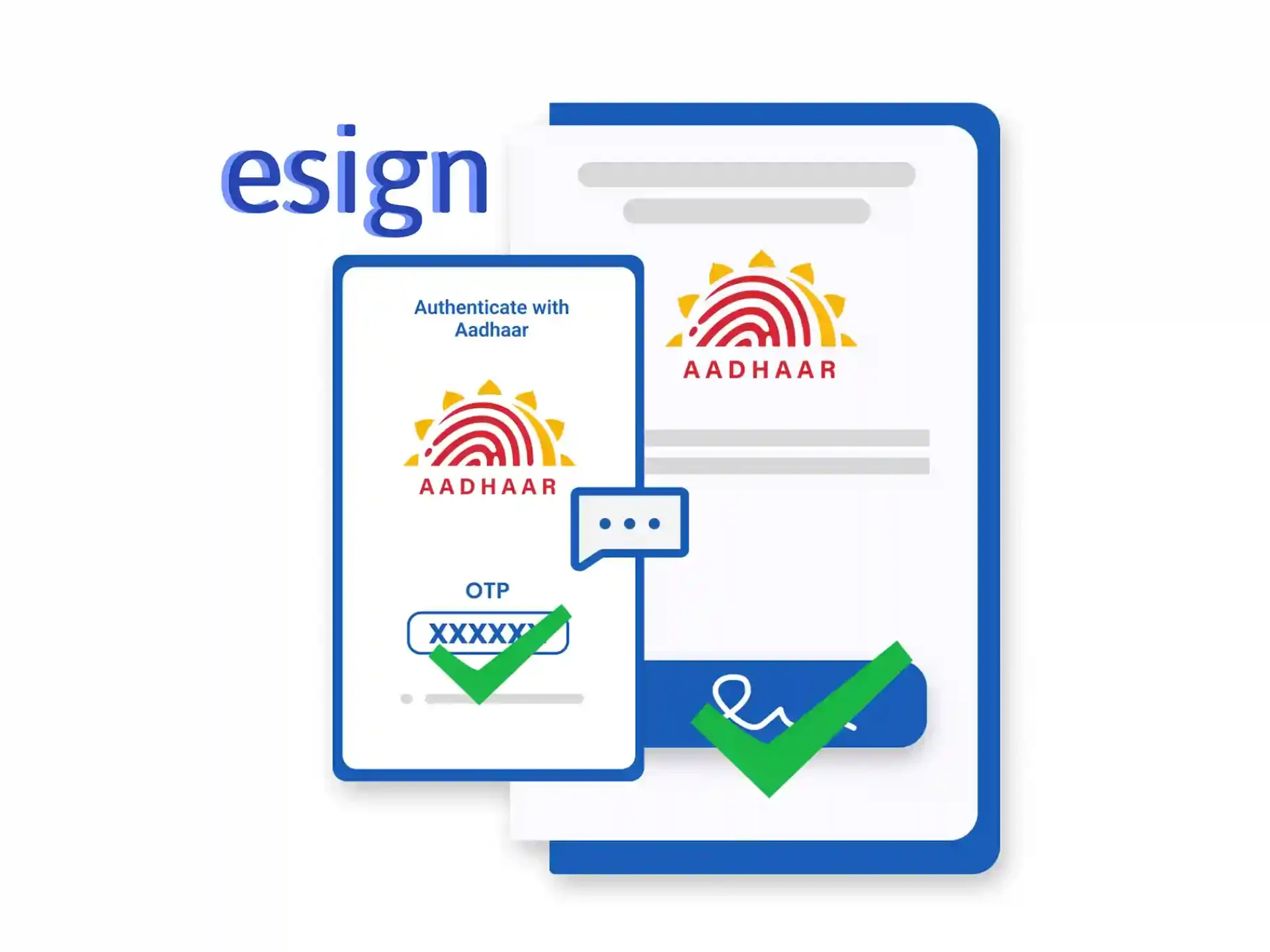
In India, legally recognized digital signing mechanisms help ensure documents remain enforceable when scrutinized.
Balancing Speed with Legal Confidence
Legal strength doesn’t have to come at the cost of speed. Modern digital signing frameworks allow businesses to execute documents quickly while maintaining compliance and traceability.
This balance is critical for organizations operating in regulated or high-volume environments.
Final Thoughts
Digital documentation is only as strong as the legal foundation behind it. As businesses rely more on digital agreements, ensuring their enforceability becomes essential — not optional.
This is why many organizations are reassessing how their digital documents are signed and validated, long before they are ever tested in a courtroom.




























Sign in to leave a comment.