
Managing agreements has always been a critical business function. From customer contracts and vendor agreements to internal approvals, documents sit at the center of every organization’s operations. Yet for years, agreement management relied on physical signatures, paperwork, and manual tracking. Today, eSignature services are fundamentally transforming how businesses create, sign, and manage agreements.
This shift is not just about convenience — it’s about efficiency, security, and scalability.
The Traditional Agreement Management Problem
Conventional agreement workflows involve multiple steps:
- Printing and sharing documents
- Coordinating signatures across stakeholders
- Manually tracking signed copies
- Storing and retrieving physical files
These processes are slow, error-prone, and difficult to scale. Delays in signing often lead to delayed onboarding, missed opportunities, and operational bottlenecks.
As businesses adopt digital-first models, these limitations become more visible.
The Rise of Electronic Signature Solutions
Electronic signature solutions eliminate the dependency on physical paperwork. Documents can now be signed digitally, securely, and remotely. This has changed agreement management in several important ways:
- Faster turnaround times
- Reduced administrative effort
- Better visibility into document status
Instead of chasing signatures, teams can focus on higher-value work.
Centralizing Agreements With eSignature Software
Modern eSignature software does more than collect signatures. It centralizes agreement workflows by allowing businesses to:
- Create and send documents digitally
- Track signing status in real time
- Maintain a single source of truth
This centralization improves accountability and reduces the risk of lost or outdated documents.
Improving Accuracy and Reducing Errors
Manual processes often introduce errors such as missing signatures, incorrect dates, or unsigned pages. Electronic signature software reduces these risks by:
- Enforcing mandatory signing fields
- Preventing incomplete submissions
- Maintaining document integrity
Automation ensures that agreements are executed correctly the first time.
Security and Electronic Signature Verification
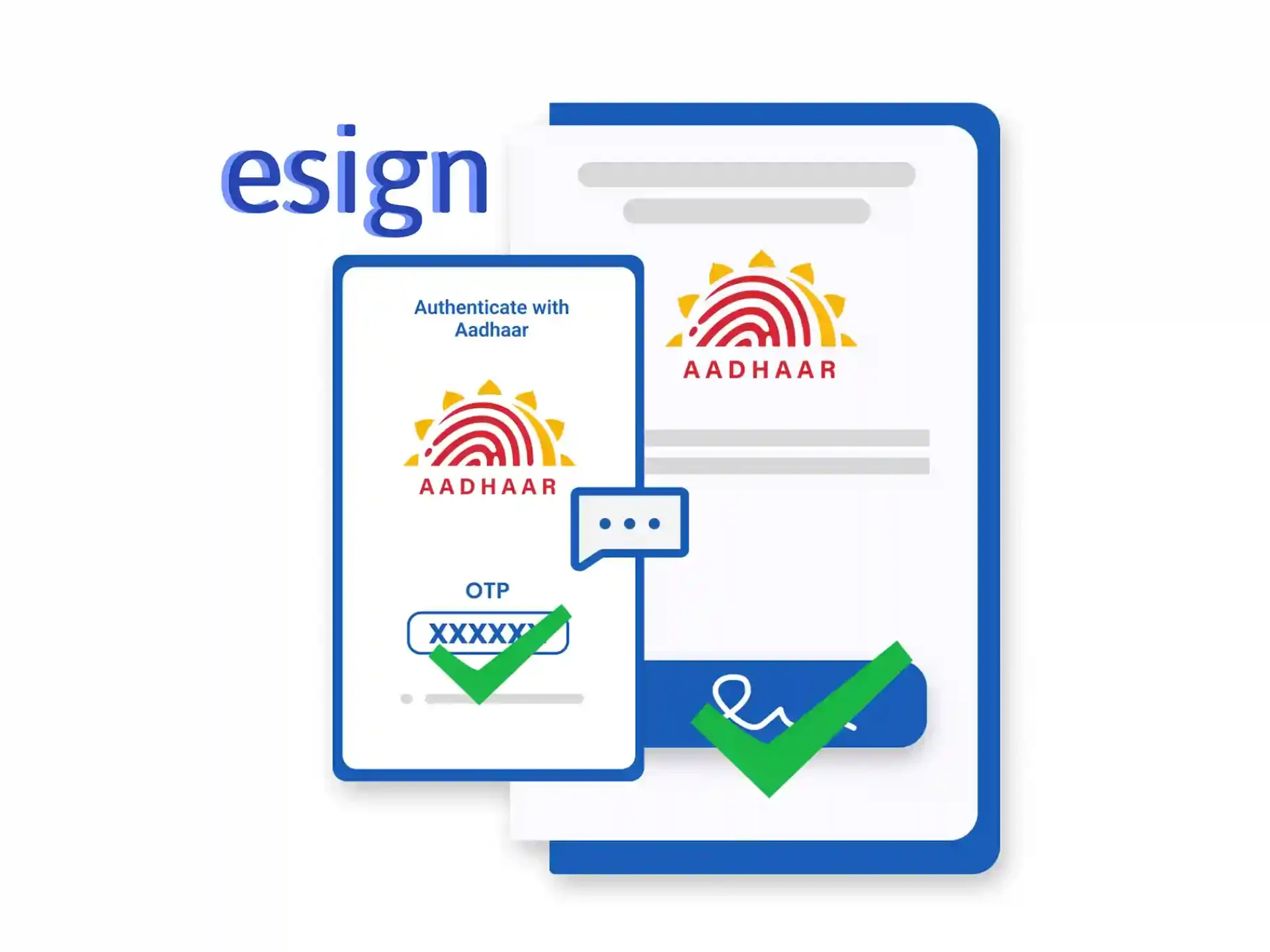
One of the biggest concerns around digital agreements is security. This is where electronic signature verification becomes critical. Reliable eSignature systems ensure:
- Signer authentication
- Tamper-evident documents
- Time-stamped audit trails
These features strengthen trust and provide legal and compliance confidence, especially for regulated industries.
Supporting Remote and Distributed Teams
Remote work has become a standard operating model for many organizations. eSignature services support this shift by enabling agreements to be signed:
- From any location
- On any device
- Without physical interaction
This flexibility keeps workflows moving even when teams and customers are geographically distributed.
Faster Agreements Lead to Faster Business
Speed plays a direct role in business outcomes. Faster agreement execution leads to:
- Quicker customer onboarding
- Faster deal closures
- Reduced operational delays
In competitive markets, this speed often becomes a key differentiator.
Scalability Without Complexity
As businesses grow, the number of agreements grows with them. Manual processes scale poorly, requiring more staff and oversight. eSignature services allow organizations to scale agreement management without proportional increases in cost or effort.
Digital workflows remain consistent even at high volumes.
A Foundation for Automated Workflows
eSignature services often integrate with broader digital systems such as CRM, onboarding platforms, and document management tools. This creates end-to-end automation where agreements move seamlessly from creation to execution and storage.
Agreement management becomes a connected part of the business ecosystem rather than a standalone task.
Final Thoughts
eSignature services are redefining how organizations manage agreements. By replacing slow, manual processes with secure and efficient digital workflows, businesses gain speed, accuracy, and operational clarity.
As digital transformation continues across industries, electronic signatures are no longer just a convenience — they are becoming essential infrastructure for modern agreement management.
























Sign in to leave a comment.