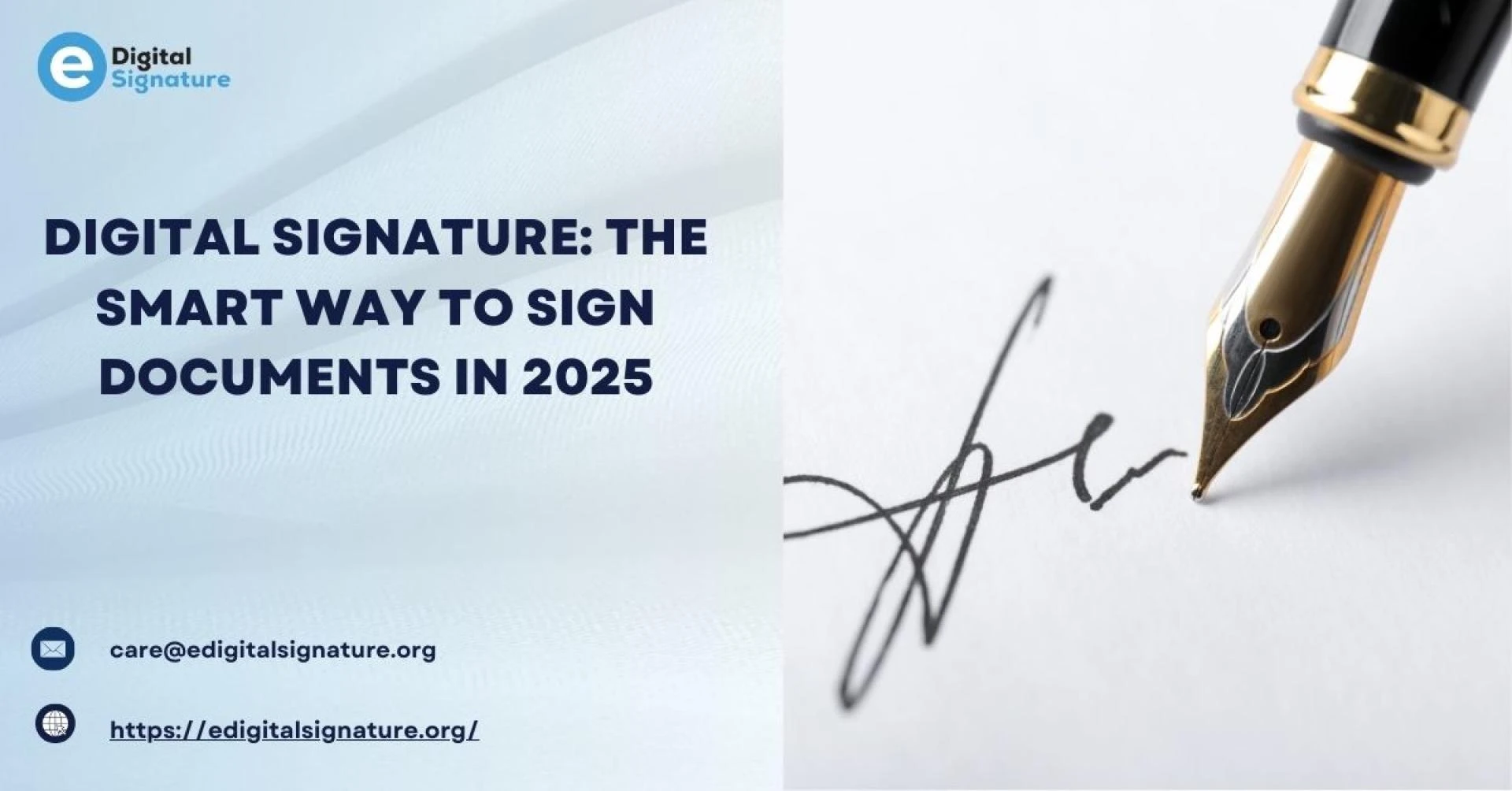

In today’s fast-paced digital world, businesses, professionals, and even government institutions are embracing a paperless approach. As more processes move online, digital signatures have become the new standard for secure and legal document authentication. In 2025, digital signature are not just a convenience—they’re a necessity for smooth and verified online transactions. Whether you’re signing a contract, filing tax returns, or verifying company documents, digital signatures make the process faster, safer, and smarter. Let’s explore why digital signatures are revolutionizing the way we sign and manage documents in 2025.
What Is a Digital Signature?
A digital signature is an electronic form of a handwritten signature used to authenticate digital documents. It confirms that the document comes from a verified sender and hasn’t been altered after signing. Unlike a scanned or image-based signature, a digital signature is backed by cryptographic technology that ensures authenticity, integrity, and non-repudiation — meaning it can’t be faked or tampered with. In India, digital signatures are legally valid under the Information Technology Act, 2000, making them a reliable tool for online verification.
How Digital Signatures Work
Digital signatures use a combination of public key infrastructure (PKI) and encryption technology. Here’s how the process works:
- Document Creation: A document (like a contract or form) is created digitally.
- Private Key Signing: The sender signs it using their private key, which generates a unique encrypted code.
- Public Key Verification: The recipient uses the sender’s public key to verify the signature and confirm its authenticity.
This ensures that the signature is genuine and the document remains unchanged.
Why Digital Signatures Are the Smart Choice in 2025
With the rise of remote work, digital documentation, and online services, traditional handwritten signatures are no longer practical. Here’s why digital signatures are the smarter alternative:
1. Fast and Convenient
Gone are the days of printing, signing, and scanning documents. Digital signatures let you sign any document instantly, from anywhere in the world, saving time and effort.
2. Legally Valid
Digital signatures hold the same legal status as physical signatures under Indian and international laws. In India, they are authorized by Certifying Authorities (CAs) like eMudhra, Capricorn, and VSign.
3. Highly Secure
Each digital signature is encrypted and linked to the signer’s identity. This makes it almost impossible to forge or misuse. Any changes to a signed document immediately invalidate the signature.
4. Environment-Friendly
By going paperless, businesses using digital signatures contribute to sustainability. It reduces paper waste, printing, and courier costs—making it an eco-conscious choice.
5. Globally Accepted
Digital signatures are recognized across countries, enabling international contracts, trade, and cross-border collaborations without physical documentation.
Types of Digital Signature Certificates (DSCs)
In India, Digital Signature Certificates (DSCs) are issued in three types, depending on their purpose:
1. Class 1 DSC
Used for basic authentication of an individual’s name and email ID.
Ideal for: Personal use and non-commercial verification.
2. Class 2 DSC
Used for filing government forms such as Income Tax Returns (ITR), GST, and MCA (Ministry of Corporate Affairs) compliance.
Ideal for: Entrepreneurs, business owners, and professionals.
3. Class 3 DSC
The most secure type, used for e-tendering, e-auctions, and legal business transactions.
Ideal for: Organizations dealing with government departments or high-value contracts.
Step-by-Step Guide: How to Get a Digital Signature Certificate in 2025
Getting a Digital Signature Certificate (DSC) is simple and fully online. Here’s the step-by-step process:
Step 1: Access the Website
Visit our official website to initiate the digital signature application process.
Step 2: Enter Your Details
- User Type: Select whether you are an individual or an organization.
- Certificate Type: Choose between a certificate for signing documents only or signing and encryption.
- Validity Period: Specify how long you want your certificate to be valid.
- Personal Information: Fill in your name, email, phone number, and address.
- Agree to Terms: Tick the box to accept the terms and conditions.
- Submit: Click on the submit button to proceed.
Step 3: Select Token Option
- Already Have a USB Token? Choose “No” if you already have one.
- Need a New Token? Choose “Yes” to get a new USB token along with your digital signature.
Step 4: Make Payment
Enter your payment details and complete the fee transaction using net banking, credit/debit card, or UPI.
Step 5: Review and Submit
Double-check all the information you entered to ensure accuracy. Click submit and wait for a confirmation email.
Step 6: Receive Your Digital Signature
After processing, your digital signature will be delivered on a USB token drive, ready to use for secure document signing.
Documents Required for Digital Signature Registration
Keep these ready before you apply:
- PAN card of the applicant
- Aadhaar card or address proof
- Passport-size photo
- Email ID and mobile number
- Business registration proof (if applying on behalf of a company)
Top Benefits of Using Digital Signatures for Businesses
1. Simplifies Legal and Financial Processes
Digital signatures make filing GST returns, income tax documents, and company forms quicker and more secure.
2. Increases Productivity
With no physical paperwork delays, businesses can close deals, sign contracts, and process approvals in real-time.
3. Reduces Costs
Eliminate expenses on printing, courier, and document storage. Everything happens online at minimal cost.
4. Builds Customer Trust
Using certified digital signatures shows professionalism, transparency, and a commitment to modern compliance.
5. Enables Remote Operations
In a post-pandemic world, businesses continue to function remotely. Digital signatures allow teams and clients to collaborate securely from anywhere.
Industries Benefiting from Digital Signatures
Digital signatures are now common across multiple sectors in India, including:
- Banking and Finance: For loan approvals, account verifications, and digital agreements.
- IT and E-commerce: For client contracts and online service agreements.
- Government and Public Sector: For filing tenders, licenses, and e-procurement.
- Education and Healthcare: For digital records, certificates, and official documentation.
The Future of Digital Signatures in 2025 and Beyond
As India moves closer to becoming a fully digital economy, the use of digital signatures will only expand. With stronger data protection laws, e-governance initiatives, and growing awareness of paperless documentation, more individuals and companies are embracing this smart technology. In 2025, digital signatures are expected to become a standard tool for every transaction, from personal documents to global business contracts.
Suggested read- What is E-Mudra
Conclusion
In an age where time, efficiency, and security define success, digital signatures are transforming how we sign, share, and verify documents. They bring unmatched speed, legal assurance, and eco-friendly benefits — making them the smartest way to sign documents in 2025. So, whether you’re a business owner, freelancer, or government professional, adopting digital signatures today means staying ahead in tomorrow’s digital world.


























Sign in to leave a comment.