

In today's competitive construction market, commercial electricians need accurate estimates to win profitable projects and avoid costly mistakes. Whether bidding on office buildings, retail centers, schools, healthcare facilities, or industrial facilities, the estimating method you choose can significantly impact your efficiency, accuracy, and bottom line.
For years, manual estimating was the industry standard. However, digital takeoff technology has transformed how electrical contractors prepare bids. The question is: which approach is better for modern commercial electricians?
Let's compare digital takeoffs and manual estimating to help determine the best solution for your business.
Understanding Manual Estimating
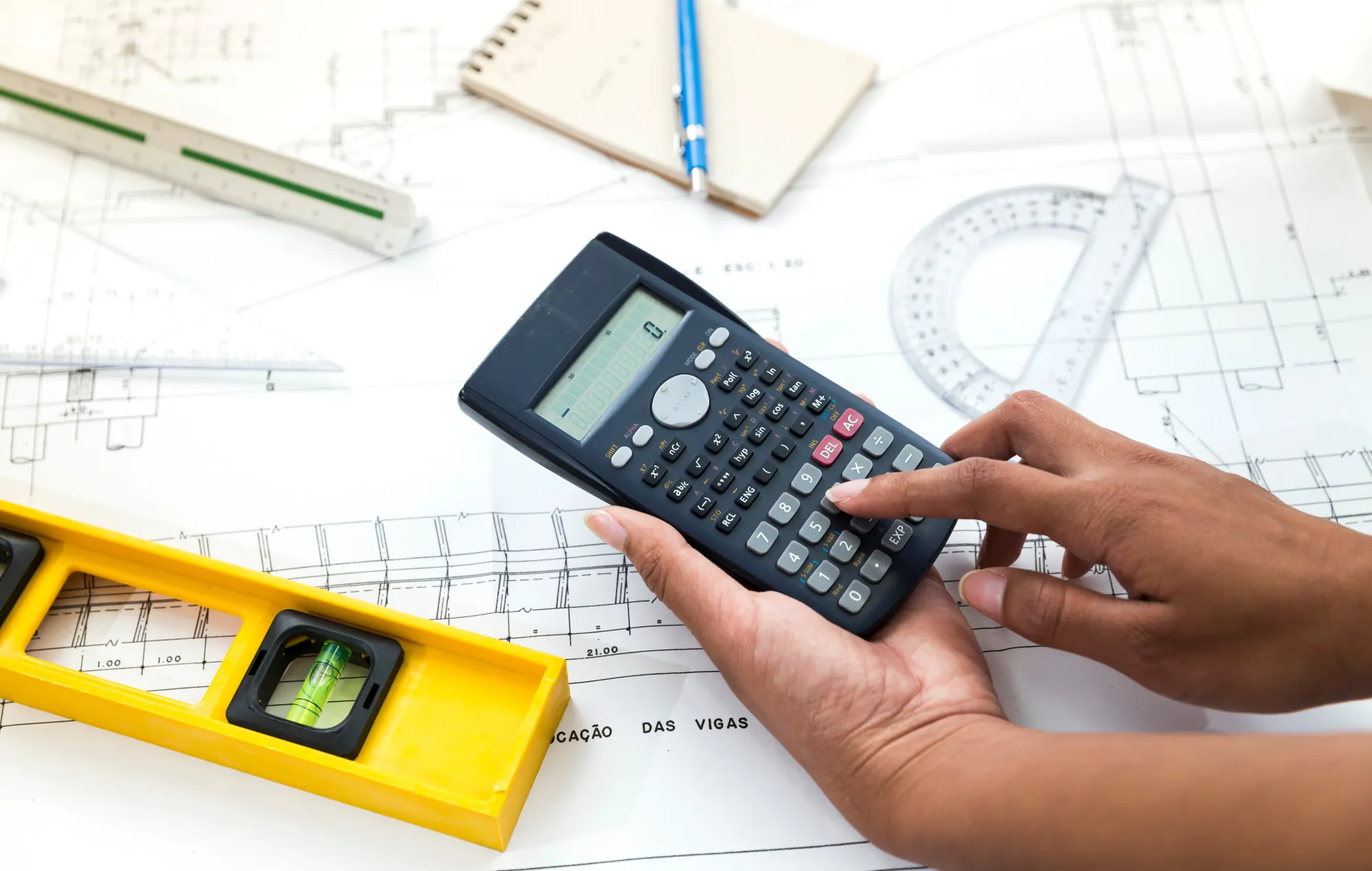
Manual estimating involves reviewing printed plans or PDF drawings and calculating quantities by hand. Estimators measure conduit runs, count fixtures, calculate cable lengths, and manually enter quantities into spreadsheets or estimating worksheets.
Traditionally, this method relied heavily on the estimator's experience and attention to detail.
Advantages of Manual Estimating
1. Familiar Process
Many experienced estimators and electricians have used manual methods throughout their careers. The process feels natural and requires minimal software training.
2. Low Technology Requirements
Manual estimating can be performed with basic tools such as scale rulers, calculators, highlighters, and spreadsheets.
3. Hands-On Project Understanding
Reviewing drawings manually often forces estimators to study plans more carefully, helping them gain a deeper understanding of project scope and potential challenges.
Disadvantages of Manual Estimating
1. Time-Consuming
Large commercial projects can require hundreds of hours to review, measure, count, and calculate quantities manually.
2. Greater Risk of Human Error
Missing a fixture, misreading a drawing, or making calculation mistakes can significantly impact bid accuracy.
3. Difficult Revisions
Construction drawings frequently change during the bidding phase. Updating manual takeoffs often means rechecking entire sections of plans.
4. Limited Scalability
As bid volume increases, manual estimating can become a bottleneck that limits business growth.
What Are Digital Takeoffs?
Digital takeoffs use specialized software to measure and quantify project components directly from electronic construction drawings. Estimators can quickly calculate conduit lengths, cable quantities, lighting counts, panel schedules, and other electrical components using digital tools. Industry-leading estimating solutions commonly leverage software platforms such as Bluebeam, Accubid, PlanSwift, and similar digital takeoff technologies to improve speed and consistency.
For commercial electricians, digital takeoffs streamline the entire estimating process while maintaining detailed documentation and audit trails.
Advantages of Digital Takeoffs
1. Faster Estimating Process
Digital takeoff software dramatically reduces the time required to complete estimates. Automated counting tools, measurement features, and reusable assemblies help estimators process large commercial projects much faster than manual methods.
This speed allows contractors to bid on more projects and increase revenue opportunities.
2. Improved Accuracy
Digital tools reduce many of the calculation errors associated with manual estimating. Quantities can be measured consistently, and changes are easier to track throughout the estimating process.
Accurate quantity takeoffs are essential for electrical projects where material and labor costs can significantly impact profitability. Professional estimating services increasingly rely on digital takeoff platforms to improve precision and consistency.
3. Easier Drawing Revisions
Construction documents often undergo multiple revisions before project award. Digital takeoff systems make it easier to identify and update changes without starting the estimate from scratch.
4. Better Documentation
Digital takeoffs create organized records of measurements, counts, assumptions, and markups. This documentation helps estimators justify pricing and review estimates during project execution.
5. Increased Bid Capacity
With faster workflows, commercial electricians can pursue more bidding opportunities without sacrificing quality.
Challenges of Digital Takeoffs
1. Software Investment
Digital estimating platforms require upfront investment in software, training, and implementation.
2. Learning Curve
Teams transitioning from manual estimating may require time to become proficient with new tools and workflows.
3. Dependence on Technology
Software issues, file compatibility challenges, or inadequate training can temporarily affect productivity.
However, most contractors find that the long-term efficiency gains outweigh these initial challenges.
What Do Industry Professionals Prefer?
Industry discussions among estimators and electrical contractors consistently show a strong preference for digital takeoff software for commercial projects. Professionals frequently highlight platforms such as Accubid, PlanSwift, Bluebeam, and On-Screen Takeoff because they improve efficiency, create repeatable processes, and integrate with pricing databases. Many estimators note that while software helps automate calculations and quantity tracking, experienced estimator oversight remains essential for accurate bids.
This reflects an important reality: technology enhances estimating accuracy, but expertise still drives successful project outcomes.
Digital Takeoffs vs Manual Estimating: Side-by-Side Comparison
| Factor | Manual Estimating | Digital Takeoffs |
| Speed | Slower | Significantly Faster |
| Accuracy | Higher Risk of Error | Greater Consistency |
| Revisions | Time-Intensive | Easy Updates |
| Documentation | Limited | Comprehensive |
| Scalability | Difficult | Highly Scalable |
| Training Required | Minimal | Moderate |
| Initial Cost | Low | Higher Investment |
| Long-Term Efficiency | Limited | Excellent |
Which Is Better for Commercial Electricians?
For most commercial electricians, digital takeoffs offer clear advantages over traditional manual estimating.
The ability to produce accurate estimates faster, manage drawing revisions efficiently, and handle larger bid volumes makes digital estimating the preferred choice for modern electrical contractors.
That said, successful estimating still depends on industry knowledge, practical field experience, and a thorough understanding of project requirements. The best results often come from combining advanced digital tools with experienced electrical estimators who understand the complexities of commercial construction.
Outsourcing Digital Electrical Takeoffs
Many electrical contractors are discovering that outsourcing estimating services provides the benefits of digital takeoffs without the overhead of maintaining a full in-house estimating department.
Professional estimating specialists can deliver accurate material takeoffs, labor calculations, and bid-ready estimates while allowing contractors to focus on operations, project management, and business development.
If you're looking for reliable and accurate electrical estimating support, explore our professional Electrical Estimating Services.
Our team helps commercial electricians prepare competitive bids, improve estimating efficiency, and win more projects.
Final Thoughts
While manual estimating still has a place for smaller projects and experienced estimators, digital takeoffs have become the industry standard for commercial electrical estimating. The combination of speed, accuracy, scalability, and improved project visibility makes digital estimating the superior choice for most commercial electricians.
As construction projects continue to grow in complexity, contractors who embrace digital estimating solutions position themselves to bid more effectively, reduce risk, and improve profitability.
Ready to streamline your estimating process and submit more competitive bids? Contact our team today.

























Sign in to leave a comment.