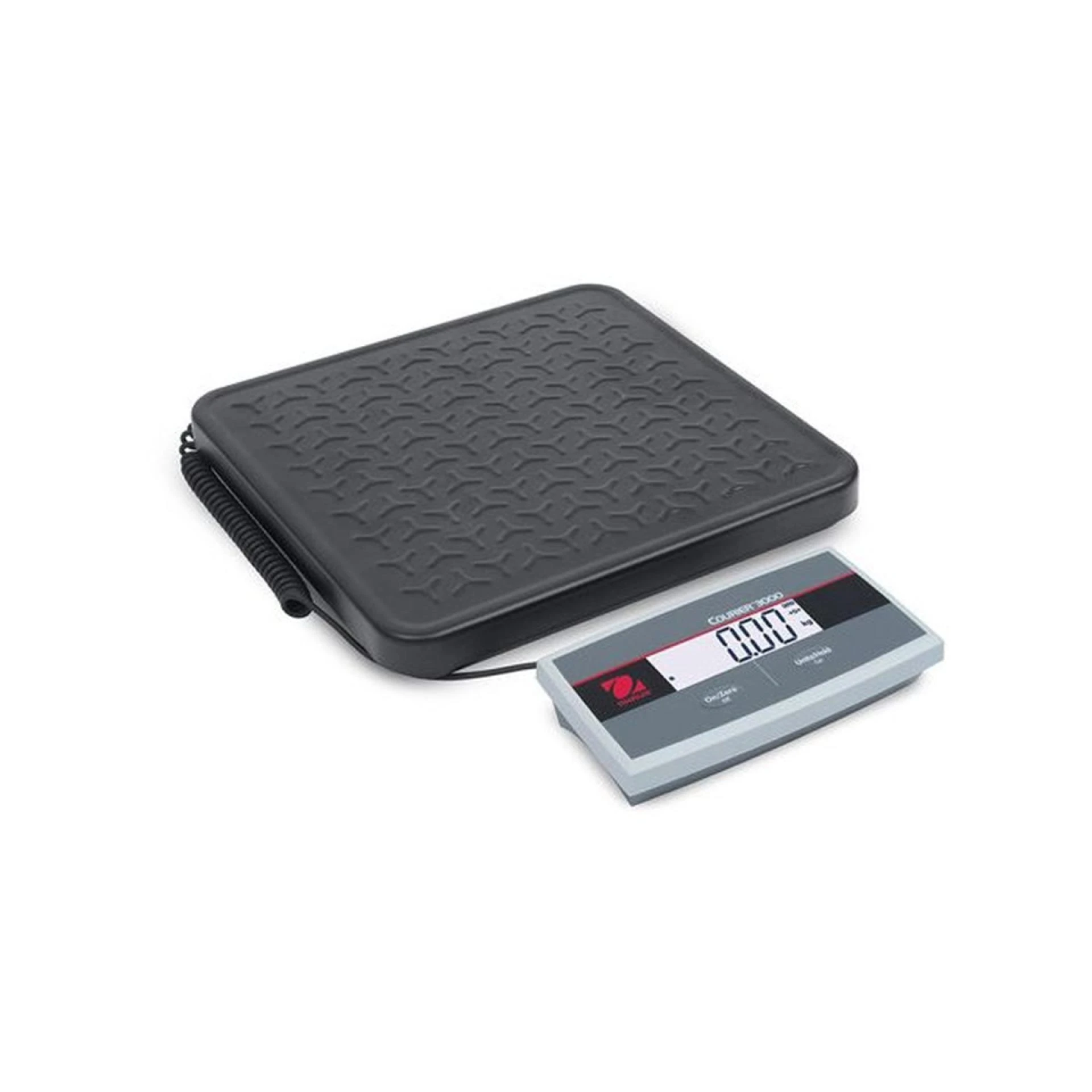

Accurate shipping weights are critical for businesses involved in logistics, warehousing, eCommerce, manufacturing, and distribution. Incorrect measurements can lead to higher freight costs, billing disputes, compliance issues, and inefficient workflows. One of the most common questions businesses face when choosing equipment is whether to invest in digital or analog shipping scales.
While both types serve the same basic purpose—measuring package weight—they differ significantly in accuracy, usability, cost, and long-term value. Understanding these differences will help you select the best option for your operational needs.
Understanding Shipping Scales
Shipping scales are designed to weigh parcels, cartons, pallets, and freight before dispatch. They ensure correct carrier charges, reduce errors, and streamline shipping processes. Depending on the industry, shipping scales may be used in conjunction with barcode scanners, shipping software, or warehouse management systems.
Shipping scales generally fall into two categories:
- Analog shipping scales, which use mechanical components
- Digital shipping scales, which rely on electronic sensors and digital displays
Let’s explore how each type works and where they perform best.
What Are Analog Shipping Scales?
Analog shipping scales operate using springs or mechanical levers. When a load is placed on the platform, the internal mechanism moves a dial or needle to indicate the weight.
Advantages of Analog Shipping Scales
1. Simple and Durable Design
Analog scales are known for their rugged construction. With fewer electronic components, they can withstand rough handling and harsh environments.
2. No Power Required
These scales do not require batteries or electricity, making them ideal for remote locations or facilities with unreliable power.
3. Lower Initial Cost
Analog shipping scales are typically more affordable upfront, making them attractive for small businesses with limited budgets.
Limitations of Analog Shipping Scales
1. Lower Accuracy
Mechanical systems are more prone to wear and tear, which can lead to inaccuracies over time.
2. Harder to Read
Reading a dial or needle can be challenging, especially in low-light environments or when precision is critical.
3. Limited Capacity for Integration
Analog scales cannot connect to shipping software, printers, or inventory systems, which limits automation.
What Are Digital Shipping Scales?
Digital shipping scales use load cells and electronic sensors to measure weight. The data is displayed on an LCD or LED screen and can often be transmitted to other systems.
Advantages of Digital Shipping Scales
1. High Accuracy and Precision
Digital scales offer significantly higher accuracy, which is crucial for calculating shipping costs and meeting carrier requirements.
2. Easy-to-Read Display
Clear digital readouts reduce the risk of human error and improve efficiency in fast-paced environments.
3. Advanced Features
Many digital shipping scales include features such as:
- Tare functions
- Unit conversion (kg, lb, oz)
- Weight hold
- Overload alerts
4. System Integration
Digital scales can integrate with shipping software, POS systems, and warehouse management systems, enabling automated data capture and improved workflow efficiency.
Limitations of Digital Shipping Scales
1. Higher Initial Investment
Digital shipping scales generally cost more than analog models.
2. Power Dependency
They require batteries or mains power, which may not be ideal in all environments.
3. Sensitivity to Environment
Some digital scales can be affected by moisture, dust, or electrical interference if not designed for industrial use.
Accuracy and Compliance Considerations
For businesses shipping high volumes or regulated goods, accuracy is non-negotiable. Many carriers charge based on dimensional weight, and even small discrepancies can result in overcharges or rejected shipments.
Digital shipping scales are better suited for businesses that:
- Ship daily or in large volumes
- Require trade-approved or NTEP-certified equipment
- Need consistent, repeatable measurements
Analog scales may suffice for low-volume operations where precision is less critical.
Cost vs. Long-Term Value
While analog scales have a lower upfront cost, digital shipping scales often deliver greater long-term value. The time saved through automation, reduced shipping errors, and improved accuracy can quickly offset the initial investment.
Digital scales also tend to require less frequent recalibration and provide better consistency over time, especially in busy warehouse environments.
Choosing the Right Scale for Your Business
The best choice depends on how your business operates.
Analog Shipping Scales Are Best For:
- Small businesses with occasional shipping needs
- Budget-conscious operations
- Remote or outdoor environments without reliable power
- Basic weighing tasks with minimal accuracy requirements
Digital Shipping Scales Are Best For:
- eCommerce businesses and fulfillment centers
- Warehouses and logistics providers
- High-volume shipping operations
- Businesses requiring system integration and automation
- Companies prioritizing speed, accuracy, and compliance
Environmental and Workplace Factors
Consider your working environment before making a decision. If your scale will be exposed to dust, moisture, or heavy handling, choose a model designed for industrial use—whether analog or digital.
For indoor, climate-controlled settings such as offices or packing stations, digital shipping scales typically offer the best performance and usability.
Final Verdict: Digital or Analog?
There is no one-size-fits-all answer when comparing digital and analog shipping scales. Analog scales remain a practical choice for basic, low-volume applications where simplicity and durability are priorities.
However, for most modern businesses, digital shipping scales are the better investment. Their superior accuracy, ease of use, and ability to integrate with business systems make them essential for improving efficiency and reducing operational costs.
By evaluating your shipping volume, accuracy requirements, budget, and future growth plans, you can choose a shipping scale that supports your business today—and scales with it tomorrow.



























Sign in to leave a comment.