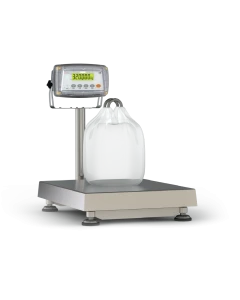

In the ever-evolving world of agriculture, precision and efficiency are increasingly vital to success. Farmers, distributors, and supply chain managers are constantly seeking ways to optimize processes, reduce waste, and increase profitability. One technology that has become indispensable in this endeavor is the digital platform scale. These rugged, high-capacity weighing systems are transforming how harvests are measured, tracked, and distributed — bringing unprecedented accuracy and operational insight to agricultural operations of all sizes.
Understanding Digital Platform Scales
At its core, a digital platform scale is a floor-mounted weighing system designed to measure heavy loads quickly and accurately. Unlike traditional analog scales, digital platform scales use strain gauge load cells and electronic indicators to provide precise digital readouts of weight. They can range in size from compact platforms suitable for small farms to expansive industrial versions capable of weighing pallets, crates, and large bins of produce.
Beyond basic weight measurement, modern digital platform scales often come equipped with features such as:
- Data logging and storage
- Wireless connectivity (Bluetooth/Wi-Fi)
- Integration with farm management software
- Remote monitoring
- Automated reporting
This combination of strength and intelligence makes them ideal for the demands of agricultural harvests.
Why Accurate Weighing Matters in Agriculture
Weight measurement is more than just a number in farming — it’s a critical metric that impacts nearly every part of the operation:
Harvest Management
Knowing the precise weight of harvested crops helps farmers:
- Assess yield performance
- Evaluate field productivity
- Allocate resources efficiently
- Forecast income and plan next planting cycles
Accurate data on crop volumes can also highlight issues such as underperforming plots, soil variability, or pest damage.
Fair Trade and Transactions
Agriculture is deeply tied to contracts and pricing structures that rely on weight:
- Buyers pay on a per-weight basis
- Insurance claims are based on documented yields
- Government subsidies and reporting often hinge on accurate harvest totals
Digital platform scales ensure transparency and fairness between growers and buyers. Mistakes or inconsistencies in weighing can lead to disputes, financial loss, or mistrust — challenges that modern scales help mitigate.
Regulatory Compliance
Many regions have strict rules governing crop reporting, transport, and sales documentation. Digital scales with timestamps, identifiers, and digital records support compliance and audit trails that are tough to dispute.
Key Benefits of Digital Platform Scales in Agriculture
1. Precision and Repeatability
Digital load cells deliver much higher accuracy compared to mechanical systems. Whether measuring leafy greens or dense grains, platform scales can consistently provide reliable results — often down to fractions of a kilogram. This precision is especially important when handling high-value crops or goods destined for export.
2. Speed and Efficiency
Traditional weighing methods (manual measurements, paperwork processing, multiple checks) can slow down harvest handling. Digital scales speed this up dramatically:
- Instant weight readings
- Automated entry into digital systems
- Reduced need for manual note-taking or transcription
A single platform scale can process dozens of loads per hour, which is vital during peak harvest periods when time is of the essence.
3. Data Integration for Smarter Decisions
One of the most transformative aspects of digital platform scales is their ability to connect with farm management software. This means:
- Harvest weights can auto-populate production dashboards
- Trends can be analyzed over time
- Reports can be generated with minimal human input
Agricultural managers can visualize yield patterns across fields, compare performance year over year, and make informed decisions based on accurate digital records.
4. Enhanced Traceability
Modern consumers and regulators demand traceability from farm to fork. With scales that tag each load with identifiers, timestamps, and weight records, every batch of produce can be tracked with precision. This is especially crucial for:
- Organic certification
- Export documentation
- Quality assurance programs
Traceability built on accurate weighing supports accountability throughout the supply chain.
5. Better Resource Allocation
Understanding exactly how much produce is harvested helps farmers plan better for:
- Storage capacity
- Transport logistics
- Labor scheduling
- Packaging requirements
For example, knowing a field yielded 12 tonnes of crop allows a farm to allocate the right number of trucks, workers, and storage space without guessing.
Applications Across the Agricultural Value Chain
Digital platform scales aren’t limited to the farm gate; they’re useful throughout the entire agricultural value chain:
Harvest Sites
At the point of harvest, scales ensure that each load brought in from the field is accurately weighed and logged. Harvest crews can keep operations moving without unnecessary delays.
Packing and Sorting Facilities
Before produce is packed or graded, it often passes over a platform scale to determine total batch weight — a key metric for pricing, sorting categories, and packing decisions.
Distribution Centers
Logistics operations rely on accurate weights for shipping documentation, freight cost calculations, and load planning. Platform scales at distribution hubs streamline these processes and reduce errors.
Wholesale and Retail Environments
Even downstream buyers benefit. Accurate delivery weights help wholesalers and retailers verify orders and ensure they’re receiving what they paid for.
Choosing the Right Digital Platform Scale for Agriculture
Not all scales are created equal, and selecting one that fits your agricultural operation is essential. Here are some key considerations:
Weight Capacity
Agricultural products can vary widely in density and volume. Choose a scale with a capacity that accommodates your largest expected loads — whether that’s crates of fruit or bulk sacks of grain.
Durability and Weather Resistance
Agricultural environments can be dusty, wet, and rough. Stainless steel platforms, sealed load cells, and protective housings ensure longevity in harsh conditions.
Connectivity and Software Compatibility
If you plan to integrate weighing data with digital farm systems, verify that the scale supports:
- Bluetooth or Wi-Fi connectivity
- Compatible data export formats
- API access for custom systems
Ease of Use
Platforms with intuitive displays, remote indicators, and minimal setup requirements save time and reduce operator errors. Touchscreen interfaces and wireless remote controls can contribute to smooth workflows during busy harvest seasons.
Future Trends and Innovations
Digital platform scales are poised for continued evolution. Some emerging trends include:
- IoT-enabled scales that transmit data in real time to centralized dashboards
- AI analytics that predict yield outcomes based on historical weight data
- Mobile-friendly interfaces for on-the-go monitoring
- Automation integration with conveyors and robotic handlers
These advancements will further deepen the role of precise weighing in agricultural decision-making.
Conclusion
Digital platform scales are no longer optional tools in modern agriculture — they are essential infrastructure for any operation that values accuracy, efficiency, and data-driven insights. By improving how harvests are weighed and tracked, these scales help farmers optimize yields, streamline distribution, ensure fair trade, and support traceability from field to market.
As agriculture continues to embrace digital transformation, the humble platform scale plays a powerful role in building smarter, more resilient, and more productive farms. Whether you operate a small organic farm or manage a large agricultural enterprise, investing in the right digital weighing solutions can pay measurable dividends — starting with your very next harvest.




















Sign in to leave a comment.