
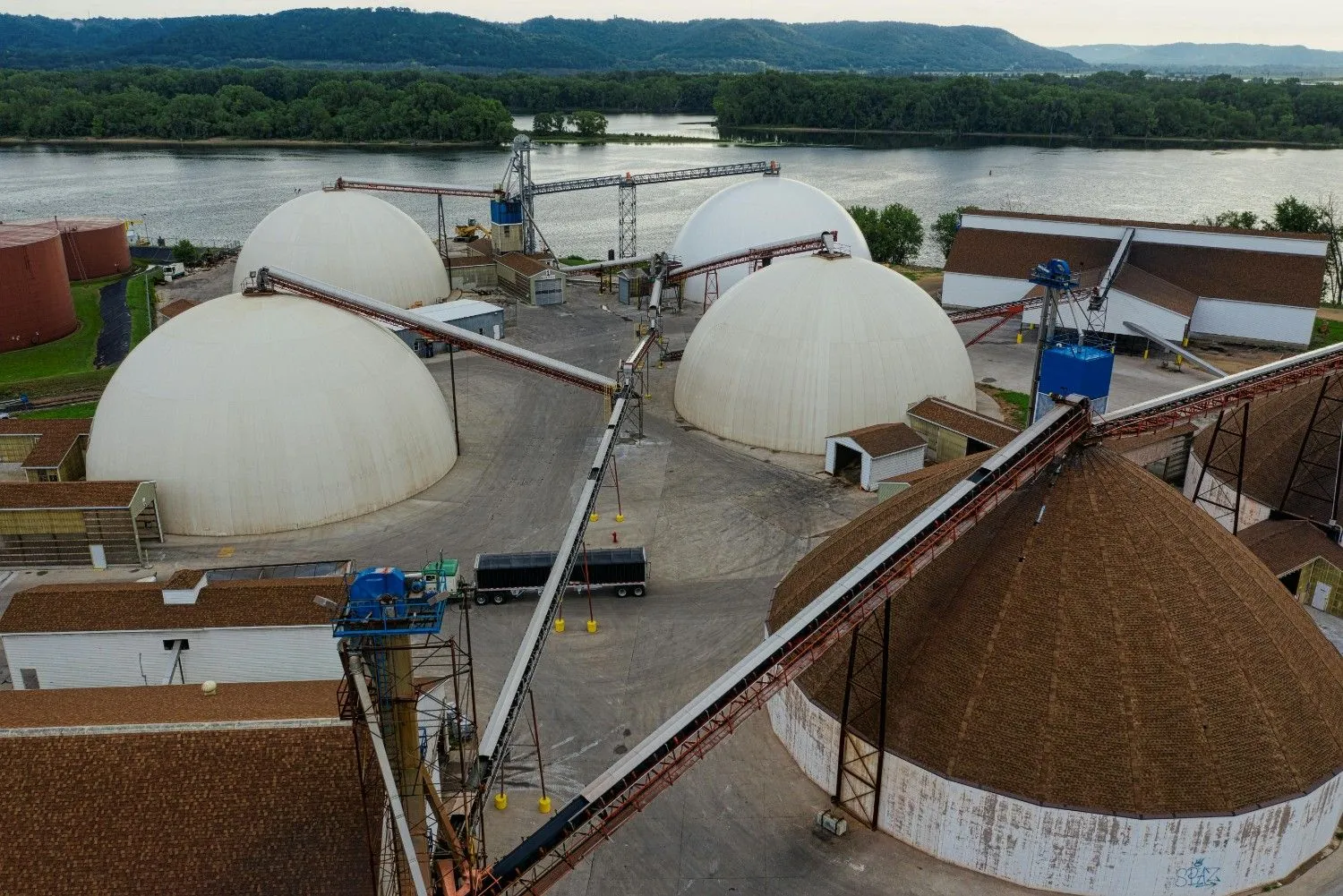
For years, people assumed that turning waste into electricity was the final destination for organic matter. That idea is now changing quickly. Farmers, municipalities, food processors, and energy companies are discovering that there is a lot more value sitting inside organic waste than just kilowatt-hours. The story of waste-to-energy has entered a new chapter, and the opportunities being unlocked are both practical and profitable.
What Is Driving This Change
Biogas, the gas produced when organic material breaks down without oxygen, has been used to generate electricity for decades. But relying solely on power generation left significant money on the table. Energy prices fluctuate. Grid access is not always guaranteed. And in many regions, the economics of selling electricity simply do not justify the cost of running a full anaerobic digestion facility.
That frustration pushed operators and investors to ask a simple question: what else can we do with this resource? The answers have been surprisingly varied and commercially strong.
Beyond Electricity: The New Revenue Layers
One of the biggest shifts has been the rise of carbon markets. Biogas facilities can generate carbon credits by capturing methane that would otherwise escape into the atmosphere. Methane is roughly 80 times more potent than carbon dioxide over a 20-year period, so preventing its release has real, measurable climate value. Several platforms now allow facility operators to sell these credits directly to corporations looking to meet their sustainability targets.
Digestate, the solid and liquid material left behind after anaerobic digestion, is another underused asset. Rich in nutrients like nitrogen, phosphorus, and potassium, processed digestate can replace synthetic fertilizers on farmland. Some facilities have started packaging and selling it commercially, creating a new income stream that costs relatively little to develop.
Heat recovery is also gaining attention. Many facilities that generate electricity lose a large portion of the energy as heat. Capturing that heat and selling it to nearby industrial users or district heating systems adds revenue without requiring major new investment.
Biomethane and the Fuel Economy
Upgrading raw gas to biomethane, a purified form that meets natural gas quality standards, has opened doors that simple power generation never could. Biomethane can be injected directly into the gas grid, sold as compressed fuel for vehicles, or liquefied for heavy transport. Fleet operators running trucks and buses are particularly interested because it offers a lower-emission fuel that works within existing engine technology.
The financial case is strong in regions where governments offer premium tariffs or certificates for renewable gas. In the United Kingdom, the Renewable Heat Incentive provided long-term payment guarantees that made biomethane projects bankable. Similar schemes exist across Europe and are expanding into other markets.
Case Study 1: Nature Energy, Denmark
Nature Energy, one of Europe's largest biogas producers, built its business around upgrading gas for grid injection rather than power generation. The company collects slurry and organic waste from hundreds of farms across Denmark and processes it at centralized facilities. By selling upgraded gas into the national grid and earning certificates for renewable production, Nature Energy achieved consistent revenue that made large-scale investment viable. The company was eventually acquired by Shell in 2023 for approximately 2 billion dollars, signaling strong commercial confidence in the model.
Case Study 2: Anaergia and the Rialto Bioenergy Facility, California
The Rialto Bioenergy Facility in Southern California processes food waste, biosolids, and green waste from multiple municipalities. The facility produces renewable natural gas that is sold as transportation fuel, earns low-carbon fuel standard credits, and generates digestate used in agricultural composting programs. The layered revenue approach, combining fuel sales, carbon credits, and material recovery, made the project financially self-sustaining and reduced the region's dependence on landfills.
The Infrastructure Opportunity
As these revenue streams multiply, the demand for supporting infrastructure is growing alongside them. Gas cleaning equipment, upgrading units, pipeline connections, and credit verification systems all represent growing markets. Entrepreneurs and established businesses alike are finding commercial opportunities in supplying the tools that biogas operators need to diversify their income.
What Is Needed to Scale
Three things tend to hold back wider adoption: policy clarity, access to capital, and technical knowledge. Operators who want to enter carbon markets or sell upgraded gas need to understand the rules, which vary by country and sometimes by region. Financing remains challenging for smaller facilities without long-term offtake agreements in place. And many operators simply lack access to the engineering and commercial expertise needed to design multi-revenue projects from the start.
Industry gatherings where operators, investors, policymakers, and technology providers come together are helping to close these gaps. The Biomethane Summit is one such platform that brings focused attention to the commercial, regulatory, and technical questions surrounding renewable gas development, allowing participants to share what is working and identify where the barriers remain.
Conclusion
The economics of organic waste are being rewritten. Power generation is no longer the whole story. Carbon credits, fertilizer sales, heat supply, transportation fuel, and grid injection are all legitimate revenue streams that are already working in the real world. Facilities that treat waste as a single-output resource are leaving value behind. Those that approach it as a portfolio of recoverable products are building businesses that are both financially resilient and meaningfully sustainable.
Frequently Asked Questions
Q1. Can small farms realistically access these new revenue streams?
Yes, though scale matters. Smaller operations often benefit from joining cooperative models where multiple farms share a centralized processing facility. This allows them to pool feedstock and share the cost of upgrading equipment, making advanced revenue streams like grid injection or carbon credits more accessible.
Q2. How are carbon credits from biogas facilities verified?
Credits are typically verified by third-party auditors using established protocols such as those developed by Verra or the Gold Standard. The process involves documenting how much methane was captured and calculating the emissions that would have occurred without the facility in operation.
Q3. Is digestate safe to use as a crop fertilizer?
When processed correctly, digestate is safe and effective as a fertilizer. Most jurisdictions require testing to confirm that pathogen levels and heavy metal concentrations fall within accepted limits before it can be applied to agricultural land.
Q4. What is the difference between biogas and the upgraded product used in vehicles?
Raw biogas contains a mix of methane, carbon dioxide, and trace gases. To use it as a vehicle fuel or inject it into the gas grid, the carbon dioxide and other impurities must be removed through an upgrading process. The resulting product has methane content comparable to conventional natural gas.
Q5. How long does it typically take for a multi-revenue biogas project to become profitable?
This varies depending on project size, location, and the revenue streams being pursued. Projects that combine grid injection with carbon credits and digestate sales tend to reach positive cash flow within five to eight years. Favorable policy support and long-term supply agreements can shorten that timeline considerably.
























Sign in to leave a comment.