

When the Sea Decides: How Offshore Wind Farms Control Downtime and Risk in Extreme Conditions
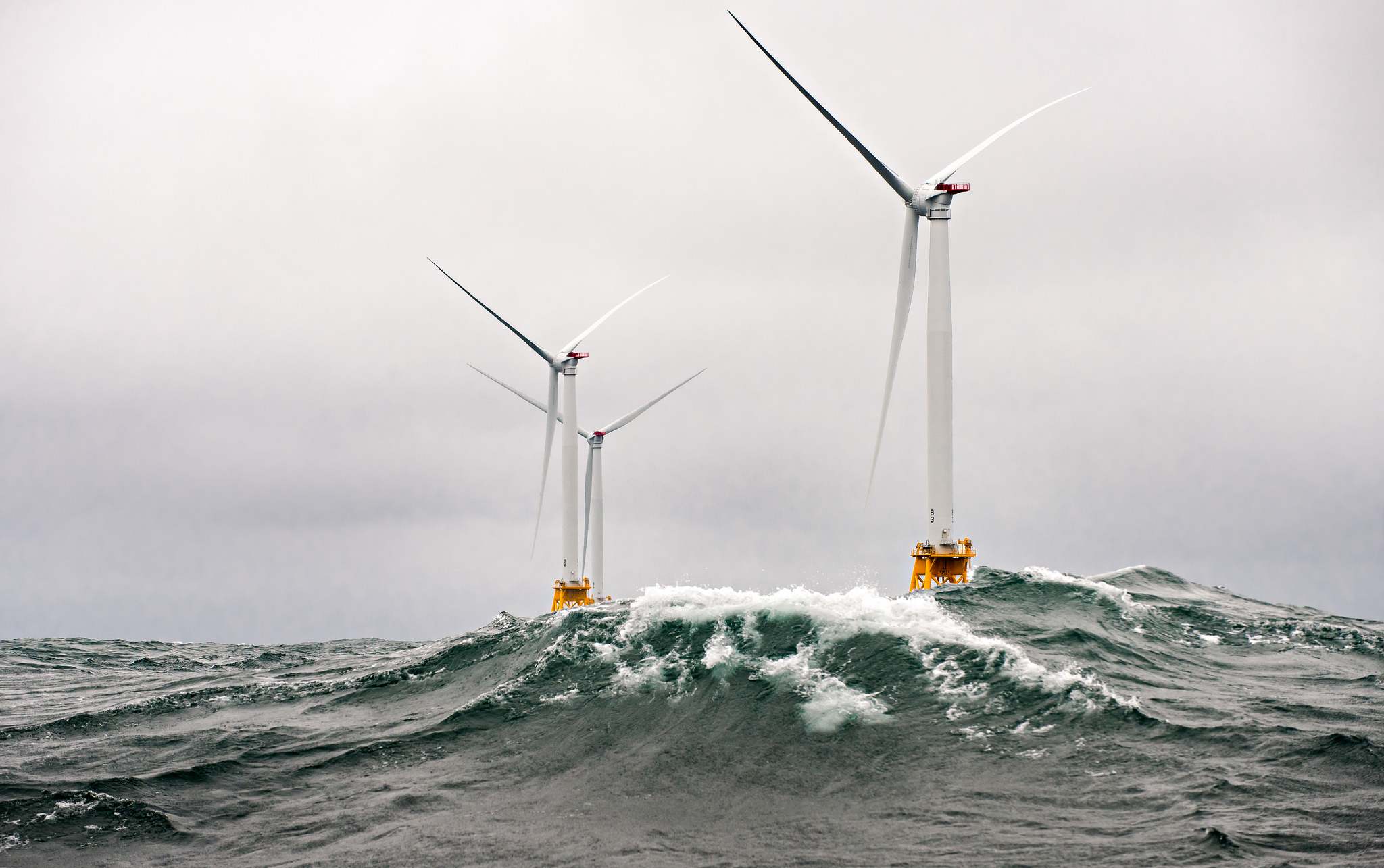
Offshore wind farms work far from shore. Waves are high. Winds shift fast. Weather can shut down work in minutes. Unlike land sites, crews cannot drive in and fix issues. Every task depends on the sea.
Harsh seas raise one key problem. Downtime. When turbines stop, power drops. When crews cannot reach sites, repairs wait. Each delay adds cost and risk.
To manage this, operators rely on planning, data, and strict safety rules. Offshore wind success now depends on how well downtime and risk are handled.
Why Harsh Seas Increase Downtime
Sea conditions decide when work can happen. High waves stop vessels from docking. Strong wind limits lifts and climbs. Poor sight blocks drone checks.
Most offshore sites allow safe access only part of the year. In winter, weather windows shrink. A failed part can sit idle for weeks.
This makes Offshore Wind Operations very different from onshore projects. Timing matters as much as tools.
Planning For Weather Windows
Weather planning is the first defense. Operators track wave height, wind speed, and swell period. Forecasts are checked daily, sometimes hourly.
Tasks are grouped by risk. Simple checks happen first. Heavy lifts wait for calm seas. Spare parts are staged close to ports to save time.
This planning cuts wasted trips. It also lowers crew risk.
Vessels Built for Rough Seas
Standard boats cannot handle offshore wind work. Special vessels fill this gap.
Crew transfer vessels use motion control to dock safely. Service operation vessels stay offshore for weeks. They act as floating bases with living space and workshops.
These ships allow crews to work when seas are rough but still safe. They reduce travel time and lost days.
Remote Monitoring Reduces Risk
Modern turbines send constant data to shore. Sensors track heat, load, and vibration. Small faults are spotted early.
Operators decide if a repair can wait. Some fixes are planned for calm seasons. Others are done fast before damage spreads.
This reduces emergency trips in bad weather. It also lowers long shutdowns.
Remote tools are now core to offshore wind maintenance strategies.
Case Study 1: Hornsea Offshore Wind, UK
Hornsea Wind Farm is one of the world’s largest offshore wind projects. Located in the North Sea, it faces strong winds and rough waves.
The operator uses service operation vessels that stay offshore for long periods. Crews live onboard and respond fast when faults appear.
By using predictive data and offshore-based teams, turbine downtime was reduced even during winter months. Fewer weather delays meant steadier power output.
Case Study 2: Dogger Bank Wind Farm, UK
Dogger Bank Wind Farm sits far from shore in deep water. Travel time alone can exceed four hours one way.
To manage risk, the project relies heavily on digital systems. Turbines are watched from shore-based control rooms. AI models flag early wear.
This allows repairs to be planned around safe access windows. Emergency visits dropped, and crew exposure to harsh seas was reduced.
Safety Rules Come First
Offshore work is high risk. Slips, lifts, and climbs happen over water.
Strict rules guide every task. Crews train for sea survival. Transfers stop when limits are crossed. No repair is worth a life.
Clear stop rules help crews make safe calls without pressure. This culture reduces accidents and delays.
Reducing Long-Term Downtime
Operators now focus on fewer failures, not faster fixes alone.
Better parts last longer. Designs allow quick swaps. Modular systems cut repair time at sea.
Some tasks move onshore. Blades and gearboxes are repaired in ports instead of offshore when possible.
Each change reduces time spent in harsh seas.
What the Future Holds
Offshore wind farms are moving farther out. Seas will get rougher. Downtime risk will rise.
New tools are coming. Drones will handle more checks. Robots may climb towers. Floating wind will change access methods.
Still, planning and safety will stay central.
FAQs
Why is downtime higher in offshore wind farms?
Weather limits access. Crews cannot work during rough seas.
How do operators plan work in harsh seas?
They track forecasts and use short weather windows.
What vessels are used for offshore maintenance?
Crew transfer vessels and service operation vessels.
Can turbines be fixed without sending crews?
Some issues are managed through remote control and data checks.
Is offshore wind maintenance risky for workers?
Yes, which is why strict safety rules guide every task.



























Sign in to leave a comment.