
As of 2025, the offshore wind energy sector has experienced remarkable growth, driven by technological advancements that have revolutionized offshore wind turbine maintenance. These innovations are enhancing efficiency, reducing costs, and ensuring the longevity of wind turbines, particularly in the emerging field of floating offshore wind.
Key Innovations in Offshore Wind Turbine Maintenance
1. Digital Twin Technology
Digital twins are virtual replicas of physical assets that allow for real-time monitoring and predictive maintenance. By simulating turbine operations, operators can detect anomalies early and address potential issues before they escalate. A 2024 study demonstrated the successful application of diagnostic digital twins in floating offshore wind turbines, detecting anomalies hours before failures occurred.
2. Robotics and Autonomous Systems
The deployment of drones and autonomous underwater vehicles (AUVs) has transformed inspection processes. These technologies enable detailed assessments of turbine blades and substructures without the need for human intervention, enhancing safety and efficiency.
3. Advanced Materials and Coatings
Innovations in materials science have led to the development of durable coatings that protect turbine components from harsh marine environments. These advancements reduce corrosion and wear, extending the lifespan of turbines and minimizing maintenance requirements.
4. Predictive Analytics and Artificial Intelligence
By analyzing data from various sensors, AI-driven predictive analytics can forecast potential failures and optimize maintenance schedules. This proactive approach reduces unexpected downtimes and operational costs.
5. Floating Offshore Wind Maintenance
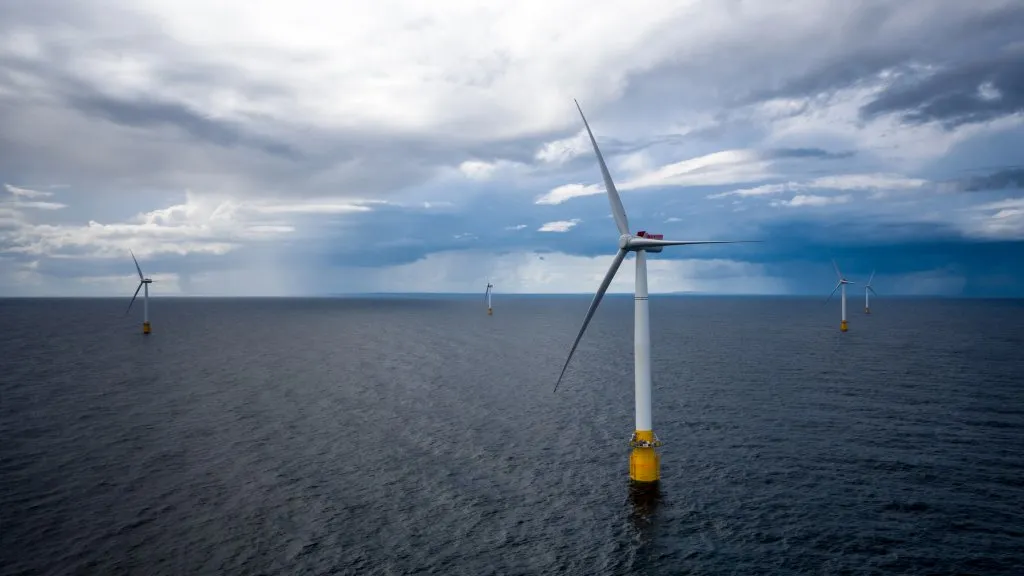
The advent of floating offshore wind technology has opened new possibilities for wind energy generation in deeper waters. Maintaining these floating structures presents unique challenges, but innovations such as dynamic mooring systems and specialized maintenance vessels are addressing these issues effectively.
Case Study: WindFloat Atlantic Project
The WindFloat Atlantic project in Portugal stands as a pioneering example in the floating offshore wind sector. Operational since 2020, it is the world's first semi-submersible floating offshore wind farm. In August 2024, Tokyo Gas acquired a 21.2% stake in the project to gain experience in the operation and maintenance of floating offshore wind technology. This investment underscores the growing importance of floating solutions in the global energy landscape.
The 4th Annual Offshore Wind Operations and Maintenance Forum
To foster collaboration and share insights on these technological advancements, the 4th Annual Offshore Wind Operations and Maintenance Forum is scheduled for March 11, 2025, in Amsterdam, Netherlands. This hybrid event will convene over 100 industry experts, including operations and maintenance professionals, developers, and suppliers. The forum aims to:
- Discuss Technical Challenges: Addressing the complexities of maintaining offshore and floating offshore wind turbines.
- Explore Innovative Solutions: Showcasing the latest technologies and methodologies in offshore wind turbine maintenance.
- Network with Industry Leaders: Providing a platform for stakeholders to exchange knowledge and collaborate on future projects.
Speakers at the event include George Walker, Lead Offshore Wind Asset Management at Arup; Leoni Elizabeth Christensen, Head of O&M Strategy at PEAK Wind; and Professor Mahmoud Shafiee, Director of Energy Resilience at the University of Surrey. Their expertise will offer valuable perspectives on the current state and future of offshore wind operations and maintenance.
Statistics Highlighting the Growth of Offshore Wind Energy
- Projected Capacity Expansion: Studies predict that by 2030, more than 205 GW of new offshore wind capacity will be added globally, including at least 6.2 GW of floating offshore wind.
- Cost Reduction: Technological advancements have significantly reduced the levelized cost of electricity (LCOE) for offshore wind, making it more competitive with traditional energy sources.
- Job Creation: The offshore wind industry is poised to create approximately 900,000 jobs over the next decade, contributing to economic growth and a green recovery.
Frequently Asked Questions
Q1: What is the significance of digital twin technology in offshore wind turbine maintenance?
Digital twin technology enables real-time monitoring and predictive maintenance by creating virtual replicas of physical turbines. This approach allows for early detection of anomalies, reducing downtime and maintenance costs.
Q2: How do floating offshore wind turbines differ from traditional fixed-bottom turbines?
Floating offshore wind turbines are designed for deeper waters where fixed-bottom structures are not feasible. They are anchored to the seabed using mooring systems, allowing them to harness wind energy in locations previously inaccessible.
Q3: What challenges are associated with maintaining floating offshore wind turbines?
Maintaining floating turbines involves unique challenges such as dynamic mooring system management, stability concerns, and the need for specialized vessels capable of operating in deeper waters.
Q4: How has artificial intelligence improved offshore wind turbine maintenance?
AI-driven predictive analytics analyze sensor data to forecast potential failures, optimize maintenance schedules, and enhance overall turbine performance, leading to reduced operational costs and increased efficiency.
Q5: What topics will be covered at the 4th Annual Offshore Wind Operations and Maintenance Forum?
The forum will cover a range of topics, including technical challenges in offshore wind maintenance, innovative solutions, digital advancements, and strategies for optimizing reliability and reducing costs in both traditional and floating offshore wind sectors.
In conclusion, the offshore wind energy sector is undergoing a transformative phase, with technological innovations playing a pivotal role in enhancing offshore wind turbine maintenance. Events like the 4th Annual Offshore Wind Operations and Maintenance Forum provide essential platforms for industry stakeholders to collaborate, share knowledge, and drive the future of sustainable energy forward.

























Sign in to leave a comment.