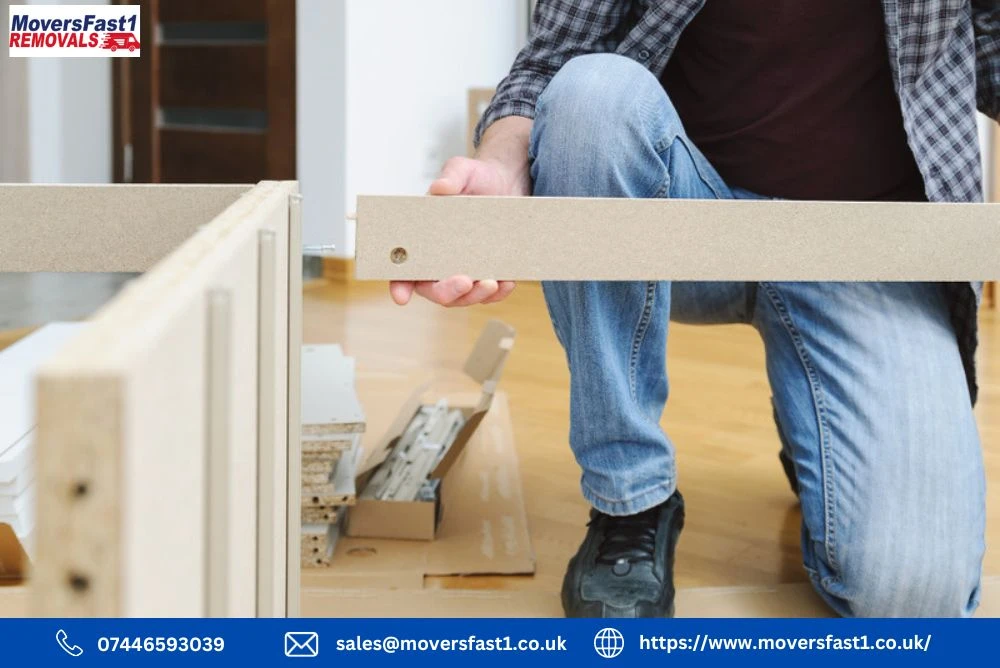

Moving can be stressful, but one way to make it easier is by mastering the art of disassembly and assembly. Whether you\'re shifting to a new home or rearranging your furniture, knowing how to take things apart and put them back together can save time, money, and a lot of headaches. In this comprehensive guide, we\'ll walk you through everything you need to know about disassembly and assembly, making the process smooth and straightforward.
Introduction
Disassembly and assembly can feel like a puzzle, but with the right approach, it can be surprisingly straightforward. Imagine moving a giant Lego set—you wouldn’t try to carry it all in one piece, right? Instead, you’d take it apart, piece by piece, and then rebuild it in its new location. That\'s exactly what we\'re going to help you do with your furniture and belongings.
Why Disassembly and Assembly Matter
Disassembling and reassembling furniture and other items isn\'t just about making them easier to move. It also helps to:
- Protect your items from damage during transport.
- Maximize space in your moving vehicle.
- Ensure safety by preventing injuries from handling large, bulky items.
Tools You Need
Before diving in, gather the essential tools. Having the right equipment can make the process much smoother:
- Screwdrivers (both flathead and Phillips)
- Allen wrenches (commonly included with flat-pack furniture)
- Pliers (for gripping and twisting)
- Rubber mallet (for gentle tapping without damage)
- Ziplock bags (for keeping screws and small parts together)
- Labels or markers (for organization)
Planning and Preparation
Preparation is key. Here\'s what you need to do before you start disassembling:
- Take Photos: Capture the item in its assembled state. These photos will serve as a reference when you’re putting it back together.
- Clear Space: Ensure you have enough room to work and lay out all parts.
- Read Manuals: If you have the assembly instructions, review them. They can offer insights into the best disassembly approach.
Step-by-Step Disassembly Guide
Disassembling furniture and other items can be broken down into a few simple steps:
- Identify Key Components: Locate screws, bolts, and other fasteners.
- Remove Cushions and Detachable Parts: Start with cushions, shelves, or any detachable elements.
- Loosen Screws and Bolts: Use the appropriate tools to carefully remove fasteners. Keep them safe in labeled bags.
- Disassemble in Stages: Work methodically, one section at a time.
Labelling and Organising Parts
To avoid confusion later, label everything:
- Use sticky notes or labels to mark parts.
- Number the parts if necessary, especially for complex items.
- Group similar items together, like screws or bolts from the same piece of furniture.
Transporting Disassembled Items
Once everything is disassembled, the next step is transport:
- Wrap parts in moving blankets or bubble wrap to prevent damage.
- Use sturdy boxes for smaller parts and fasteners.
- Load strategically: Place heavier items on the bottom and lighter ones on top.
Step-by-Step Assembly Guide
Assembling items in your new location can be tackled in reverse order:
- Refer to Photos and Labels: Use your pre-move photos and labels as guides.
- Reassemble in Stages: Start with the main structure and add smaller parts.
- Secure Fasteners: Tighten screws and bolts, ensuring everything is stable.
Common Challenges and Solutions
Disassembly and assembly can sometimes be tricky. Here’s how to handle common problems:
- Missing Instructions? Check online for manuals or guides.
- Lost Screws? Keep spares or visit a hardware store for replacements.
- Stuck Parts? Use a rubber mallet or lubricant to loosen them gently.
Tips for Success
Make the process smoother with these tips:
- Stay organised: Keep parts and tools neatly arranged.
- Work with a buddy: Extra hands can make heavy lifting and complex tasks easier.
- Take breaks: Avoid frustration by taking regular breaks.
Hiring Professionals
Sometimes, it\'s best to call in the experts:
- Professional movers: They have the experience and tools to handle large items efficiently.
- Assembly services: If you’re short on time, hiring professionals can be a lifesaver.
Safety Precautions
Safety first! Here’s how to stay safe:
- Lift with your legs: Protect your back by using proper lifting techniques.
- Wear gloves: Protect your hands from sharp edges and splinters.
- Use tools correctly: Avoid accidents by using the right tool for the job.
Environmental Considerations
Think green when you move:
- Recycle packing materials: Use eco-friendly packing options.
- Donate unwanted items: Instead of throwing away, consider donating.
Conclusion
Disassembly and assembly don’t have to be daunting. With a bit of preparation, the right tools, and a systematic approach, you can make the process as smooth as possible. Remember, it\'s like a giant puzzle—take your time, follow the steps, and soon you\'ll have everything in its right place.
Frequently Asked Questions (FAQs)
1. What are the best tools for disassembly and assembly?
The best tools include screwdrivers, Allen wrenches, pliers, a rubber mallet, ziplock bags, and labels.
2. How can I keep track of all the screws and small parts?
Use ziplock bags and labels to keep all screws and small parts organized and easy to find.
3. What should I do if I lose the assembly instructions?
Check the manufacturer\'s website or search online for the specific item’s assembly manual.
4. Is it worth hiring professionals for disassembly and assembly?
Yes, especially for large, complex items or if you’re short on time. Professionals can ensure everything is done correctly and efficiently.
5. How can I ensure safety during disassembly and assembly?
Lift with your legs, wear gloves, and use tools correctly to avoid injuries. Take your time and don’t rush the process.



























Sign in to leave a comment.