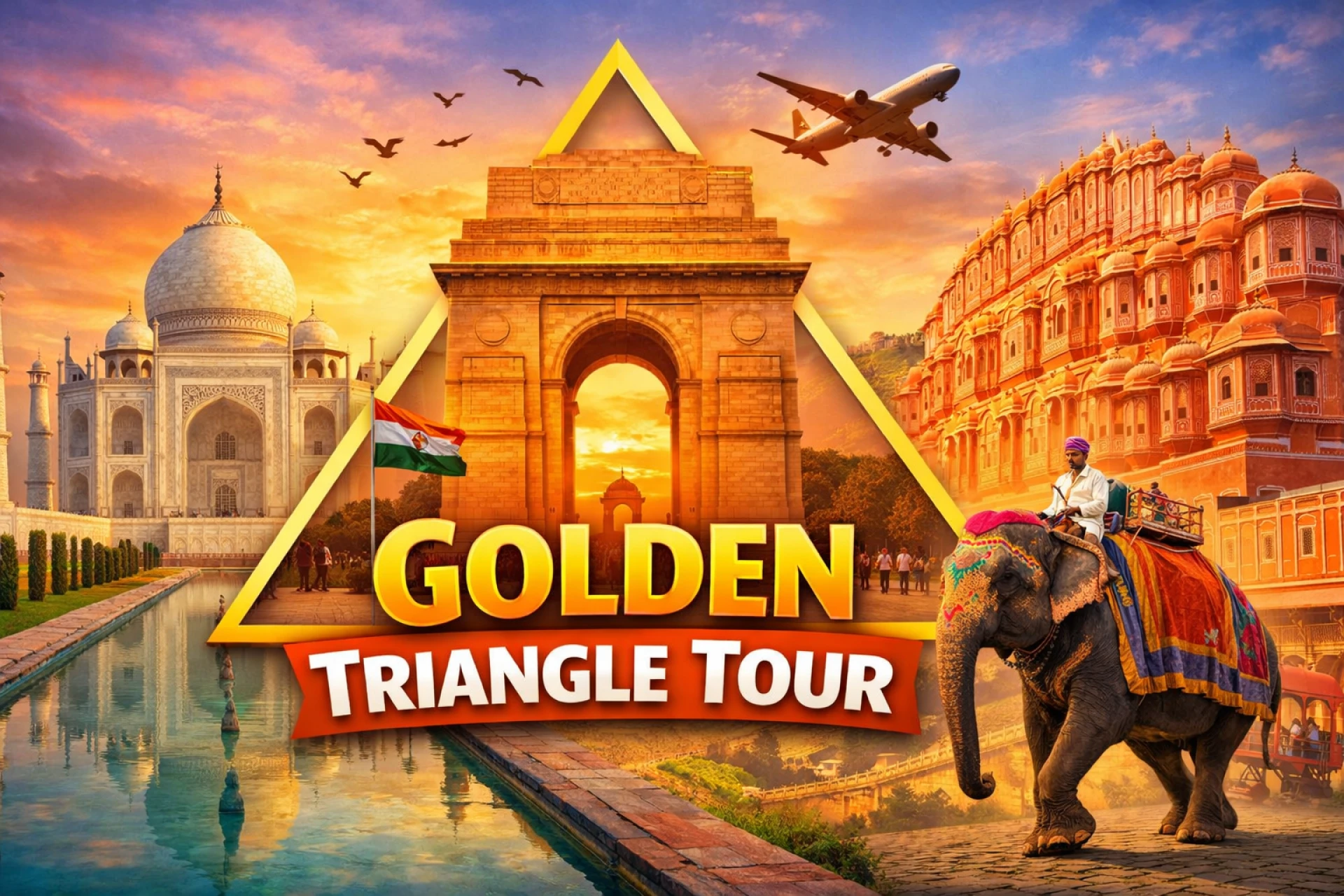
India’s Heritage is a vast tapestry of history, art, and spirituality, but nowhere is it more accessible than through the Golden Triangle circuit. This legendary route connects Delhi, Agra, and Jaipur, forming a literal triangle on the map of Northern India. For first-time visitors and seasoned travelers alike, this journey offers a concentrated dose of the country’s most iconic landmarks, from the chaotic charm of Old Delhi to the ivory-white splendor of the Taj Mahal and the royal pink avenues of Jaipur.
Covering a distance of roughly 720 kilometers, the circuit is popular because it allows travelers to witness the dramatic transition between the Mughal influence of the north and the Rajput valor of the desert state. Whether you are a history buff, a photography enthusiast, or someone seeking a deep cultural immersion, this guide will help you navigate the wonders of this historic trail.
Starting the Journey in Delhi
The journey typically begins in the national capital, Delhi, a city where the medieval past and the hyper-modern present live side by side. Delhi is divided into two distinct parts: Old Delhi and New Delhi, each offering a completely different sensory experience.
In Old Delhi, the 17th-century Red Fort stands as a massive reminder of the Mughal Empire's power. Nearby, the Jama Masjid, one of the largest mosques in India, offers a peaceful escape from the bustling narrow lanes of Chandni Chowk. Navigating these markets is an adventure in itself, filled with the aroma of street food and the vibrant colors of traditional textiles.
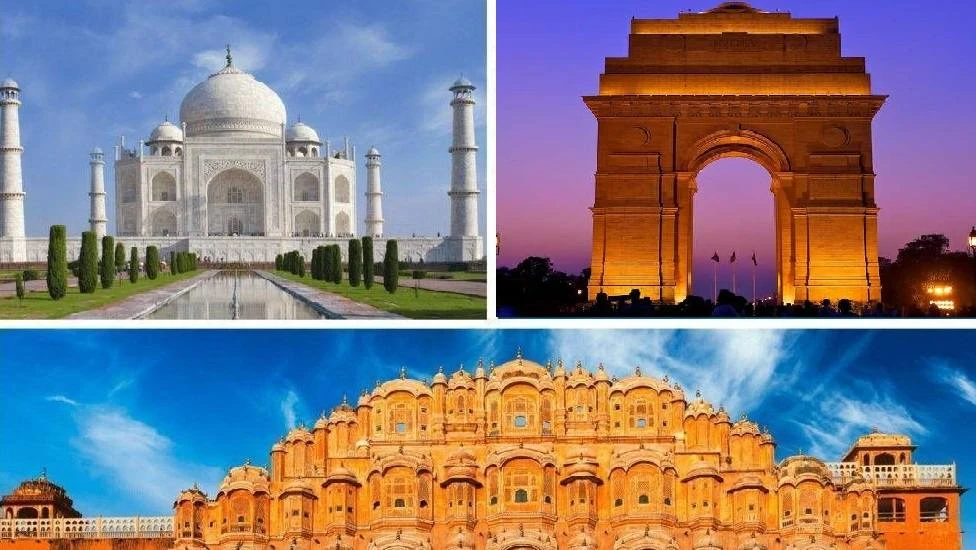
In contrast, New Delhi features wide, tree-lined boulevards and monumental architecture from the British era. The India Gate, Rashtrapati Bhavan, and the towering Qutub Minar provide a sense of the scale and ambition that have shaped India over the centuries. To truly capture the essence of the capital without the stress of logistics, many travelers opt for curated golden triangle tours from delhi, which ensure a seamless transition between these sprawling historical sites.
Agra and the Eternal Beauty of the Taj Mahal
Leaving the capital behind, the next stop is Agra, the former heart of the Mughal Empire. While Agra is a bustling city, it is defined by a single, breathtaking monument: the Taj Mahal. Built by Emperor Shah Jahan in memory of his beloved wife Mumtaz Mahal, this white marble mausoleum is widely considered the finest example of Mughal architecture in the world.
To experience the Taj Mahal at its best, most experts recommend visiting at sunrise. As the light changes from soft greys to golden pinks, the marble reflects the sky, creating an ethereal glow that no photograph can truly capture. However, Agra’s heritage extends beyond this world-famous site. The Agra Fort, a UNESCO World Heritage site made of red sandstone, offers a fascinating look into the daily lives of the emperors, featuring ornate palaces, audience halls, and a distant view of the Taj across the Yamuna River.
The Royal Splendor of Jaipur
The final leg of the triangle brings you into the heart of Rajasthan. Jaipur, known as the "Pink City," was founded by Maharaja Sawai Jai Singh II and is famous for its grid-like city planning and rose-colored buildings. Here, the rugged hills are topped with formidable forts, while the city streets are alive with artisans and jewelers.
The Amber Fort is the highlight of Jaipur, perched high on a hill and accessible via a winding path. Inside, the Sheesh Mahal (Mirror Palace) showcases incredible craftsmanship, with thousands of tiny mirrors reflecting light to illuminate the royal chambers. In the city center, the Hawa Mahal, or "Palace of Winds," stands with its unique honeycomb facade, designed to allow royal ladies to observe street festivals without being seen.
To make the most of this vibrant destination, Rajasthan Tour Services provides expert local insights and personalized itineraries. Their deep connection to the region ensures that travelers don't just see the monuments but also understand the living traditions and hospitality that define the Land of Kings.
Planning Tips for a Seamless Experience
Timing and logistics are key to enjoying the Golden Triangle. The best time to visit is during the cooler months, from October to March, when the weather is pleasant for outdoor exploration. During the summer, temperatures can be extreme, making midday sightseeing difficult.
Connectivity between the three cities is excellent, with high-speed trains like the Gatimaan Express and well-maintained expressways for those who prefer private cars. While it is possible to rush through the circuit in three or four days, a five-to-seven-day itinerary is recommended to truly soak in the atmosphere of each city. Engaging a professional service like Rajasthan Tour Services can help manage these transitions, allowing you to focus on the history and beauty of the surroundings rather than the complexities of local transport.
Embracing India’s Living Heritage
The Golden Triangle is more than just a list of monuments; it is an introduction to the soul of India. It is found in the craftsmanship of a hand-knotted rug in Jaipur, the spice-laden air of a Delhi market, and the quiet reflection of the sun on the marble of the Taj Mahal. By following this route, you witness the stories of empires that rose and fell, leaving behind a legacy that continues to inspire the world today.


























Sign in to leave a comment.