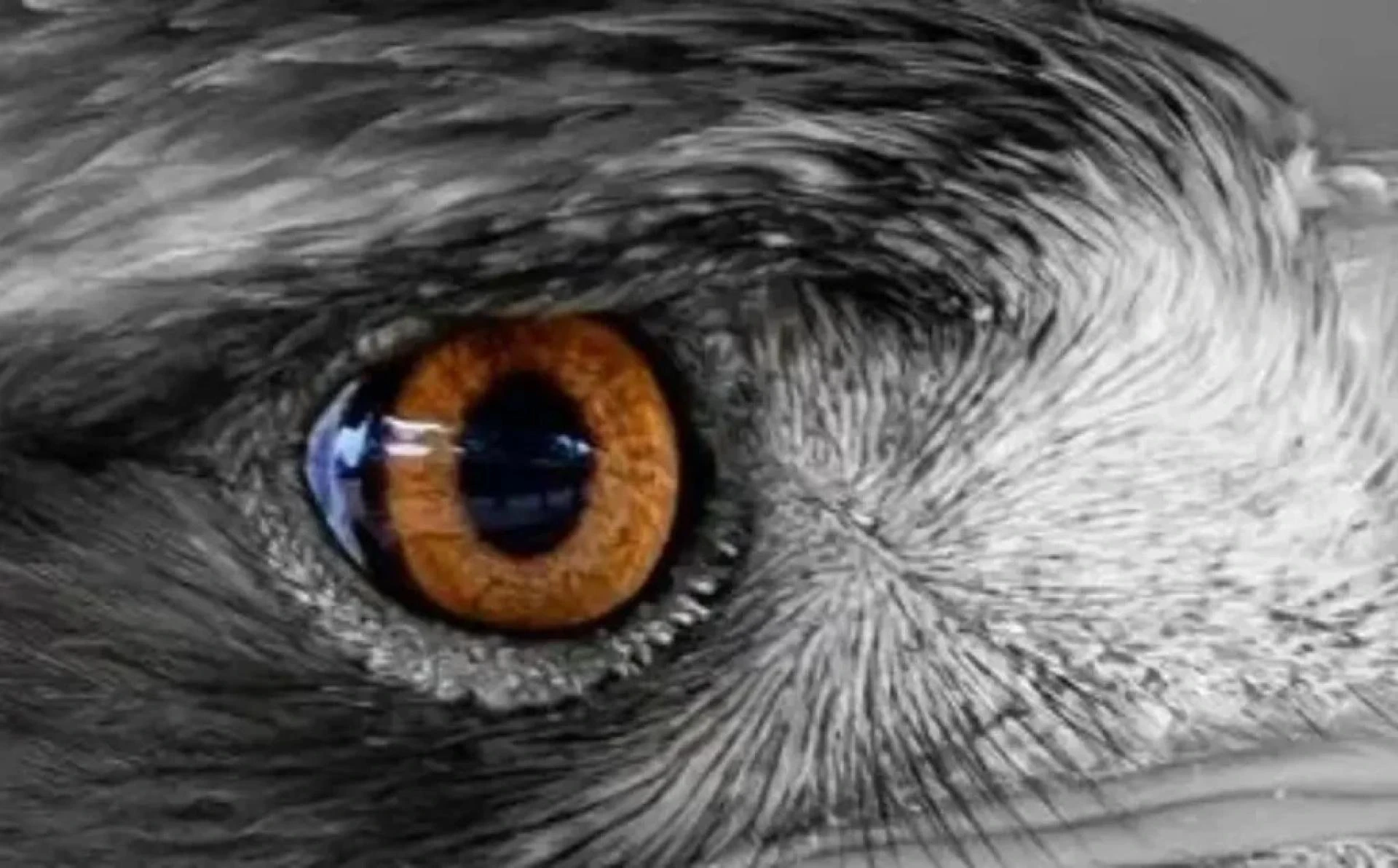

Few birds are as instantly recognizable as the toucan. With its oversized, brightly colored bill and playful personality, the toucan has become one of the most iconic symbols of tropical rainforests around the world. But there is much more to this remarkable bird than meets the eye. Let’s take a deeper journey into the world of toucans, from their habits and habitat to the science behind their strange and wonderful features.
What Is a Toucan?
Toucans belong to the Ramphastidae family, a group of vibrant birds found mainly in Central and South America’s tropical forests. There are around 50 different toucan species, each with its own unique bill colors and patterns. These include popular varieties like the Toco Toucan, known for its striking orange beak, and the multicolored Keel-billed Toucan.
That Famous Toucan Bill
You cannot talk about toucans without mentioning their famous beak. These giant beaks are often one-third the size of the bird’s body, yet surprisingly lightweight thanks to a honeycomb-like structure made of keratin, the same material as our fingernails. Though it looks heavy, the bill helps the toucan:
- Reach fruit on branches too thin for its weight
- Peel and handle food with ease
- Regulate body temperature by releasing heat through the surface of the bill, acting like a natural air conditioner
Scientists also think the bill plays a role in courtship displays and species recognition, helping toucans stand out in dense rainforest foliage.
A Fruity Feast and More
While fruit makes up the bulk of a toucan’s diet, these birds are true opportunists. In addition to figs, berries, and papaya, toucans may also snack on:
- Insects
- Lizards and frogs
- Eggs or even tiny nestlings when food is scarce
Their eating habits make them key seed dispersers in the rainforest. Seeds they swallow often pass through their digestive tract and are deposited far from the parent tree, helping the forest regenerate.
Life in the Canopy
Toucans are social creatures. They usually live in small groups or flocks, hopping through the treetops more often than flying long distances. Their calls are not the melodic songs you might expect. Instead, they emit loud croaks, grunts, and snoring sounds, sometimes compared to frogs.
When it comes to breeding:
- They nest in tree cavities, often using abandoned woodpecker holes
- Females lay 2 to 4 glossy eggs, incubated by both parents
- Chicks are born nearly bare-billed, with their famous beak growing as they mature
Conservation
While some toucan species like the Toco are still relatively common in the wild, others are facing increasing pressure from habitat loss and the illegal pet trade. Rainforest destruction continues to shrink the spaces where these birds live and thrive.
The Toucan in Popular Culture
You might recognize the toucan from animated films like Rio, where the charismatic bird Rafael helped bring this species into popular culture and inspired many people around the world to learn more about these tropical birds.
Final Thoughts
From its dazzling bill to its vibrant tropical home, the toucan is one of nature’s most fascinating creations. These birds are not just eye-catching icons, they are important members of the rainforest ecosystem, helping plants spread and forests flourish.
Want to see one in person? Look to the lush rainforests of Central and South America, where toucans still hop, squawk, and thrive high above the forest floor.




























Sign in to leave a comment.