
The digital marketing landscape has reached a critical inflection point. For years, businesses built their entire online strategy around a single pillar: Google search traffic. While organic search remains valuable, relying exclusively on one traffic source has become dangerously shortsighted. The evolution of search behavior, the rise of AI-powered platforms, and changing consumer preferences demand a fundamental shift in how organizations approach their digital presence.
The Diminishing Returns of Google-Only Strategies
Google's dominance in search continues, but the nature of that dominance has transformed dramatically. Zero-click searches now account for over 60% of all queries, meaning more than half of your potential audience finds answers without ever visiting your website. AI Overviews appearing in search results further reduce click-through rates, while increased competition for remaining clicks drives advertising costs higher each quarter.
This reality doesn't diminish Google's importance—it amplifies the urgent need for diversification. Businesses that concentrate all their digital marketing efforts on a single platform expose themselves to algorithm changes, policy updates, and competitive pressures that can devastate traffic overnight. The solution isn't abandoning Google; it's building a resilient multi-channel presence that reduces dependency on any single source.
Understanding Modern Consumer Behavior
Today's consumers don't follow linear paths to purchase decisions. They discover brands on social media, research products through video content, seek recommendations in online communities, and validate choices through peer reviews—often without touching a traditional search engine until late in their journey.
Research from multiple industry sources confirms this shift. Younger demographics increasingly turn to platforms like TikTok and Instagram for discovery rather than starting with Google searches. Professional audiences engage extensively on LinkedIn, while niche communities thrive on Reddit, Discord, and specialized forums. Each platform serves distinct purposes in the consumer journey, and successful businesses meet audiences where they naturally congregate.
This behavioral shift requires marketers to reconsider fundamental assumptions. Traffic volume matters less than traffic quality and diversity. A thousand visitors from varied sources often convert better than ten thousand from a single channel because diverse traffic represents multiple touchpoints and trust-building opportunities across the customer journey.
Emerging Platforms Reshaping Digital Discovery
The social media landscape has experienced remarkable evolution beyond the traditional giants. Alternative platforms like Bluesky, Threads, and Mastodon have emerged as meaningful alternatives to established networks, each attracting specific audience segments seeking different community experiences.
Bluesky, positioning itself as a decentralized alternative to traditional social networks, has gained significant traction among early adopters and tech-savvy professionals. Threads leveraged Instagram's massive user base to launch with unprecedented momentum, creating new opportunities for brand visibility. These platforms represent more than trends—they signal fundamental changes in how people prefer to consume and share content online.
For businesses, this proliferation of platforms creates both challenges and opportunities. Rather than attempting presence everywhere, strategic diversification involves identifying where your specific audience spends time and investing resources accordingly. A B2B software company might prioritize LinkedIn and emerging professional networks, while a consumer brand targeting younger demographics should establish strong presence on TikTok, Instagram, and newer visual platforms.
Building Authority Through Content Distribution
Content marketing extends far beyond publishing blog posts and hoping for organic traffic. Modern content strategies embrace multi-format distribution across varied platforms, with each piece optimized for its specific channel while maintaining consistent brand messaging.
Video content continues its dominance across platforms. YouTube remains the second-largest search engine globally, while short-form video on TikTok, Instagram Reels, and YouTube Shorts captures attention spans and drives engagement rates traditional content struggles to achieve. Audio content through podcasts creates intimate connections with audiences during commutes and workouts, occupying mental space competitors can't access.
Email marketing, often dismissed as outdated, delivers some of the highest ROI of any channel when executed strategically. Building owned audiences through newsletters creates direct communication channels immune to algorithm changes or platform policy shifts. When social media accounts get suspended or search rankings drop, your email list remains intact—a crucial insurance policy in an unpredictable digital landscape.
The key to successful content distribution lies in adaptation rather than duplication. Simply cross-posting identical content across platforms wastes opportunities. Each platform has unique content consumption patterns, audience expectations, and algorithm preferences. Content that performs exceptionally on LinkedIn might fail completely on TikTok, not because the message lacks value but because the format doesn't match platform norms.
Leveraging Community-Driven Platforms
Online communities represent some of the most valuable yet underutilized traffic sources. Reddit's diverse subreddits, Quora's question-and-answer format, and industry-specific forums host engaged audiences actively seeking information and recommendations. Unlike passive social media scrolling, community members participate with intent, making them highly qualified prospects when approached authentically.
Success in community marketing requires genuine participation rather than promotional tactics. Communities quickly identify and reject obvious marketing efforts, but they embrace helpful contributions from knowledgeable members. Businesses that invest time answering questions, sharing expertise, and contributing value without constant self-promotion build reputation and trust that translates into sustainable traffic and conversions.
Discord servers, Slack communities, and other group communication platforms have evolved into powerful marketing channels, particularly for B2B companies and niche consumer brands. These spaces facilitate direct conversation between brands and customers, creating feedback loops that improve products while building loyal advocate bases. The intimacy of these platforms enables relationship-building impossible through traditional broadcast marketing.
The Role of Paid Advertising Beyond Google Ads
While organic diversification forms the foundation of resilient digital presence, paid advertising across multiple platforms accelerates growth and reduces risk. Google Ads remains valuable but should comprise just one component of a balanced paid strategy that includes social media advertising, display networks, and emerging platforms.
Facebook and Instagram advertising offers sophisticated targeting capabilities that complement search-based advertising's intent-driven approach. LinkedIn advertising reaches professional audiences with exceptional precision, while TikTok and Snapchat provide access to younger demographics increasingly difficult to reach through traditional channels. Each platform serves different goals within comprehensive marketing strategies.
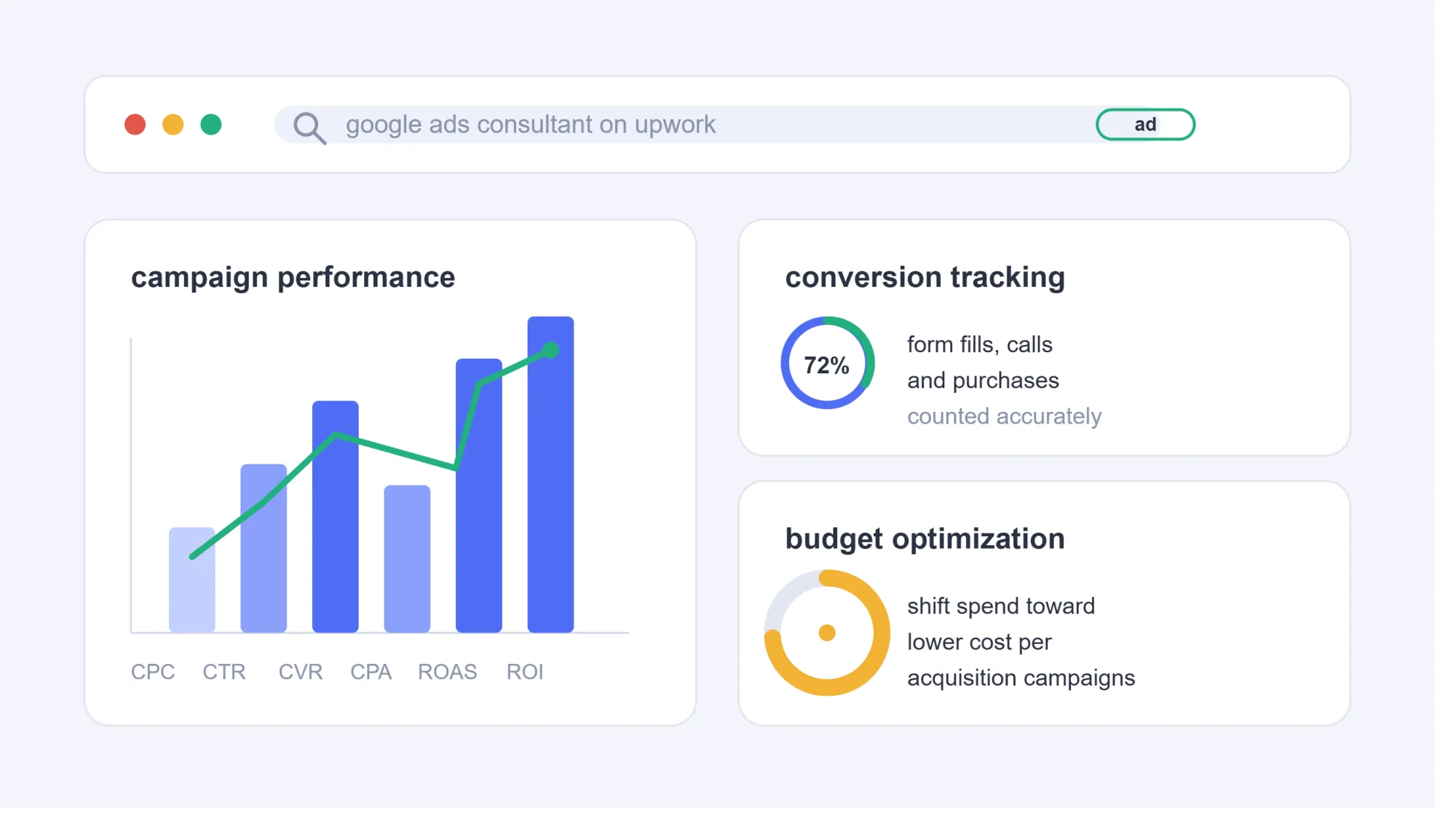
Programmatic advertising through display networks extends reach beyond owned properties, while native advertising platforms enable content promotion within premium publisher environments. Diversifying paid spending protects against platform-specific changes while providing comparative data that reveals which channels deliver strongest returns for your specific business model and target audience.
Many businesses working with a professional digital marketing company discover that expert management of multi-platform paid campaigns delivers significantly better results than focusing resources exclusively on Google Ads. Agencies bring platform-specific expertise, creative capabilities, and analytical frameworks that maximize return across diverse advertising channels.
Developing Owned Media Properties
The most reliable traffic sources are those you control completely. Your website forms the foundation, but owned media extends to email lists, mobile applications, SMS subscriber bases, and other direct communication channels where you own the relationship with your audience.
Building these owned properties requires patience and consistent investment. Growing an email list to ten thousand engaged subscribers takes time, but those subscribers represent an asset unaffected by external platform changes. When algorithm updates destroy organic reach or advertising costs spike, owned audiences provide stability and consistent access to your customer base.
Content hubs, resource centers, and interactive tools on your website create destinations worth visiting repeatedly regardless of how visitors initially discover you. By providing genuine value through tools, calculators, templates, or comprehensive resources, businesses give audiences reasons to bookmark sites, share links, and return regularly—reducing dependence on third-party platforms for every interaction.
Measuring Success Across Multiple Channels
Diversified digital presence requires evolved analytics approaches. Traditional metrics focused heavily on traffic volume and source attribution, but modern measurement must account for multi-touch customer journeys spanning numerous platforms before conversion occurs.
Attribution modeling helps understand how different channels contribute to conversions even when they don't receive last-click credit. A customer might discover your brand through Instagram, research via YouTube, validate through Reddit reviews, and finally convert through a Google search—yet single-source attribution would credit only that final search, dramatically undervaluing the earlier touchpoints.
Customer lifetime value metrics reveal which traffic sources produce most valuable long-term relationships rather than simply which generate highest initial conversion rates. Visitors from content marketing and community participation often exhibit higher engagement and retention than those from paid search, even if initial conversion rates appear lower.
The Strategic Advantage of Professional Expertise
Executing truly diversified digital strategies requires specialized knowledge across numerous platforms, each with unique best practices, algorithm considerations, and content requirements. Most organizations lack internal bandwidth to develop and maintain expertise across this expanding landscape while simultaneously running their core business.
Partnering with an experienced digital marketing company provides access to specialists across SEO, social media, content marketing, paid advertising, and emerging platforms without the overhead of building large internal teams. Agencies bring insights from working across multiple clients and industries, identifying successful tactics and avoiding costly mistakes that come from learning through trial and error.
The right agency partner doesn't simply execute tactics—they develop strategic frameworks aligned with business goals, coordinate activities across channels to create synergistic effects, and continuously optimize based on performance data. This strategic perspective proves especially valuable when navigating the complexity of modern multi-platform marketing.
Practical Steps Toward Diversification
Begin diversification by auditing current traffic sources and identifying dangerous concentrations. If more than 60% of your traffic originates from a single source, you're vulnerable. Start by selecting two or three additional channels most likely to reach your target audience based on demographic data and platform usage patterns.
Develop platform-specific content strategies rather than attempting to replicate identical content everywhere. Understand what performs well on each platform, study successful accounts in your industry, and create content that feels native to each environment while maintaining consistent brand voice and messaging.
Allocate resources realistically. Effective multi-platform presence requires commitment—sporadic posting and inconsistent engagement waste effort without building meaningful presence. Better to excel on three platforms than maintain mediocre presence on ten. Quality and consistency outperform breadth and inconsistency.
Conclusion: Building for Long-Term Resilience
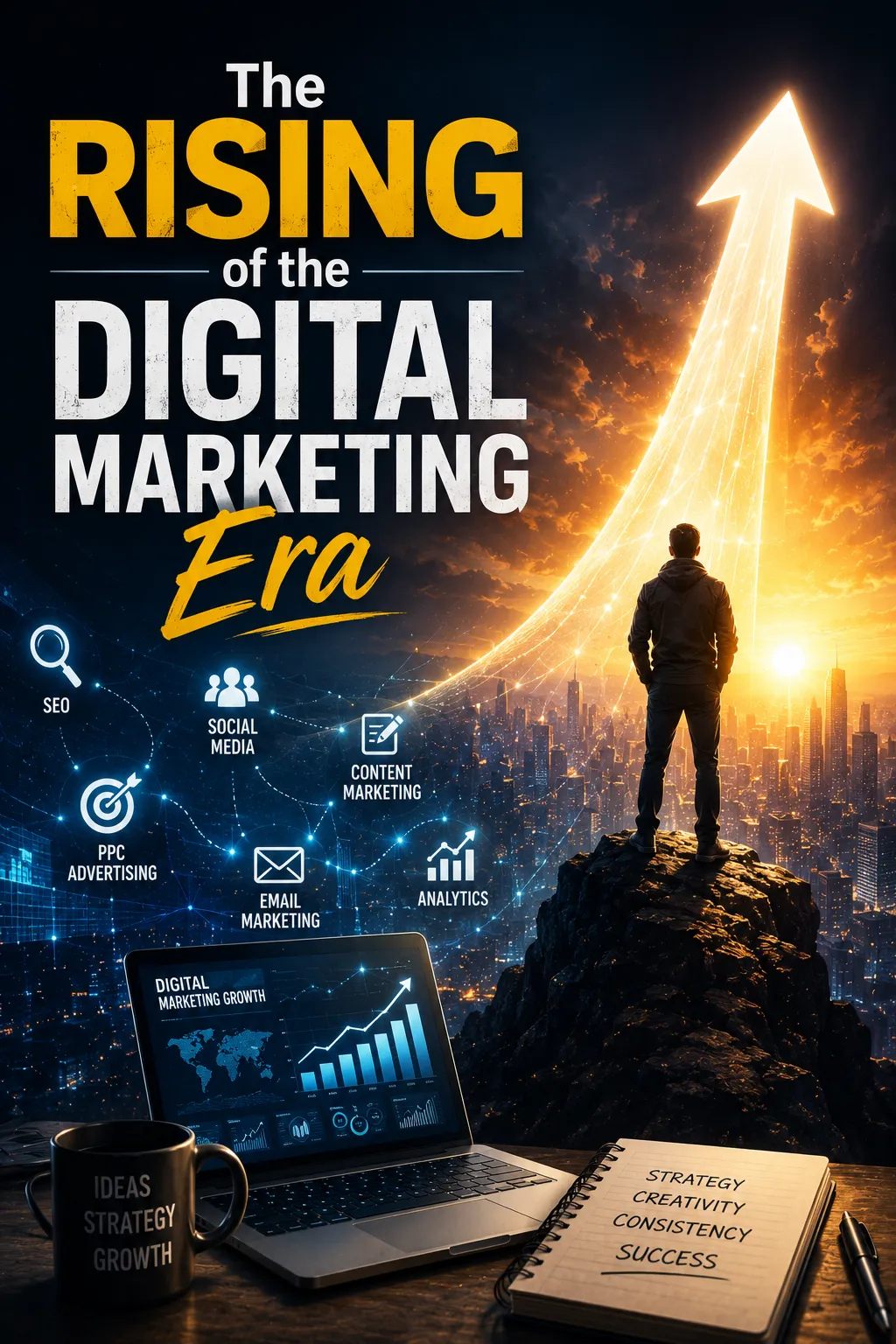
The digital landscape will continue evolving, with new platforms emerging and existing ones transforming. Businesses that build diversified digital presence position themselves to adapt to these changes rather than being victimized by them. Google traffic remains valuable, but it represents just one component of comprehensive digital strategy designed for sustainability and growth.
Success in 2025 and beyond belongs to organizations that meet audiences across multiple touchpoints, build owned media assets providing independence from platform changes, and maintain flexibility to shift resources as consumer behavior evolves. The time to diversify is now—waiting until algorithm changes or policy updates force your hand leaves you scrambling to rebuild from positions of weakness rather than expanding from positions of strength.
Start today by identifying your highest-priority diversification targets and taking concrete steps toward multi-platform presence. Your future business sustainability depends on it.



























Sign in to leave a comment.