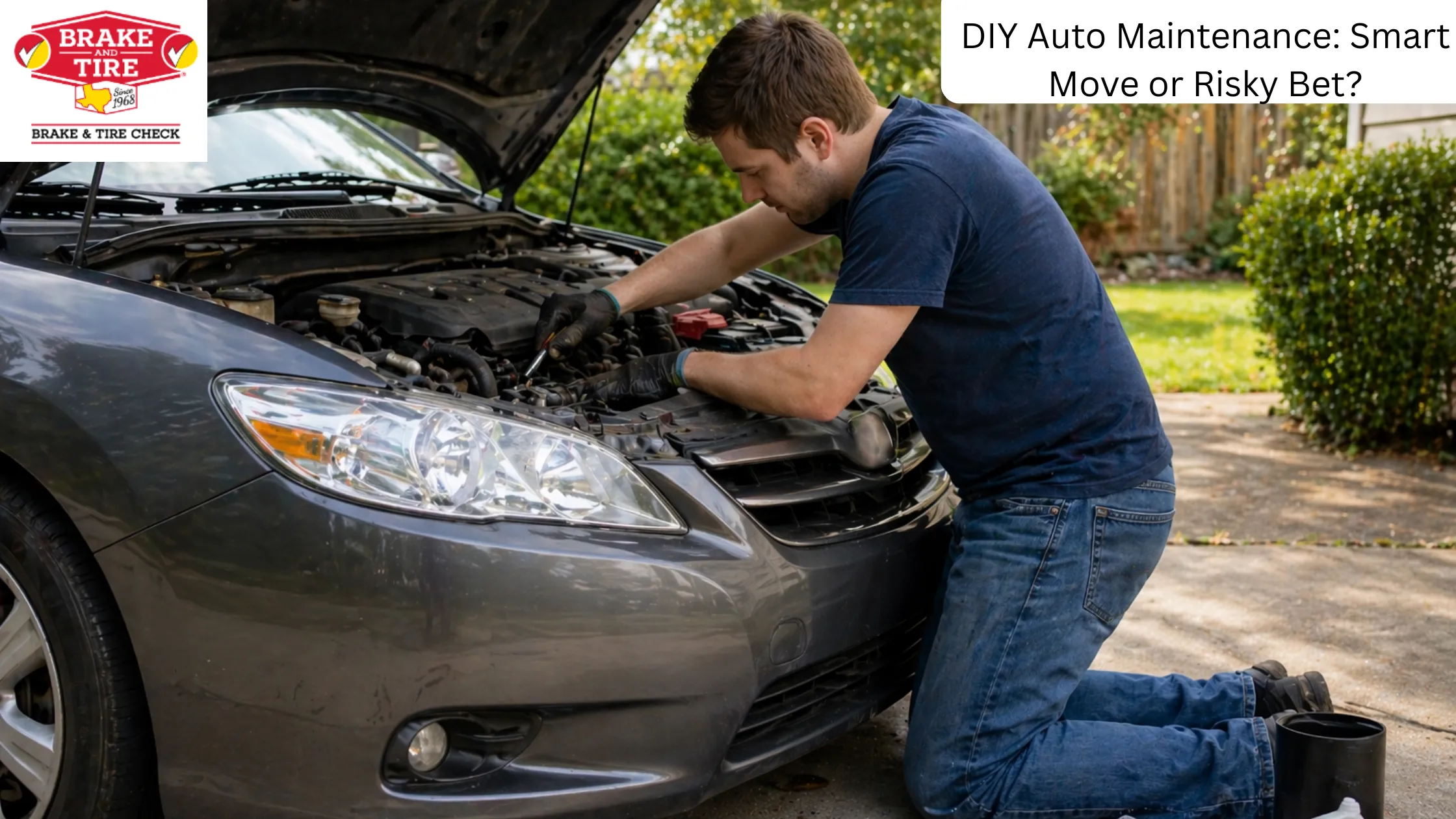

Have you ever considered skipping the mechanic and doing your own auto maintenance? You're not the only one. Many vehicle owners do this to save money and become more involved in the process. For people in the Houston area, with some good instructions, automobile brakes repair or oil changes become much more feasible .
The real question is: Is DIY auto maintenance worth it? Or, are you creating a larger problem for yourself in the future?
Let's explore the possibilities.
Why Auto Maintenance Really Matters
Preventive maintenance is not simply a recommendation to keep your car in working order. It's a suggestion for your safety, your vehicle's reliability, and your long-term budget.
Small problems with your vehicle that you ignore will only get larger, in turn requiring a larger repair budget.
- Most oil changes are quick but still require the right tools and time to be done properly. If that oil is never changed, your car will exceed the recommended maintenance and repair budget in no time.
- Brakes that are never replaced will not only make your car more dangerous but will also damage the entire braking system.
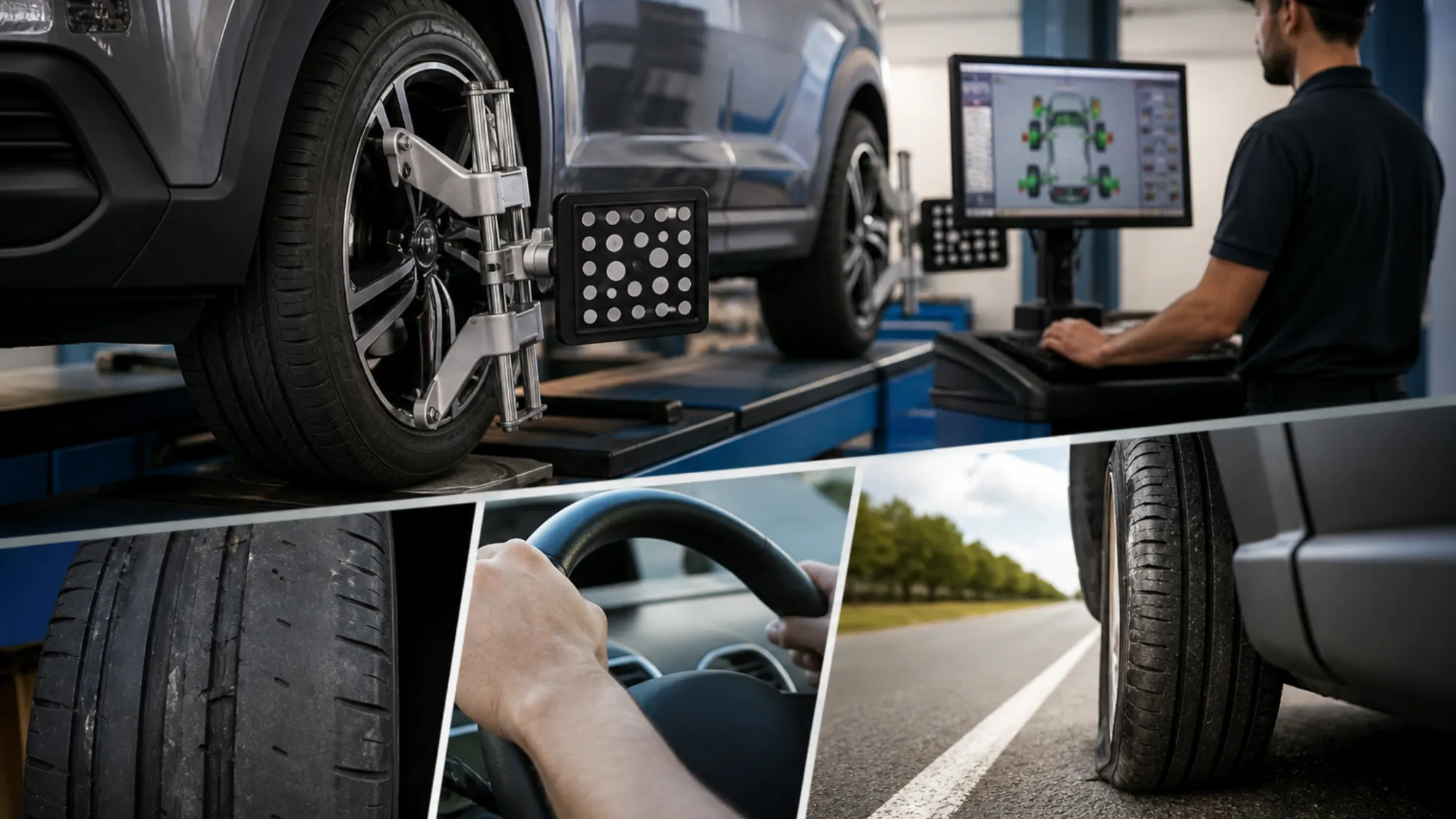
- If your car is out of alignment, you will shorten your tires' lifespan and increase your fuel costs.
Regular maintenance helps keep repair costs under control.
Basic Things You Can Handle with DIY Maintenance
While you do not want to make your car problems worse, that doesn't mean that every task requires the training and certification of a mechanic. Some things are easy and intuitive enough that almost anyone can do them.
1. Oil Change at Home
One of the most intimidating things you can do is an oil change at home, and it can usually be done within 30–60 minutes with the right tools, oil, and oil filter.
2. Understanding Brake Pad Replacement
Replacing brake pads is not hard, but you need to pay close attention. If you do not do it correctly, your brakes might not work properly. Some steps seem easy, but things can go wrong if you do not have the right tools or enough experience.
3. Air Filter Replacement
It should be the simplest task. It can be done quickly and with little effort. Changing the air filter can help the engine run at its best.
4. Fluid Checks
Just checking the engine coolant, brake fluid, and transmission oil levels can help to avoid bigger problems with the engine.
5. Battery Maintenance
Checking the battery status and cleaning the connectors are basic automotive troubleshooting steps and really easy.
What to Know Before You Start DIY Maintenance
We all have the DIY mentality and rush to start the task. Before you start, you should consider the following:
The tools you will need
- Basic socket and wrench set
- Some stands and a jack
- Oil drain pan
- Torque wrench (for precision)
- Your skill level
- Be honest with yourself. Watching videos doesn't make you an expert.
Time vs cost for car repairs
In some cases, doing the job yourself might be the fastest or cheapest option, but it might be the opposite. When doing the job yourself, always ask yourself if the time spent is worth the money saved.
Prioritize Safety
Do your best. Don't do something really dangerous to you or your car, and avoid injuring yourself or causing severe damage from alternative repairs or an improper lift.
But DIY isn’t always as simple as it seems.
The Risks of DIY Car Repair
DIY can save money upfront, but mistakes can lead to higher repair costs later. Some mistakes you might want to avoid when doing car maintenance are
- Over or under-tightening bolts
- Using spares that are not compatible
- Not doing every step in brake repairs
- If the issue isn’t diagnosed properly
Using the wrong tools for tough car repairs, like front-end alignment, can lead to poor steering and quickly worn tires. This is where choosing between DIY and professional help becomes important.
DIY vs Professional: What’s the Real Difference?
Let’s get down to the fun stuff. There is a time to do it yourself and a time to hire a professional.
Do it yourself when:
- The task at hand is very simple (changing oil is an example)
- You have the tools and the space
- You know the process
- You want to avoid the labor costs.
Hiring a professional is better when
- The maintenance and repair is a safety-related process (ex. brake repair)
- You have little to no knowledge about the task to be done
- Your time is more precious than the additional cost
For example, searching for "brake shops near me" is often the better option for brake problems than trying to fix them yourself.
The advantages of professional use include:
- Professionals use the right tools to get the job done faster and more accurately.
- There is a warranty, and the work is done promptly.
Is DIY Auto Maintenance Worth It?
Here’s when DIY is the smart move:
- You know your limit
- You have done the proper research
- You have basic maintenance down
It’s risky when:
- You start a repair, but don’t complete it properly
- You’ve done it before and look to do it again
It's all about balancing time and cost. If it’s going to cost you a lot more in the end, don’t skip on the repair for an upfront savings.
Finding the Right Balance
A good rule of thumb is to learn how to blend a little DIY work with part of the job left to the professionals. A practical example of the routine could look like this:
Take oil changes and filter changes into your own hands.
Leave the alignment of the front end and the repair of the brake system to the professionals.
A few inspections can help you feel calm.
Even the most elaborate DIY project needs a professional for a job that demands high-stakes precision.
Making the Right Call on Auto Maintenance
DIY works best when you understand your limits and stick to basic maintenance tasks. Knowing your limits and adding the right tools to your personal team are among the most important things you can do to avoid the bare minimum in auto maintenance.
The professional service's safety features and difficult diagnostics are important. If you're thinking about DIY it or looking for a dependable brake and tire shop near me, your goal is to keep your vehicle safe, efficient, and ready for the road.
For drivers in Houston, TX, daily driving can be tough, which makes regular maintenance even more important. And when it comes to car care, it’s not about doing everything yourself; it’s about making the right call at the right time.




























Sign in to leave a comment.