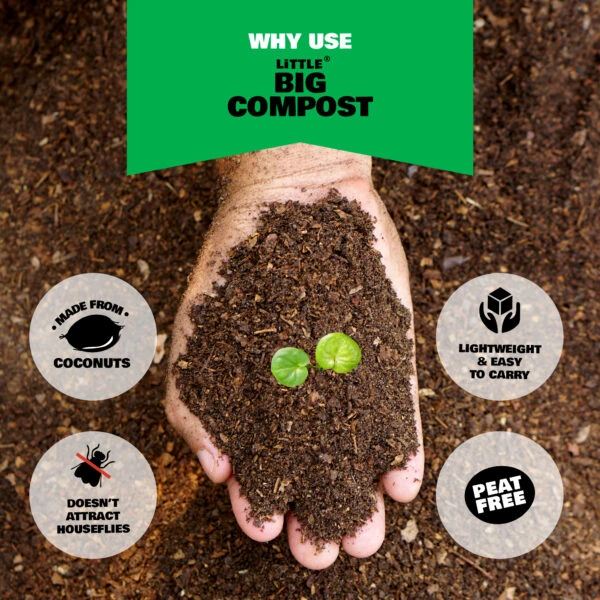

Ready to cut waste, save money, and grow healthier plants—all at once? Learn how to create your own peat free compost right at home with this simple guide.
Introduction: Composting Without Peat? Yes, You Can.
If you’ve been buying compost for your garden, you’ve likely seen the buzz around going “peat free.” But here’s something even better—you can skip the store-bought bags altogether and make your own sustainable compost at home.
Creating peat free compost is easier than you might think. With the right mix of materials, a little patience, and a few simple steps, you can turn everyday waste into rich, plant-loving soil—without harming a single peat bog.
Why Go DIY With Peat Free Compost?
There are three major reasons:
- Eco-Friendliness: Avoids peat extraction, which destroys vital carbon-rich wetlands.
- Cost Savings: Homemade compost is free—just use kitchen and garden waste.
- Control: You know exactly what goes into your compost, making it ideal for organic gardening.
Plus, composting reduces landfill waste and methane emissions. It’s a win-win for your garden and the environment.
What You’ll Need to Get Started
Before we dive into the “how,” gather these basics:
- A Compost Bin or Pile – You can buy a bin, build one from pallets, or simply use a shady corner of your garden.
- A Pitchfork or Compost Aerator – For turning the pile.
- Organic Waste Materials – Both “greens” and “browns” (we’ll explain this below).
- Water Source – To keep the compost moist, not soggy.
Optional but helpful:
- Compost thermometer
- Mesh screen (for sifting)
- Garden gloves
Understanding “Greens” and “Browns”
Your compost needs the right balance of nitrogen-rich and carbon-rich materials:
Greens (Nitrogen):
- Vegetable peels
- Fruit scraps
- Coffee grounds
- Grass clippings
- Tea bags (no plastic)
Browns (Carbon):
- Dry leaves
- Shredded newspaper
- Cardboard
- Straw or hay
- Sawdust (untreated)
Ideal Ratio:
Roughly 2 parts brown to 1 part green keeps the pile balanced. Too much green can make it slimy and smelly; too much brown slows decomposition.
Peat Free DIY Compost Recipe: Step-by-Step
Step 1: Choose a Spot
Pick a shady, well-drained area for your compost bin or pile. Direct sun can dry it out, and too much rain can make it soggy.
Step 2: Layer Your Materials
Start with a base of coarse browns like twigs or straw for airflow. Then alternate layers of greens and browns, finishing with a brown layer on top.
Step 3: Maintain the Moisture
Your compost should feel like a wrung-out sponge—moist but not wet. Add water if it’s dry, or dry browns if it’s too wet.
Step 4: Turn It Weekly
Use a fork to aerate your compost every week or two. This speeds up decomposition and prevents odor.
Step 5: Let Nature Work
Depending on the weather and your materials, compost takes 2–6 months to break down fully.
Step 6: Harvest and Use
When your compost looks dark, crumbly, and smells earthy, it’s ready. Sift it if needed and use it to top-dress plants, enrich beds, or feed containers.
Peat Free Compost Booster Ideas
Want to level up your homemade compost? Try these natural boosters:
- Comfrey Leaves – High in potassium and nitrogen. Great for flowering plants.
- Seaweed – Rinsed and shredded; adds trace minerals.
- Chicken Manure – Powerful, but use sparingly and allow to age.
- Worm Castings – Add rich nutrients and help with moisture balance.
None of these involve peat, and all will give your compost a nutrient boost.
Common Mistakes to Avoid
Adding Meat, Dairy, or Oily Foods
These attract pests and slow decomposition.
Too Much Grass or Fruit
They’re rich in moisture and can cause sliminess. Balance with dry browns.
Letting It Dry Out
Decomposition stops if the pile gets too dry. Check moisture weekly.
Neglecting to Turn It
Without oxygen, compost can go anaerobic and smelly. Turning helps.
Is DIY Compost Good Enough for All Plants?
Yes! Your homemade peat free compost will:
- Improve soil texture
- Feed plants naturally
- Retain moisture
- Reduce reliance on chemical fertilizers
For seed starting, you may want to sift it finely or mix it with some sharp sand or loam to create a lighter texture.
What Makes DIY Compost Truly Peat Free?
Because you control the ingredients, you’re guaranteed a 100% peat free product. Store-bought bags labeled “reduced peat” may still contain some peat. Homemade compost eliminates that uncertainty.
And by using only plant-based materials, you help restore the natural cycle—recycling organic matter back into the soil, just as nature intended.
When to Use Your Compost
Homemade compost is incredibly versatile. Use it to:
- Enrich garden beds in spring and autumn
- Mix into potting soil for containers
- Top-dress around established plants
- Mulch around vegetables and shrubs
It improves both nutrition and structure, helping your soil retain moisture and resist erosion.
Final Thoughts: Composting That’s Kind to the Planet
Peat free composting isn’t just a gardening trend—it’s a climate-friendly solution that puts your kitchen scraps and yard waste to powerful use. Whether you’re growing food or flowers, DIY compost gives you healthier plants and a cleaner conscience.
Start composting today, and your plants (and the planet) will thank you. One bucket of kitchen scraps at a time, you can grow a greener garden—without a single handful of peat.















Sign in to leave a comment.