
A Three-Way Race
The action camera market has settled into a three-way race. DJI's Osmo Action series, GoPro's Hero line, and Insta360's Ace and X-series cameras each bring distinct philosophies to the table. Choosing between them depends less on brand loyalty and more on how you actually plan to use the camera.
DJI Osmo Action: Durability and Thermal Endurance
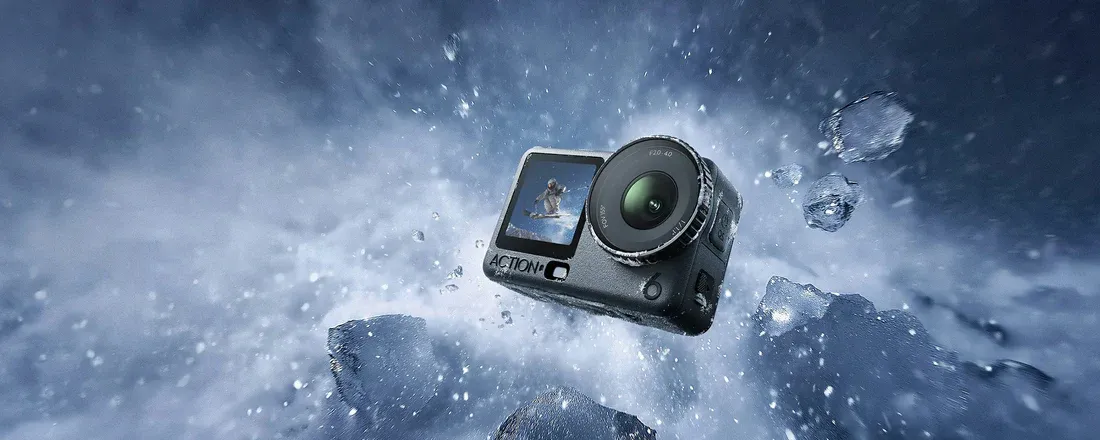
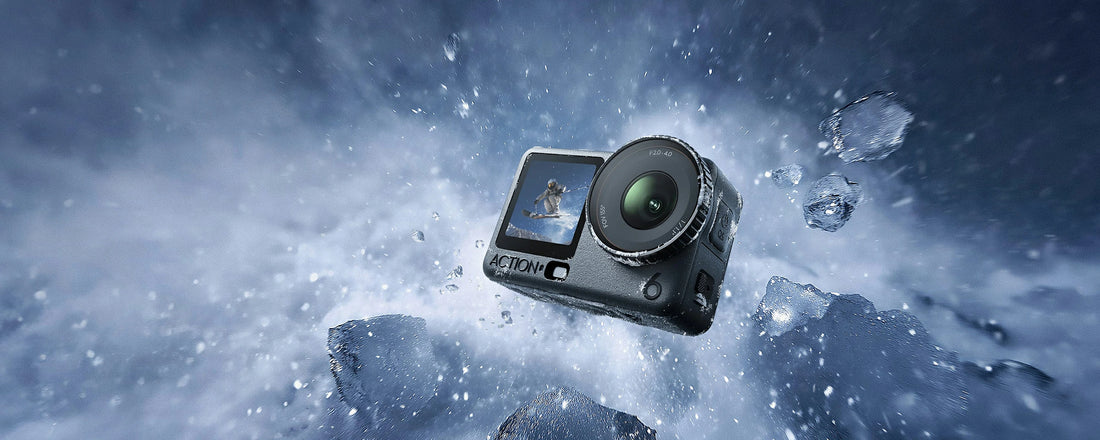
DJI's latest entries, the Osmo Action 6 and Osmo Action 5 Pro, lean heavily into durability and thermal endurance. DJI has a reputation for building cameras that handle extended recording sessions without overheating, a problem that has plagued GoPro users in hot climates or during continuous 4K capture.
The Osmo Action 5 Pro also includes a front-facing touchscreen for vlogging, magnetic mounting options, and DJI's proprietary RockSteady stabilization. For buyers already invested in the DJI ecosystem (owning a drone or gimbal, for instance), the software integration across devices is a meaningful advantage.
GoPro Hero: Brand Recognition and Accessories
GoPro, specifically the Hero series, remains the most recognized name in the category. Its strength is in the accessory ecosystem. There are more third-party mounts, cases, and attachments available for GoPro than for any other action camera brand.
GoPro's HyperSmooth stabilization is competitive with DJI's RockSteady, and its color science tends to favor punchy, vibrant output straight out of the camera. However, GoPro has faced criticism in recent years for battery life regression and subscription-dependent cloud features that lock useful tools behind a recurring paywall.
Insta360: The 360-Degree Wild Card
Insta360 occupies a different niche. Its 360-degree cameras (like the X-series) offer a unique shooting paradigm: capture everything, then reframe later in post-production. This is genuinely useful for action sports where framing a shot in real time is difficult or impossible.
The Ace Pro, Insta360's more traditional action camera, competes directly with both DJI and GoPro on specs, and its FlowState stabilization is widely praised. The trade-off is that Insta360's editing software has a steeper learning curve, and the 360 workflow adds significant post-production time.
So, Which One?
For straightforward action recording with reliable thermal management, DJI's Osmo Action line is hard to beat. For maximum accessory compatibility and brand familiarity, GoPro still has the edge. And for creators who want the flexibility of 360 reframing, Insta360 remains the obvious pick.

























Sign in to leave a comment.