Cannabis-infused products have exploded in popularity over the past few years, especially as legalization spreads and consumers become more curious about alternative wellness solutions.
Among these products, cannabis topicals—such as creams, balms, lotions, and oils—have carved out a unique space. But one question continues to surface: Do cannabis topicals get you high?
Let’s break down the facts, separate myth from reality, and help you better understand how these products actually work.
What Are Cannabis Topicals?
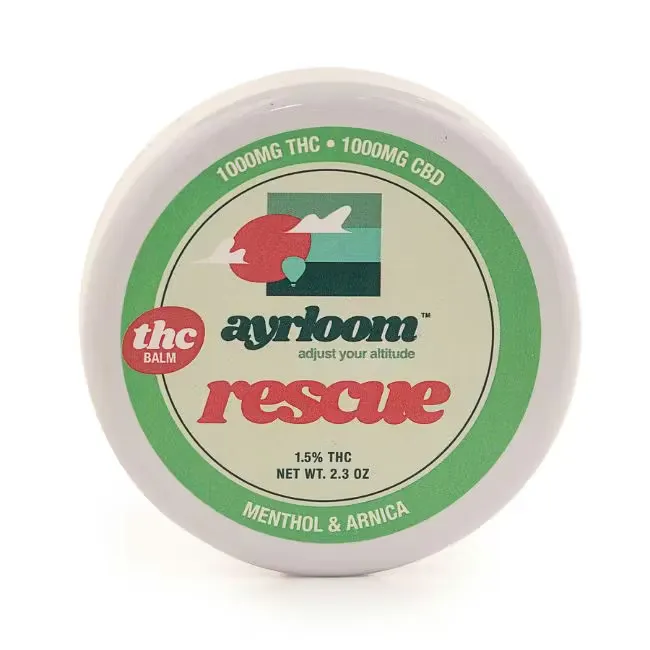
Cannabis topicals are products infused with compounds from the cannabis plant, primarily cannabinoids like THC (tetrahydrocannabinol) and CBD (cannabidiol). Unlike edibles, tinctures, or vape products, topicals are applied directly to the skin rather than consumed or inhaled.
They are commonly used for:
- Localized pain relief
- Muscle soreness
- Skin conditions (like dryness or irritation)
- Inflammation
Topicals are especially appealing to users who want the potential therapeutic benefits of cannabis without the psychoactive effects.
Also read: What Are Cannabis Tinctures? A Beginner’s Guide
The Big Question: Do They Get You High?
Short answer: No, most cannabis topicals do not get you high.
Here’s why.
The “high” associated with cannabis comes from THC entering the bloodstream and interacting with the brain’s receptors, specifically within the endocannabinoid system. However, standard cannabis topicals are designed to work on the surface level of the skin and do not penetrate deeply enough to reach the bloodstream.
Instead, they interact with local cannabinoid receptors in the skin, muscles, and tissues, providing targeted relief without affecting the brain.
Understanding How Topicals Work
Your skin has its own network of cannabinoid receptors. When you apply a cannabis topical, the cannabinoids bind to these receptors locally rather than systemically.
This means:
- Relief is localized (specific to where you apply it)
- Effects are non-psychoactive
- You won’t feel altered, euphoric, or “stoned”
This mechanism is what makes topicals a popular choice for people who want the benefits of cannabis without any mental impairment.
Myth #1: All Cannabis Products Cause a High
This is one of the most common misconceptions.
Not all cannabis products are created equal. While smoking, vaping, or consuming THC-rich edibles can produce psychoactive effects, topicals are fundamentally different in how they interact with the body.
Even if a topical contains THC, it generally won’t enter the bloodstream in significant amounts—meaning no high.
Myth #2: THC in Topicals Is Dangerous or Intoxicating
Many people assume that any product containing THC is automatically intoxicating. This isn’t true for topicals.
THC in topicals primarily works at the skin level. It may help reduce inflammation or discomfort, but it doesn’t cross into the bloodstream in a way that would cause intoxication.
So, you can safely use THC-infused creams without worrying about feeling high or impaired.
Myth #3: You Can Fail a Drug Test from Using Topicals
This concern is understandable but largely exaggerated.
Since standard cannabis topicals do not enter the bloodstream, they typically do not show up in drug tests. Drug tests are designed to detect cannabinoids that have been metabolized internally, not those sitting on the surface of the skin.
However, it’s worth noting that transdermal patches—a different category—can deliver cannabinoids into the bloodstream and may have systemic effects. These are not the same as typical creams or balms.
Myth #4: Topicals Are Ineffective Because They Don’t Get You High
Some people mistakenly believe that if a product doesn’t produce a high, it must not work.
In reality, the effectiveness of cannabis topicals lies in their ability to target specific areas without affecting the entire body. Many users report relief from:
- Joint pain
- Muscle tension
- Arthritis symptoms
- Skin inflammation
The absence of a high is actually a benefit, especially for individuals who want to remain clear-headed while managing discomfort.
You may also like: Cannabis Myths vs Facts: What You Need to Know
THC vs CBD Topicals: What’s the Difference?
Both THC and CBD topicals offer benefits, but they function slightly differently.
- CBD Topicals: Non-psychoactive and widely used for calming inflammation and soothing skin.
- THC Topicals: May provide stronger relief for pain due to THC’s interaction with local receptors, but still won’t cause a high when used topically.
Many products combine both cannabinoids for what’s often referred to as the “entourage effect,” enhancing overall effectiveness.
Who Should Use Cannabis Topicals?
Cannabis topicals are ideal for:
- Athletes dealing with sore muscles
- Individuals with chronic pain or arthritis
- People seeking natural skincare solutions
- Anyone curious about cannabis benefits without psychoactive effects
They’re also a great entry point for beginners who may feel hesitant about trying cannabis in other forms.
Final Thoughts
So, do cannabis topicals get you high? No—they don’t.
Despite containing cannabinoids like THC or CBD, most topicals work locally on the skin and do not enter the bloodstream in a way that produces psychoactive effects. This makes them a safe, accessible, and effective option for those seeking targeted relief without the mental “high” associated with other cannabis products.
Understanding the science behind cannabis topicals helps eliminate fear and confusion, allowing consumers to make informed decisions. As the cannabis industry continues to evolve, topicals are likely to remain a popular choice for wellness-focused users looking for natural, non-intoxicating solutions.
If you’re exploring cannabis for the first time or simply want a functional, no-fuss option—topicals are definitely worth considering.

























Sign in to leave a comment.