⟿ If you own a retention pond in Madison, Georgia, you must take care of it. A well-maintained pond handles rainwater, prevents flooding, and keeps nearby areas safe. When a pond is ignored, it can fill with sediment, grow too many plants, or get blocked. These problems can lead to fines, repair orders, or safety risks.
This guide explains how retention ponds work, what rules apply in Madison, what you must check, and how to avoid costly mistakes. Everything is written in simple, clear language so any homeowner, HOA, or property manager can understand it easily.
If you need help to maintain your retention pond in Madison, you can contact Aquatic Restoration at 770-592-5099 or 678-949-3973
What a Retention Pond Is and Why It Matters?
What a Retention Pond Does
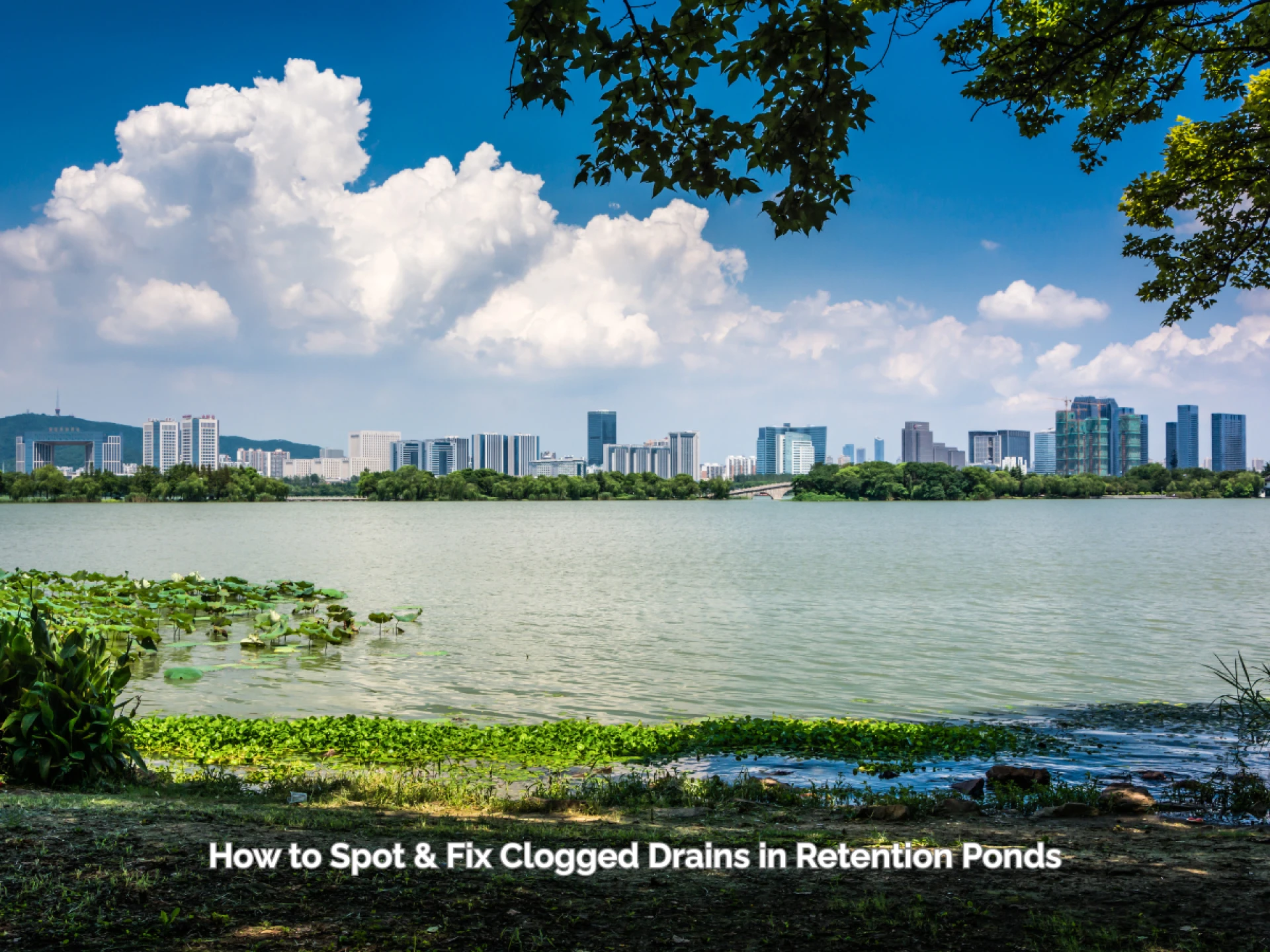
A retention pond is a man-made pond built to hold rainwater after storms. It collects water from roofs, roads, driveways, and lawns. The pond then releases water slowly so it does not flood nearby areas. It also allows dirt and pollutants to settle at the bottom, so cleaner water flows out.
In short, the pond helps protect your neighbourhood from flooding and keeps water cleaner.
Who Must Maintain the Pond
In most cases, the pond is the responsibility of the property owner, HOA, or property manager. Unless the city has an agreement to maintain the pond, you must take care of it.
If you are unsure, check your property deed, HOA documents, or ask the local stormwater office.
Rules for Retention Ponds in Madison, Georgia
Madison has stormwater rules that you must follow. These rules help keep ponds safe and working well. Some important requirements include:
- A clear maintenance path around the pond so crews can reach all sides
- A pond deep enough to hold water safely
- A working outlet that releases water at the right speed
- A spillway that can handle large storms
- A maintenance plan or agreement, if required
If the pond does not meet these rules, the owner may receive warnings, fines, or required repairs.
What Happens When You Don’t Maintain Your Pond
A neglected pond can develop problems quickly. Some common issues include:
- Sediment build-up that reduces the pond’s depth
- Blocked pipes that stop water from flowing
- Erosion on the sides, making the banks weak
- Overgrown plants that interfere with water flow
- Mosquito problems from standing or stagnant water
- Flooding risks during heavy rain
In many parts of Georgia, ponds that fail inspections can receive daily fines until repairs are made. Fixing a badly neglected pond is far more expensive than keeping it maintained.
How to Maintain a Retention Pond in Madison
Step 1: Make a Simple Maintenance Plan
Your plan should include:
- A map of the pond and important parts like inlets, outlets, and slopes
- A schedule for inspections (once a year and after big storms)
- A list of tasks such as debris removal, vegetation trimming, and sediment checks
- The names of the people or contractors responsible for each task
A written plan helps you stay organised and makes inspections easier.
Step 2: Inspect Key Areas Of the Pond
Inlets and Outlets
Check that water flows in and out normally. Remove leaves, branches, trash, or dirt that block pipes or grates.
Sediment Build-Up
Look for areas where soil has piled up. If the pond looks shallow or has raised “islands,” sediment removal is needed.
Pond Slopes and Banks
Walk around the pond and look for signs of erosion. Slopes should be stable and covered with grass or plants, not bare soil.
Vegetation and Overgrowth
Cut back tall grass, weeds, or invasive plants. Trees with big roots should not grow on pond slopes because they weaken the soil.
After-Storm Checks
After a heavy rain, check everything again. Storms often move sediment, wash out slopes, or clog outlets.
Why Good Maintenance Helps You
Maintaining your pond offers many benefits:
- You avoid expensive fines
- You protect your property from flooding
- You make the pond safer
- You keep the area looking clean
- You avoid huge repair costs later
- You meet local rules and stay compliant
A healthy pond protects both your land and your neighbours’ property.
Common Mistakes People Make in Retention Pond Maintenance
- Thinking ponds take care of themselves
- Skipping inspections
- Letting plants grow too much
- Ignoring small erosion areas
- Waiting too long to remove sediment
- Assuming the city will handle everything
These mistakes may seem small at first, but they can lead to large, costly problems. Fixing issues early is much cheaper and safer.
Madison People Also Ask
1. What is the biggest sign my pond has a problem?
If water does not flow out properly, or if the pond is too shallow, you likely have sediment or blockage issues.
2. How often should a pond be cleaned?
At least once a year, and after big storms. Some ponds need more frequent cleaning if they catch a lot of runoff.
3. Can overgrown plants cause fines?
Yes. Overgrown vegetation can block water flow or weaken slopes. This can lead to violations.
4. When should sediment be removed?
When the pond becomes noticeably shallow or when sediment starts reaching the outlet or forming islands.
How Aquatic Restoration Can Help
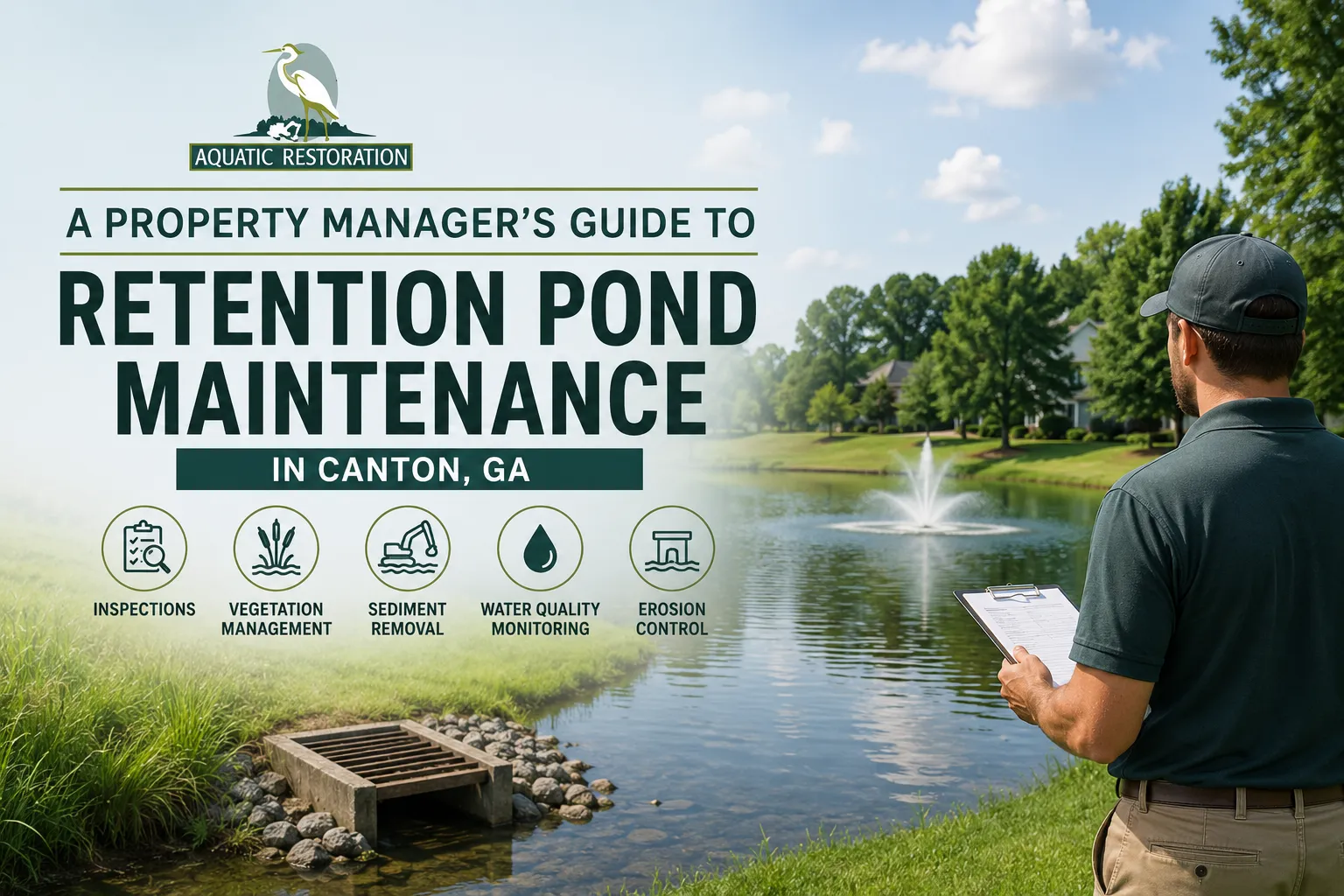
Aquatic Restoration provides full retention pond support in Madison, Georgia, including:
- Inspections
- Sediment removal
- Vegetation management
- Erosion control
- Repairs and maintenance plans
- Emergency response after storms
If you want a professional to check the condition of your pond, call 770-592-5099 or 678-949-3973. You can also contact us online: www.aquaticrestoration.net/contact
Key Takeaway
- Retention ponds help manage stormwater and prevent flooding in Madison, Georgia.
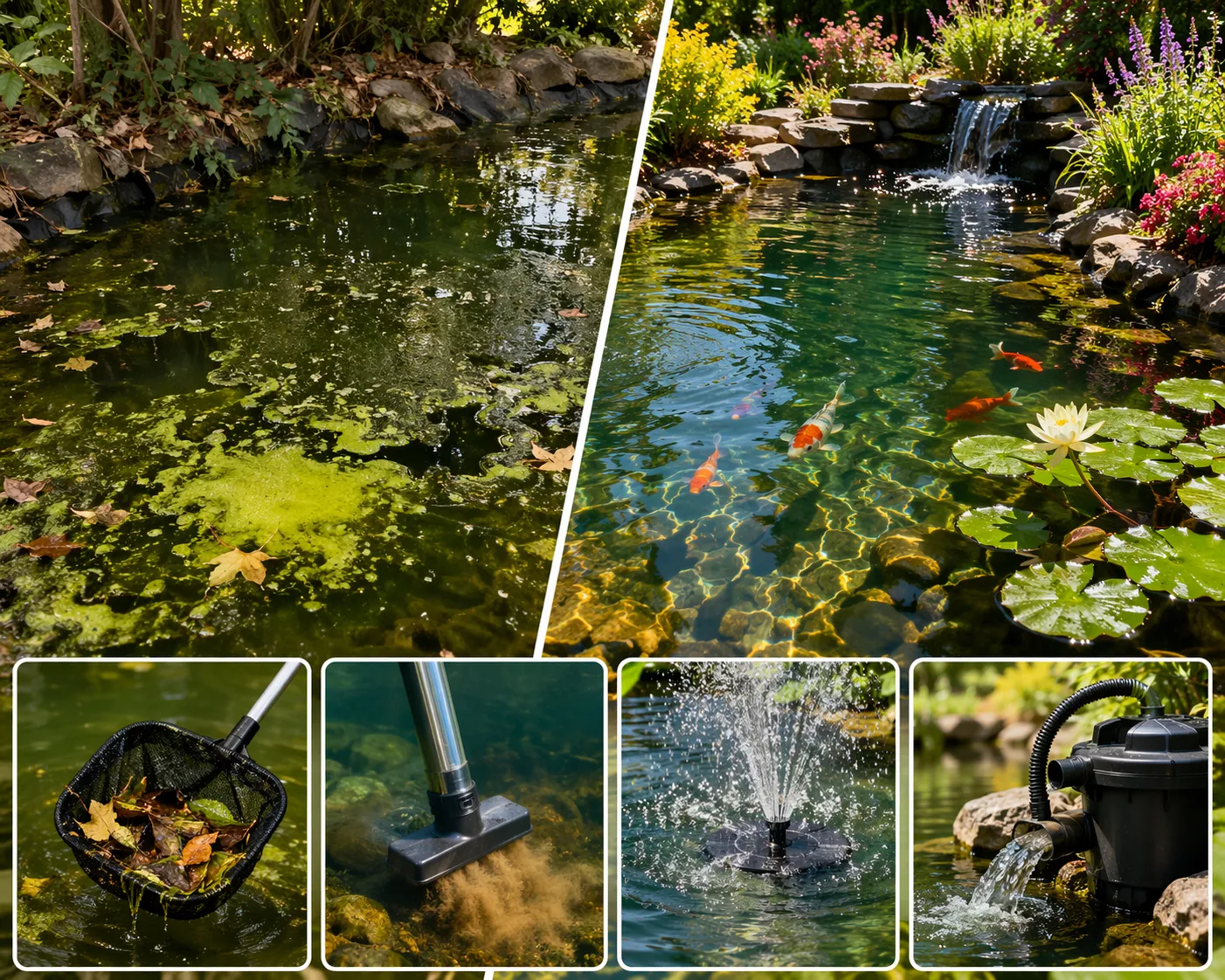
- Poor pond maintenance can lead to algae, erosion, blocked pipes, and fines from local authorities.
- Basic tasks like cleaning trash, cutting grass, and checking pipes help you avoid most problems.
- A yearly professional inspection keeps small issues from turning into large, costly repairs.
- Keeping water clean and slopes stable protects nearby homes and properties.
- Good maintenance helps your pond meet Madison and Georgia stormwater rules.
- Calling local Retention Pond experts ensures your pond stays safe, clean, and compliant.
Conclusion: What You Should Do Next
Take a moment to look at your pond. Ask yourself:
- Are the pipes clear?
- Are the slopes stable?
- Has sediment built up?
- Has anyone inspected it recently?
If the answer to any of these questions is “no,” it is time to act. Start with a simple inspection. If you are unsure what to look for or if the pond has visible problems, contact a professional.
For reliable help, you can reach Aquatic Restoration at 770-592-5099 or 678-949-3973.
We can inspect the pond, explain what needs to be done, and help keep your property compliant and safe.
Written By: Aquatic Restoration
At Aquatic Restoration, we’ve been helping Georgia pond and lake owners since 1970. Our services include shoreline stabilization, spillway renovation, siphon installation, lake management, dredging, and retention pond maintenance. We fix problems without harming your land or budget.
Phone: 770-592-5099 | 678-949-3973
Mail: [email protected]
Website: www.aquaticrestoration.net
Find on Google Maps: https://maps.app.goo.gl/HYvUbp4XReUuhjST7
























Sign in to leave a comment.