→ Keeping a pond healthy can be challenging. Algae, cloudy water, bad smells, and pump issues are common. In this guide, you’ll learn about the five biggest pond maintenance problems and simple ways to fix them. If your pond needs professional help, Aquatic Restoration offers fast & reliable pond maintenance in Madison, GA.
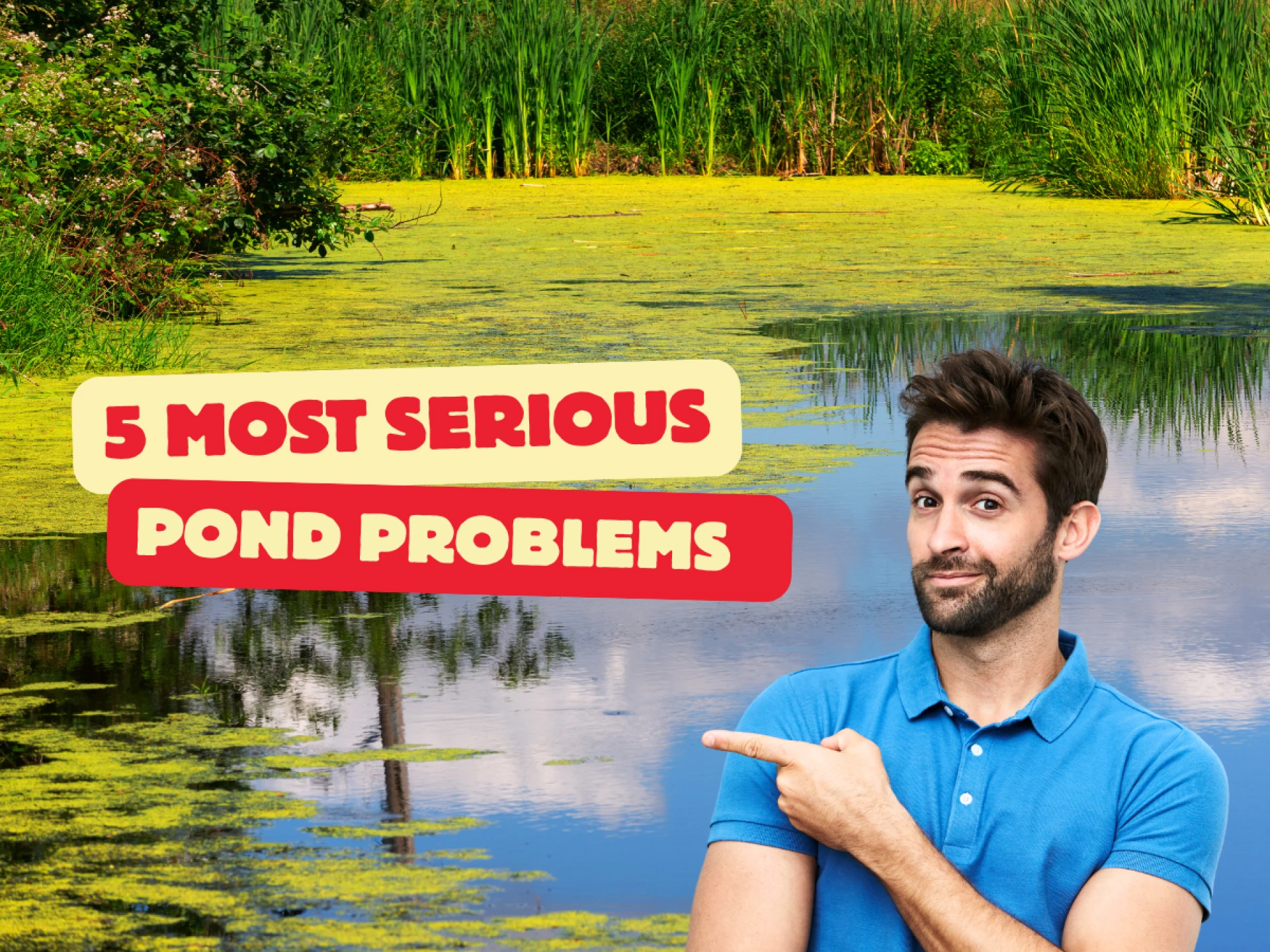
1. Algae Overgrowth - The Green Blanket Problem
When your pond turns green or looks like it’s covered with a fuzzy mat, that’s algae. Algae grow fast when sunlight, warm water, and too many nutrients mix. In Madison, lawn fertilizer or farm runoff can make the problem worse.
Why It’s a Problem
- Algae block sunlight from reaching other plants.
- Oxygen levels drop, which can harm fish.
- The pond smells bad and looks dirty.
- Filters and pumps can get clogged.
How to Fix It
- Add Aeration: A fountain or aerator keeps water moving and adds oxygen.
- Control Runoff: Don’t let fertilizer, grass clippings, or animal waste enter your pond. Add plants like cattails or lilies to absorb extra nutrients.
- Add Beneficial Bacteria: These bacteria eat the same nutrients algae use. They’re safe for fish and help balance the water.
- Provide Shade: Floating plants like water lilies block sunlight, slowing algae growth.
- Use Algaecides Only If Needed: Use sparingly and follow directions. Overuse can harm fish.
Long-Term Tip
Keep the water oxygenated and reduce nutrients instead of using chemicals. Prevention works better than treatment.
If algae growth is out of control, it may be time to call Aquatic Restoration for professional pond cleaning and aeration.
📞 Call 770-592-5099 or 678-949-3973 for a free quote.
📍 Visit us on Google Maps to see our service area in Madison.
2. Cloudy or Mucky Water - The “Chocolate Milk” Effect
If your pond water looks brown or smells bad, there’s likely a buildup of dirt, fish waste, or dead plants. Over time, this creates thick sludge at the bottom. Heavy rain in Madison can also wash clay and soil into the pond.
Why It’s a Problem
- Sludge takes away oxygen from fish.
- It releases bad gases like ammonia.
- It makes the pond look and smell unpleasant.
- It can harm your pond’s ecosystem.
How to Fix It
- Add Aeration: Aeration speeds up the breakdown of waste and keeps the water clear.
- Stop Runoff: Use a silt fence or barrier to stop soil from washing in.
- Use Bacteria Treatments: Natural bacteria help reduce sludge without harming wildlife.
- Clean or Dredge if Needed: If the sludge is deep, a pond vacuum or professional service can help.
- Add Plants: Aquatic plants absorb nutrients and prevent soil erosion.
Long-Term Tip
Check after heavy rains. If the water always turns brown, improve drainage around the pond.
3. Fish Kills - When Fish Die Suddenly
If you find fish floating overnight, it’s likely because of low oxygen or poor water quality. Warm weather in Georgia makes this worse since hot water holds less oxygen. Sudden algae die-offs or heavy rain can change pond chemistry fast.
Why It’s a Problem
- Fish and other aquatic life can die quickly.
- Dead fish increase bacteria and bad smells.
- It takes time and effort to restore balance.
How to Fix It
- Add Oxygen: Use diffused aerators or fountains to circulate air evenly.
- Don’t Overfeed Fish: Uneaten food decays and raises ammonia levels. Feed only what fish can finish in 2–3 minutes.
- Test Water Regularly: Check oxygen, pH, and ammonia using a pond test kit.
- Avoid Sudden Algae Treatments: Treat algae in small sections to prevent oxygen drops.
- Create Shade and Depth: Deeper and shaded ponds stay cooler and more stable.
Long-Term Tip
Watch fish early in the morning. If they gasp near the surface, oxygen is too low.
4. Pump and Filter Failure - When the Heart Stops Working
Your pond’s pump and filter are like its heart and lungs. They move water, clean debris, and add oxygen. In Madison, falling leaves and dirt often clog them, especially in wooded areas.
Why It’s a Problem
- Water stops moving and becomes stagnant.
- Algae and mosquitoes increase.
- Fish lose oxygen.
- The pump can overheat or break.
How to Fix It
- Clean Filters Often: Check weekly during summer and rinse them with clean water.
- Add a Skimmer: A skimmer catches debris before it reaches the pump.
- Check Power Supply: Many pump problems are caused by loose plugs or tripped breakers.
- Replace Worn Parts: Old impellers or seals reduce performance. Replace early to avoid costly damage.
- Have a Backup Aerator: It keeps fish safe if the main pump stops working.
Long-Term Tip
Make sure your pump is the right size. It should circulate all the pond’s water every two hours.
5. Mosquitoes and Bad Smells - Signs of Still Water
When pond water doesn’t move, mosquitoes start breeding. In Georgia’s humid weather, they multiply fast. Bad smells come from rotting leaves, sludge, or low oxygen.
Why It’s a Problem
- Mosquitoes can spread diseases.
- Foul smells make the area unpleasant.
- Stagnant water harms fish and plants.
How to Fix It
- Move the Water: Add a fountain, waterfall, or aerator. Mosquitoes hate moving water.
- Add Mosquito-Eating Fish: Fish like guppies or mosquito fish eat larvae naturally.
- Use Safe Treatments: Mosquito Dunks with natural bacteria kill larvae without harming wildlife.
- Trim Vegetation: Remove overgrown plants around the edges.
- Clean Regularly: Scoop out dead leaves and debris to stop smells.
Long-Term Tip
A healthy pond should smell clean, not rotten. If it smells bad, the water isn’t moving enough.
People Also Ask
1. How often should I clean my pond in Madison, GA?
At least once a year. Smaller ponds may need light cleaning every few months, especially in summer. Clean filters and remove debris often to prevent bigger issues.
2. How do I keep pond water clear naturally?
Add plants, aeration, and beneficial bacteria. Plants absorb nutrients, bacteria break down waste, and moving water keeps oxygen levels high.
3. Why does my pond smell bad after it rains?
Rainwater carries soil, leaves, and fertilizer into your pond. This creates gases when it breaks down. Better drainage and aeration fix this fast.
4. How do I stop pond algae growth in summer?
Keep fertilizer and lawn runoff away. Shade the pond with plants and use aeration. Don’t overfeed fish.
5. Should I drain my pond to clean it?
No. Draining harms the ecosystem. Use bacteria and vacuum cleaning instead to remove sludge safely.
Key Takeaways
- Too much algae means too many nutrients - fix it with plants and aeration.
- Cloudy water comes from waste buildup - use bacteria and better drainage.
- Fish kills often happen from low oxygen - add aeration and check water quality.
- Pump problems stop water flow - clean filters and maintain equipment.
- Mosquitoes and odors mean stagnant water - increase movement and clean regularly.
Regular maintenance prevents most pond problems. For expert help, visit Aquatic Restoration – Retention Pond Maintenance in Madison, GA, or call 770-592-5099 / 678-949-3973 to schedule a pond checkup.
Final Thoughts
Keeping a pond healthy isn’t about fancy tools - it’s about balance. Water, plants, and fish must work together. In Madison, Georgia, where summers are warm and rainfall is heavy, small problems can grow fast if ignored.
Start with simple steps: clean filters, check oxygen, and add aeration. A clean, balanced pond not only looks beautiful but also supports healthy fish, fewer mosquitoes, and clear water all year round.
Written By: Aquatic Restoration
At Aquatic Restoration, we’ve been helping Georgia pond and lake owners since 1970. Our services include shoreline stabilization, spillway renovation, siphon installation, lake management, dredging, and retention pond maintenance. We fix problems without harming your land or budget.
Phone: 770-592-5099 | 678-949-3973
Mail: [email protected]
Website: www.aquaticrestoration.net
Find on Google Maps: https://maps.app.goo.gl/HYvUbp4XReUuhjST7





















Sign in to leave a comment.