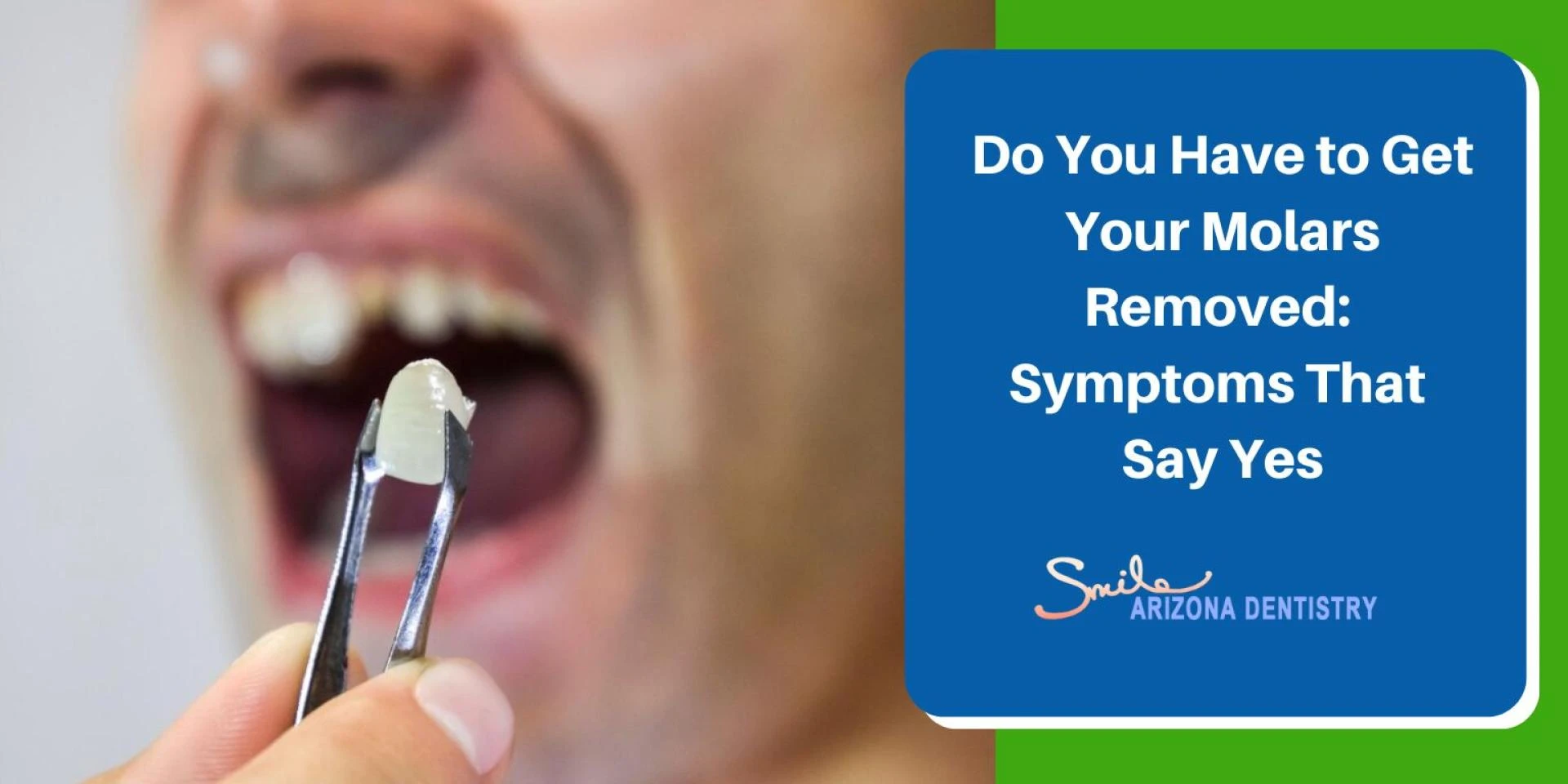

Molar extractions - especially those involving wisdom teeth - are among the most common oral surgery procedures worldwide. While molars are essential for proper chewing and maintaining dental structure, various conditions may make their removal necessary.
In this article, we examine when molar removal becomes necessary, supported by data, expert opinion, and recognized dental trends.
Understanding the Role of Molars
Molars are the large teeth located at the back of the mouth and are primarily responsible for grinding food. Adults typically have 12 molars - three on each side of the upper and lower jaw. The last of these are the third molars, commonly referred to as wisdom teeth, which usually erupt between ages 17 and 25.
According to the American Association of Oral and Maxillofacial Surgeons (AAOMS), 9 out of 10 people have at least one impacted wisdom tooth, making molar removal a highly prevalent issue.
Why Molar Extractions Happen: The Data Behind the Decision
Several conditions can lead to the decision to extract a molar. Here's what the research says:
1. Impacted Wisdom Teeth
Impacted third molars are the most cited reason for molar extractions. A study published in the Journal of Oral and Maxillofacial Surgery found that 72% of wisdom teeth removals are due to impaction or the risk of future complications such as cysts or decay.
Impacted molars often fail to erupt properly due to lack of space or misalignment. These cases can lead to pain, infection, and damage to adjacent teeth.
2. Tooth Decay and Infection
Data from the CDC reveals that over 90% of adults aged 20–64 have had cavities in their permanent teeth. Molars are particularly vulnerable due to their position and surface grooves, which trap food and bacteria.
When decay extends into the pulp or leads to recurring infection, and if restoration (such as a root canal) is not feasible, extraction becomes the next best option.
3. Orthodontic Needs and Crowding
Orthodontic treatments often require molar extractions to make space for alignment. The American Journal of Orthodontics notes that molar extractions are recommended in approximately 15% of orthodontic cases involving moderate to severe crowding.
Removing one or more molars can help facilitate successful alignment of teeth and prevent future relapse.
4. Gum Disease and Bone Loss
Periodontitis, a severe form of gum disease, affects nearly 47% of adults over 30, according to the CDC. Advanced stages of this disease can erode the jawbone and supporting structures around the molars.
Once bone loss becomes extensive, molars may loosen or shift - at which point extraction may be the most effective intervention to maintain oral stability.
5. Cracked or Damaged Molars
Molar fractures account for a significant percentage of dental emergencies. Research published in the British Dental Journal found that cracked tooth syndrome is most common in molars and often results from stress or trauma, including bruxism (teeth grinding).
If a molar is cracked below the gum line or vertically split, extraction is typically the only option.
Clinical Signs That Indicate a Molar May Need to Be Removed
Dentists consider several clinical indicators before recommending an extraction. Some of the most common signs include:
- Persistent or localized pain in the back of the mouth, especially when chewing
- Inflamed or swollen gum tissue around a molar
- Frequent infections, abscesses, or cyst development
- Difficulty opening the jaw or discomfort radiating to the ear or neck (especially with impacted molars)
- Crowded or shifting teeth during or after orthodontic treatment
These are also categorized under Signs That Indicate You May Need a Tooth Extraction, particularly when multiple treatments have failed or complications are likely to occur.
The Long-Term Perspective: What Happens After Molar Extraction?
Although molars are essential for chewing, many people live without one or more molars without significant dietary or speech issues. In cases where a first or second molar is removed, dentists may recommend tooth replacement options such as implants or bridges to maintain bite alignment and jaw health.
It’s important to note that third molars (wisdom teeth) are often extracted preventively, and in most cases, do not require replacement.
According to AAOMS, approximately 85% of wisdom teeth eventually need to be removed, and removal in young adulthood can prevent more complicated surgeries later in life.
Conclusion
The decision to extract a molar is based on a combination of symptoms, dental imaging, and professional evaluation. While molar extractions are common, especially with wisdom teeth, they are never taken lightly.
Understanding the data behind these decisions can empower patients to make informed choices and seek timely care when symptoms arise. Whether due to impaction, decay, or orthodontic planning, molar extraction can be a key part of preserving long-term oral health.
Disclaimer: Please note that this information is for educational purposes only. There is no patient-doctor relationship established. Please consult your healthcare provider for individualized recommendations.
































Sign in to leave a comment.