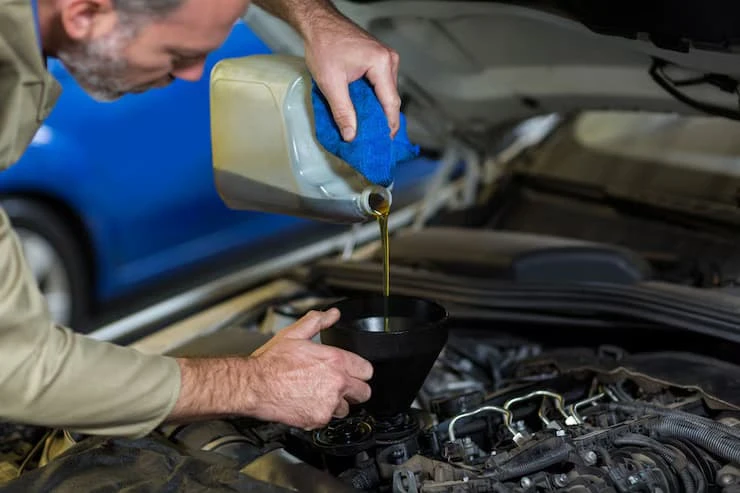

When it comes to vehicle maintenance, two of the most critical services are the transmission fluid and oil change. Both play essential roles in ensuring that a vehicle operates smoothly and efficiently. However, many car owners may wonder if it is necessary to perform both services simultaneously or if one can be prioritized over the other. This article will explore the functions of engine oil and transmission fluid, the importance of regular changes, and whether both services should be performed at the same time.
Understanding Engine Oil and Its Function
Engine oil is the lifeblood of a vehicle’s engine. Its primary functions include lubricating moving parts, reducing friction, cooling components, and cleaning the engine by trapping dirt and debris. Over time, engine oil breaks down and becomes less effective; it can thicken and lose its ability to protect the engine. Factors such as driving conditions, engine type, and oil quality significantly influence how often oil changes are needed.
Most manufacturers recommend changing engine oil every 3,000 to 7,500 miles, depending on the type of oil used (conventional, synthetic, or high-mileage) and the vehicle’s usage. Regular oil changes help prevent engine wear, improve fuel efficiency, and extend the life of the vehicle.
The Role of Transmission Fluid
Transmission fluid serves a different but equally vital purpose in a vehicle. It is responsible for lubricating and cooling the components of the transmission, facilitating smooth gear shifts, and providing hydraulic pressure needed for transmission operation. Just like engine oil, transmission fluid can degrade over time due to heat, friction, and contamination.
The frequency of transmission fluid changes depends on the type of transmission—automatic or manual—and the manufacturer’s recommendations. Many experts suggest changing automatic transmission fluid every 30,000 to 60,000 miles, while manual transmissions may require fluid changes less frequently.
Signs That Indicate Fluid Changes Are Needed
Engine Oil Change Indicators
Several warning signs indicate that an engine oil change is necessary:
- Oil Change Light: Many vehicles are equipped with an oil change light that illuminates when it's time to change the oil.
- Dark or Gritty Oil: Checking the oil level with a dipstick can reveal its condition. If the oil appears dark and gritty, it’s time for a change.
- Unusual Engine Noises: If the engine starts making knocking or tapping noises, it may indicate insufficient lubrication due to old oil.
- Increased Exhaust Smoke: Excessive smoke from the exhaust can signal oil burning or leaks, necessitating an oil change.
Transmission Fluid Change Indicators
For transmission fluid, the following signs may indicate the need for a change:
- Transmission Warning Light: Just as with engine oil, many vehicles have a transmission warning light that alerts drivers to potential issues.
- Delayed Shifting: If the transmission hesitates when shifting gears or experiences slipping, it may be a sign that the fluid is old or contaminated.
- Unusual Noises: Grinding or clunking sounds when changing gears can indicate insufficient lubrication.
- Burning Smell: If the transmission fluid has a burnt odor, it is likely time for a change.
Can You Change Both Fluids at Once?
Many vehicle owners wonder if they should change both engine oil and transmission fluid simultaneously. While there is no strict requirement to do so, there are several advantages to coordinating these services:
1. Comprehensive Maintenance
Changing both fluids at the same time ensures that the vehicle is receiving comprehensive maintenance, addressing two critical areas of the engine's and transmission's performance. This approach can enhance overall vehicle reliability and efficiency.
2. Time Efficiency
Scheduling both services in one visit can save time for busy car owners. Instead of making separate trips to the mechanic, combining the oil change and transmission fluid change can streamline the maintenance process.
3. Cost-Effectiveness
While there may be an initial cost associated with performing both services at once, it can be more economical in the long run. Some auto repair shops offer discounts for bundled services, allowing vehicle owners to save money on both oil and fluid changes.
4. Engine and Transmission Synergy
Both engine oil and transmission fluid work together to ensure the vehicle operates smoothly. When both fluids are fresh and at optimal levels, it can lead to improved performance and fuel efficiency.
When to Change Fluids Separately
While there are advantages to changing both fluids together, there are also situations where it may be more practical to change them separately:
1. Different Mileage Recommendations
If the vehicle manufacturer recommends different mileage intervals for oil and transmission fluid changes, it may be more practical to change them as needed. For example, if the engine oil requires a change every 5,000 miles and the transmission fluid every 30,000 miles, it would make sense to perform the oil change more frequently.
2. Budget Constraints
If cost is a concern, vehicle owners may choose to prioritize one service over the other based on their immediate budget. For instance, if the engine oil is overdue for a change but the transmission fluid is still within the recommended interval, it may be wise to change the oil first.
3. Symptoms of Specific Issues
If a vehicle presents symptoms specific to either the engine or the transmission, it may be necessary to address those issues immediately rather than combining the services. For example, if the transmission is exhibiting signs of slippage, it should be inspected and serviced as a priority.
Conclusion
Understanding the relationship between transmission fluid and oil change is essential for maintaining a vehicle’s performance and longevity. Both fluids serve critical functions in ensuring that the engine and transmission operate smoothly and efficiently. While there are benefits to changing both fluids simultaneously, the decision ultimately depends on individual circumstances, such as mileage intervals, budget, and specific vehicle symptoms.
For those who are unsure about their vehicle’s maintenance needs or would like assistance in scheduling fluid changes, California Coast Auto Repair is here to help. Our experienced technicians can provide expert advice and quality service to keep your vehicle running at its best. Don’t wait—schedule your appointment today and ensure your vehicle receives the care it deserves!































Sign in to leave a comment.