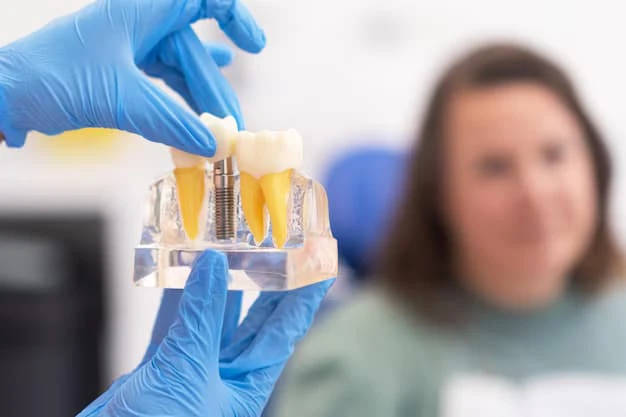

Inflammation is a natural response of the body, but long-term inflammation around teeth or implants can lead to problems. When replacing missing teeth, many patients now ask about materials that may support healthier gums. This has brought attention to zirconia dental implants and whether they can reduce inflammation risks.
Understanding how these implants interact with the body can help patients make informed choices.
What Causes Inflammation Around Implants?
Inflammation around dental implants is often linked to bacteria and plaque build-up. If not managed, it can lead to a condition known as peri-implant disease, which affects the gum and bone around the implant.
Common causes include:
- Poor oral hygiene
- Plaque accumulation
- Smoking
- Certain medical conditions
Both traditional and ceramic implants can be affected if these factors are not controlled.
How Material Choice May Play a Role
The material of an implant can influence how the surrounding tissue reacts. Zirconia dental implants are made from a ceramic material, which behaves differently from metal.
Some studies suggest that zirconia surfaces may attract less plaque compared to certain metal surfaces. Less plaque may mean a lower chance of irritation in the gums when proper care is maintained.
However, it is important to note that no implant material can fully prevent inflammation without good oral hygiene.
Biocompatibility and Tissue Response
Biocompatibility refers to how well a material works with the body. Zirconia dental implants are known for their compatibility with soft tissue.
Patients and dentists often report that the gum tissue around zirconia appears healthy and stable when maintained properly. This may be one reason why these implants are gaining interest among health-conscious patients.
Still, both zirconia and titanium implants can perform well when placed correctly.
Plaque and Bacterial Build-Up
Plaque is a major factor in inflammation. The way bacteria attach to an implant surface can influence gum health.
Research has shown that zirconia dental implants may have a lower tendency for bacterial adhesion compared to some metal surfaces. This could support better gum conditions over time.
However, daily brushing and cleaning between teeth remain the most important steps in preventing plaque build-up.
The Importance of Proper Placement
Inflammation risk is not only about the material. The way the implant is placed also plays a key role.
When receiving zirconia dental implants, careful planning is essential. Dentists assess:
- Bone structure
- Gum health
- Bite alignment
Proper placement helps reduce stress on the implant and supports healthy healing.
Patient Habits and Lifestyle Factors
Lifestyle choices can affect the success of any implant. Smoking, poor diet, and irregular dental visits can increase the risk of inflammation.
Even with zirconia dental implants, patients need to maintain good habits, such as:
- Brushing twice daily
- Cleaning between teeth
- Attending regular dental check-ups
These steps are more important than the material alone in preventing complications.
Comparing Zirconia and Titanium
Titanium implants have been used for many years and have strong clinical support. They are known for their durability and success rates.
Zirconia dental implants offer a metal-free alternative. While early research suggests potential benefits in terms of plaque resistance and tissue response, long-term studies are still ongoing.
Both options can be safe and effective when used appropriately.
When Zirconia May Be Considered
Some patients may prefer zirconia dental implants due to:
- A desire for metal-free treatment
- Concerns about sensitivity to metals
- Interest in holistic dental care
In these cases, zirconia can be a suitable option, provided it is recommended by a qualified dental professional.
Understanding the Limits of Material Benefits
It is important to have realistic expectations. While zirconia dental implants may offer certain advantages, they do not eliminate the risk of inflammation.
Gum health depends on a combination of factors, including:
- Oral hygiene
- Regular dental care
- Overall health
Material choice is only one part of the overall picture.
Final Thoughts
Zirconia dental implants may support healthy gums due to their biocompatibility and possible lower plaque attraction. However, they are not a complete solution for preventing inflammation.
Good oral care, proper placement, and regular dental visits remain essential. Zirconia dental implants provide an alternative for patients who prefer a metal-free option, but long-term success depends on a balanced approach to dental health.































Sign in to leave a comment.