
The Docker Certified Associate (DCA) certification exam is a helpful qualification for professional candidates who want to establish their skills in Docker technologies. Although the exam examines your grasp of containerization, networking, security, and orchestration, most candidates commit unnecessary blunders that waste their chances for a passing mark.
To be on your toes, here are the most avoided mistakes to exclude when preparing for the DCA certifying exam.
1. Not Understanding the Exam Structure
One of the most common blunders that candidates commit is not going through the format of the DCA exam. The exam comprises multiple-select and multiple-choice questions based on fundamental Docker concepts like creating images, managing containers, networking, storage, and security. Go through the official exam guide prior to sitting for the exam to learn the topic weightage.
2. Insufficient Hands-on Practice
Although theoretical expertise is crucial, the Docker DCA certification exam thoroughly evaluates practical skills. Reading manuals or watching a Docker course doesn't suffice—you must practice commands in an actual Docker environment. Create a local or cloud Docker environment and practice hands-on exercises like container management, error troubleshooting, and networking configuration.
3. Ignoring Docker Networking Concepts
Familiarity with the various networking modes (bridge, host, overlay, and macvlan) and how to resolve connectivity problems is essential. If you do not have a good understanding of these, you may find it difficult to answer some questions. Docker networking is one of the most important aspects of the exam, and the majority of candidates struggle with it on the exam.
4. Overlooking Security Best Practices
Security is yet another important area that candidates often misstep. Questions related to securing Docker images, enforcing least privilege access, and setting role-based access control (RBAC) are featured on the DCA certification exam. The omission of security best practices like leveraging signed images and scanning containers for vulnerabilities is a very expensive faux pas.
5. Not Practicing with Kubernetes Basics
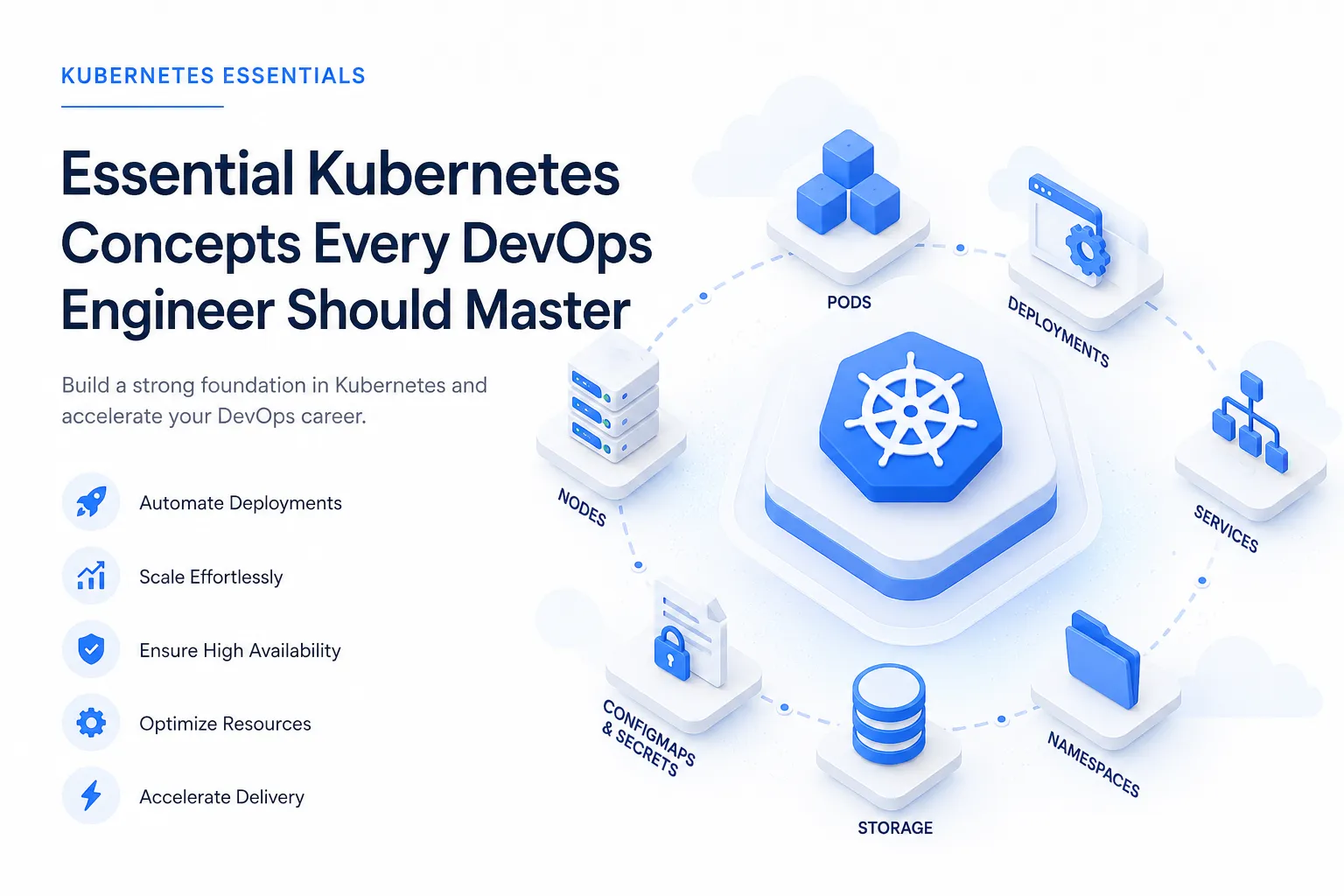
While the exam primarily focuses on Docker, it also includes Kubernetes-related questions. Many candidates assume that Kubernetes knowledge is unnecessary and skip this topic. Ensure you understand basic Kubernetes concepts such as pods, deployments, and services, as well as how Docker integrates with Kubernetes environments.
6. Relying Only on Free Study Resources
There are many free study materials available, but relying solely on them may leave gaps in your knowledge. Investing in a structured Docker training program or a high-quality Coursera Docker Certified Associate course can provide comprehensive coverage of all exam topics. If you need a well-defined learning pathway, try enrolling in the Docker Certified Associate Specialization Course on Coursera. This course has hands-on labs, instructor-led lessons, and real-world exercises to best prepare you for the exam.
7. Poor Time Management During the Exam
The DCA examination has 55 questions to attempt within 90 minutes. A lot of examinees use a lot of time to complete hard questions, so there is not a lot of time left for the rest of the questions. It is good to mark difficult questions and bypass them to save time and go through all questions before the allotted time.
Final Thoughts
By avoiding these typical errors, you will improve your chances of being successful and will be able to get your Docker Certified Associate certification with complete assurance. Your learning experience can be improved by putting an emphasis on hands-on practice, gaining an understanding of Docker networking and security, and making use of formal training programs. Passing the Docker certification exam requires a combination of theoretical knowledge, practical experience, and effective exam strategies so that you can earn your certification.




























Sign in to leave a comment.