
Does artificial turf get hot in the sun?
Artificial turf, a synthetic alternative to natural grass, is widely used in various applications, from sports fields and playgrounds to residential lawns. One common concern associated with artificial turf is its tendency to absorb and retain heat, leading to elevated surface temperatures, especially when exposed to direct sunlight. The question arises: does artificial turf get hot in the sun?
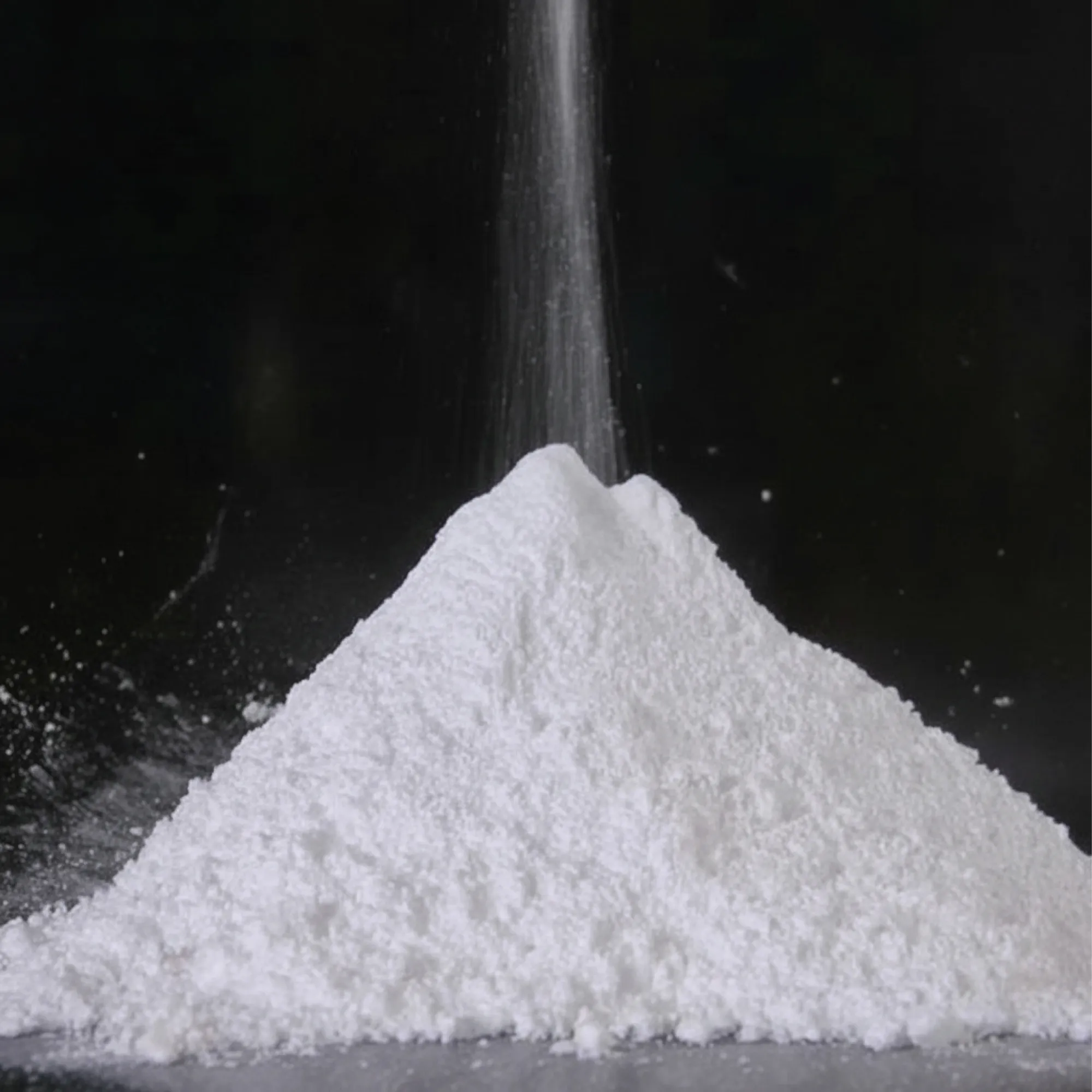
The short answer is yes, artificial turf does indeed get hot when exposed to sunlight. The material used in manufacturing artificial turf, typically polyethylene or polypropylene fibers, along with infill materials such as rubber or silica sand, can absorb and retain heat. When the sun beats down on the turf, these materials absorb solar radiation, causing the surface temperature to rise significantly.
Various factors contribute to the heat retention of artificial turf. One crucial factor is the color of the turf. Darker-colored turfs tend to absorb more heat compared to lighter-colored ones. Consequently, darker turfs can become substantially hotter, sometimes reaching temperatures significantly higher than the surrounding air temperature.
Additionally, the infill materials within the artificial turf can play a role in heat retention. Rubber infills, commonly used to provide cushioning and support, can absorb and retain heat more effectively than other infill materials. The accumulated heat in the rubber infill can contribute to the overall temperature of the turf.
The elevated temperatures of artificial turf can pose concerns, especially in regions with high temperatures or during hot summer months. The heat retained by artificial turf can make it uncomfortable for individuals to walk or play on the surface without proper footwear or protection. In extreme cases, it might even cause discomfort or minor burns to exposed skin upon direct contact.
Furthermore, the increased surface temperature of artificial turf can affect its performance in sports settings. Athletes may experience discomfort or fatigue more quickly when playing on excessively hot turf. The heat can also impact the ball's behavior, affecting the game's dynamics, speed, and bounce.
To mitigate the issue of artificial turf becoming excessively hot, several measures can be taken. Manufacturers are continually innovating to develop turf materials with improved heat resistance. Using lighter-colored turfs, employing cooling technologies in infill materials, and incorporating heat-reflective additives are some strategies aimed at reducing heat retention.
Moreover, implementing shading structures or scheduling activities during cooler parts of the day can help minimize the impact of excessive heat on artificial turf surfaces. Regular watering or misting of the turf may also provide temporary relief by dissipating some of the accumulated heat.
In conclusion, while artificial turf does indeed get hot in the sun due to its material composition and color, measures can be taken to mitigate this issue. Continued advancements in technology and innovative turf design aim to address the heat retention concerns associated with artificial turf, ensuring better comfort and safety for users in various applications.
























Sign in to leave a comment.