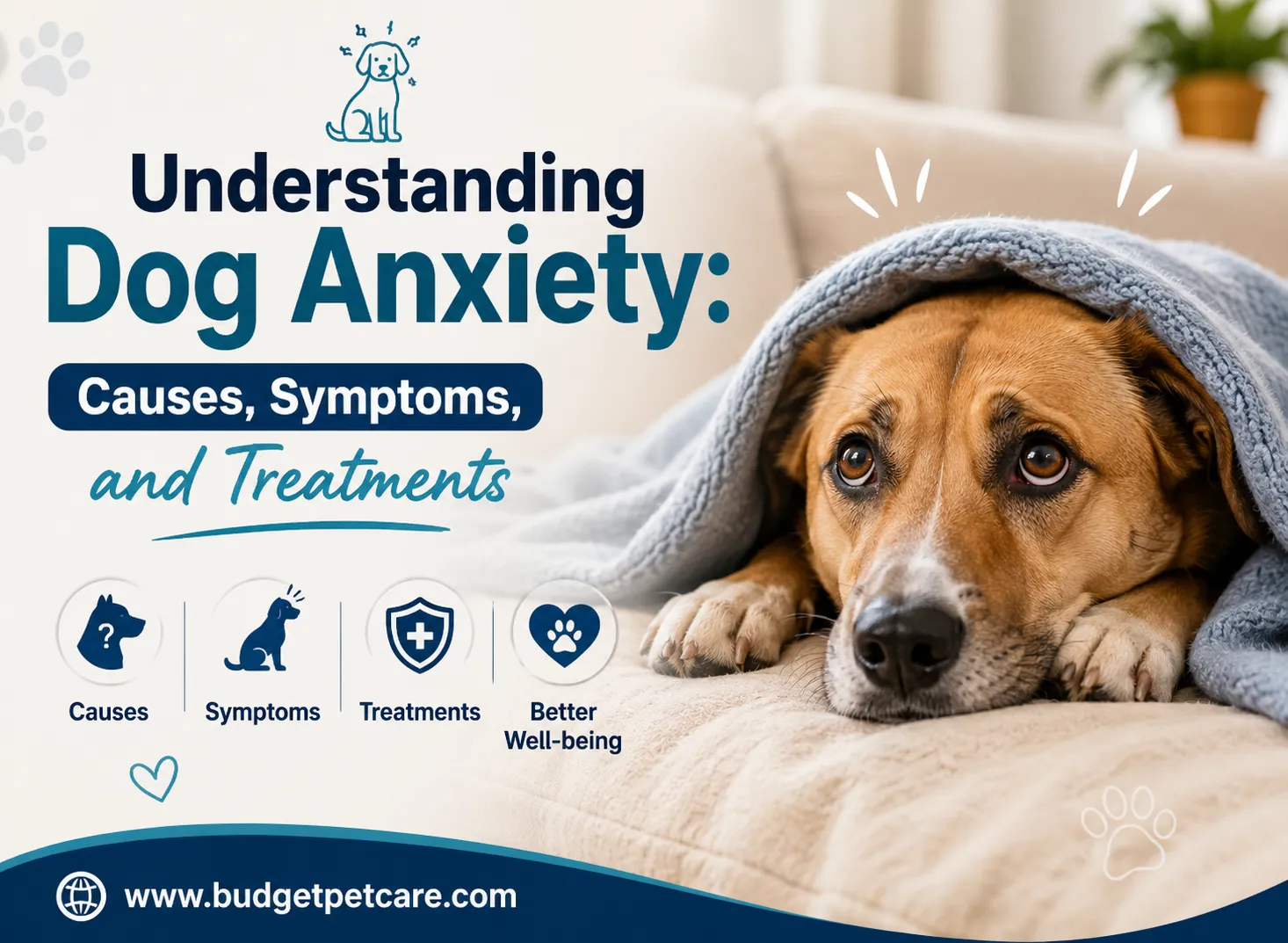

Seeing your normally joyful and carefree dog shaking in a corner, pacing the floors, or exhibiting destructive behavior is a heartbreaking experience for any pet parent. When a dog begins showing signs of distress, it is common to hear the same urgent questions: "Why is my dog suddenly anxious?" and “What can I give my dog for anxiety that is safe and effective?”
Canine anxiety is incredibly common, but it isn’t always easy to decode. Dogs cannot tell us when they are feeling overwhelmed by an impending storm or terrified by the idea of being left alone. Instead, they communicate their panic through body language and behavior.
In this comprehensive guide, we will break down exactly what triggers canine stress, how to accurately identify the symptoms, and homeopathic treatments to help your furry friend regain their peace of mind.
Why Is My Dog Suddenly Anxious? Uncovering the Triggers
Dogs are creatures of habit. They thrive on predictable routines, familiar environments, and the comforting presence of their pack which includes you. When a dog suddenly develops anxiety, it is almost always a deeply rooted behavioral or physiological response to a shift in their environment.
While it may seem "sudden" to us, your dog's heightened senses often pick up on shifts we cannot perceive. A drop in barometric pressure before a storm, the distant rumble of fireworks, or even the subtle visual cues of you packing a suitcase can send their nervous system into overdrive.
The Core Causes of Canine Stress
Understanding the root cause is the first step in creating a soothing environment. The most frequent triggers include:
1. Separation Anxiety:
This is one of the most common and severe forms of canine stress. It is triggered when a dog is separated from their human companion for an extended period of time. Dogs with separation anxiety experience true panic, believing they have been abandoned, leading to highly distressful episodes.
2. Loud Noises (TFLN):
TFLN stands for Thunderstorms, Fireworks, and Loud Noises. A dog's hearing is incredibly acute. The booming of thunder, the unpredictable cracking of fireworks season, and sudden loud noises induce a severe fight-or-flight panic response.
3. Changes in Routine or Environment:
Your home is your dog's sanctuary. When unfamiliar people visit your home, or when new pets are introduced, it can completely disrupt a dog's sense of territory, hierarchy, and safety.
4. Travel:
While some dogs love a road trip, many experience severe travel anxiety. Car rides, flights, or general transit can cause a mix of motion-related sickness and intense environmental fear due to the rapidly changing surroundings.
Decoding Dog Anxiety Symptoms: What to Look For
Dogs show anxiety through a mix of physical and behavioral changes. Since they cannot tell us how they feel, they communicate through body language and actions. Learning to recognize these signs early can help you reduce your dog's stress and prevent anxiety from becoming more severe.
Physical Symptoms of Dog Anxiety
1. Excessive Panting and Drooling:
If your dog pants or drools without exercising or feeling hot, anxiety may be the cause. Stress activates your dog's fight-or-flight response, which can trigger heavy panting and excessive saliva.
2. Trembling or Shaking:
Dogs often shake or tremble when they feel frightened. Loud noises, thunderstorms, fireworks, or visits to the veterinarian commonly trigger this reaction.
3. Pacing and Restlessness:
An anxious dog may pace back and forth, walk in circles, or struggle to relax. This restless behavior often continues until the stressful situation ends.
4. Frequent Yawning and Lip Licking:
Dogs sometimes yawn or lick their lips to calm themselves when they feel nervous. If your dog shows these behaviors repeatedly outside of normal situations like waking up, eating, or sleeping, they may be feeling anxious.
5. Dilated Pupils and "Whale Eye":
Stress can cause your dog's pupils to widen. You may also notice the whites of their eyes showing, a behavior known as "whale eye." This usually means your dog feels uncomfortable, fearful, or highly alert.
Behavioral Symptoms of Dog Anxiety
1. Destructive Chewing and Digging:
An anxious dog may chew furniture, scratch doors, dig at carpets, or destroy bedding. These behaviors often help them release built-up stress and frustration.
2. Accidents Inside the House:
A house-trained dog that suddenly urinates or defecates indoors may be experiencing anxiety rather. Separation anxiety commonly causes these accidents.
3. Excessive Barking, Whining, or Howling:
Many anxious dogs bark, whine, or howl for long periods, especially when left alone or exposed to stressful situations. This vocalization often signals fear, loneliness, or distress.
4. Hiding or Avoiding People:
Some dogs cope with anxiety by hiding under furniture, behind objects, or in quiet rooms. Others avoid people, pets, or situations that make them feel unsafe.
5. Clingy or Velcro Behavior:
Some anxious dogs become overly attached to their owners. They may follow you from room to room, constantly seek attention, or become distressed whenever you leave their sight.
6. Loss of Appetite:
Anxiety can reduce your dog's interest in food or treats. If your dog regularly refuses meals during stressful situations, anxiety could be affecting their appetite.
7. Aggression or Irritability:
Fear and anxiety can make some dogs growl, snap, or bite when they feel threatened. They may react defensively to people, other pets, or unfamiliar situations.
What Can I Give My Dog for Anxiety?
If you are asking, "what can I give my dog for anxiety?" The safest and most reliable intervention is a high-quality homeopathic remedy. You don't always need heavy pharmaceuticals to keep your furry little friend in good spirits.
For pet owners looking for a holistic approach, BudgetPetCare offers a variety of pet anxiety treatments designed specifically to calm a dog's nervous system naturally.
Recommended Homeopathic Dog Anxiety Treatments
Depending on your dog's specific trigger and problem area, you can use these targeted solutions:
1. Thunderstorms and Loud Noise Panic:
When unexpected storms, fireworks, or sudden gunfire cause severe stress and excitement, using Anxiety TFLN provides a quick-acting, non-sedating, all-natural homeopathic treatment designed to calm down stressed pets.
2. Motion Sickness and Travel Phobias:
If your dog experiences intense travel sickness and stress during journeys in cars, boats, flights, or trains, applying Travel Anxiety offers an easy-to-use oral homeopathic antidote for instant relief.
3. General Travel-Related Stress:
For animals experiencing discomfort or travel-related tension while on the move, incorporating Ecovet Eco - Travel Liquid supplies an all-natural herbal remedy specifically formulated to alleviate travel stress across multiple species like dogs, cats, and horses.
4. Nervous System and Behavioral Support:
For specialized holistic care during high-stress episodes or nerve-related challenges, administering Ecovet Eco - Epilep Liquid delivers a natural herbal remedy designed for dogs, cats, and horses.
How to Administer: The beauty of these natural homeopathic treatments is their versatility. These health solutions come in easy-to-use formulations that can be conveniently integrated into your pet's routine, ensuring they receive the targeted relief they need without unnecessary hassle.
Prevention & Long-Term Anxiety Management
While homeopathic dog anxiety treatments provide exceptional relief, combining these remedies with proactive environmental management creates the ultimate strategy for long-term behavioral health.
1. Create a Dedicated Safe Space
Every dog needs a sanctuary. Create a designated area such as a crate covered with a breathable blanket or a quiet corner in a low-traffic room where the dog can retreat when overwhelmed. Equip this space with an orthopedic bed and an article of clothing that smells like you. Never use this space for punishment; it must remain a positive, secure environment.
2. Implement Systematic Desensitization
For dogs with specific phobias (like loud noises), gradual desensitization is highly effective. Play audio recordings of the trigger sound (like thunder) at an incredibly low volume while feeding the dog high-value treats or engaging in their favorite game. Over several weeks, infinitesimally increase the volume. The goal is to change the dog's emotional response to the sound from fear to anticipation of a reward.
3. Maintain Consistent Physical and Mental Exercise
A tired dog is a calm dog. Ensure your dog is receiving adequate physical exercise tailored to their breed and age. Furthermore, mental stimulation is just as exhausting as a long run. Incorporate puzzle toys, snuffle mats, and daily obedience training sessions to engage the dog's brain, which naturally burns off anxious energy and builds overall confidence.
4. Practice Calm Departures and Arrivals
To prevent or mitigate separation anxiety, completely ignore your dog for the 10 minutes prior to leaving the house and the first 5 minutes upon returning. Elaborate goodbyes and frantic, high-pitched greetings only validate the dog's belief that your departure is a major, stressful event. Keep transitions neutral and boring to enforce that your coming and going is simply a normal part of the day.
In Conclusion
Dog anxiety can affect your pet’s behavior, comfort, and overall well-being. Recognizing signs such as excessive barking, hiding, restlessness, or destructive behavior can help you understand when your dog may need extra support.
Creating a calm routine, providing exercise and mental stimulation, and using positive training can help reduce anxiety. If symptoms are severe or persistent, consult your veterinarian for appropriate guidance and treatment.
























Sign in to leave a comment.