
Introduction
Pet owners today are paying closer attention to their dogs’ long-term health, and dental care has become one of the most discussed areas of preventative wellness. Many families are now exploring dog dental cleaning services that do not require anesthesia as an alternative for maintaining oral hygiene. While anesthesia is still necessary for certain veterinary dental procedures, non-anesthetic cleaning options have gained popularity because they are often viewed as more convenient and less stressful for some pets. Understanding how these services work and whether they are suitable for your dog is important before booking an appointment.
Why Dog Dental Health Matters
Oral health problems in dogs are more common than many owners realize. Plaque buildup, tartar accumulation, and gum irritation can gradually affect a dog’s comfort and overall wellbeing if ignored. Bad breath is often one of the first noticeable signs of dental issues, but more serious concerns can develop over time without proper care.
This is why regular dog dental cleaning has become an important part of preventative pet wellness. Veterinary studies show that maintaining healthy teeth and gums may help support better eating habits, improved comfort, and overall quality of life for dogs.
Many owners are now scheduling routine cleanings earlier instead of waiting until visible dental problems become severe. This shift toward preventative care is one reason anesthesia-free services are becoming more widely discussed in the pet care industry.
What Is Anesthesia-Free Dog Dental Cleaning?
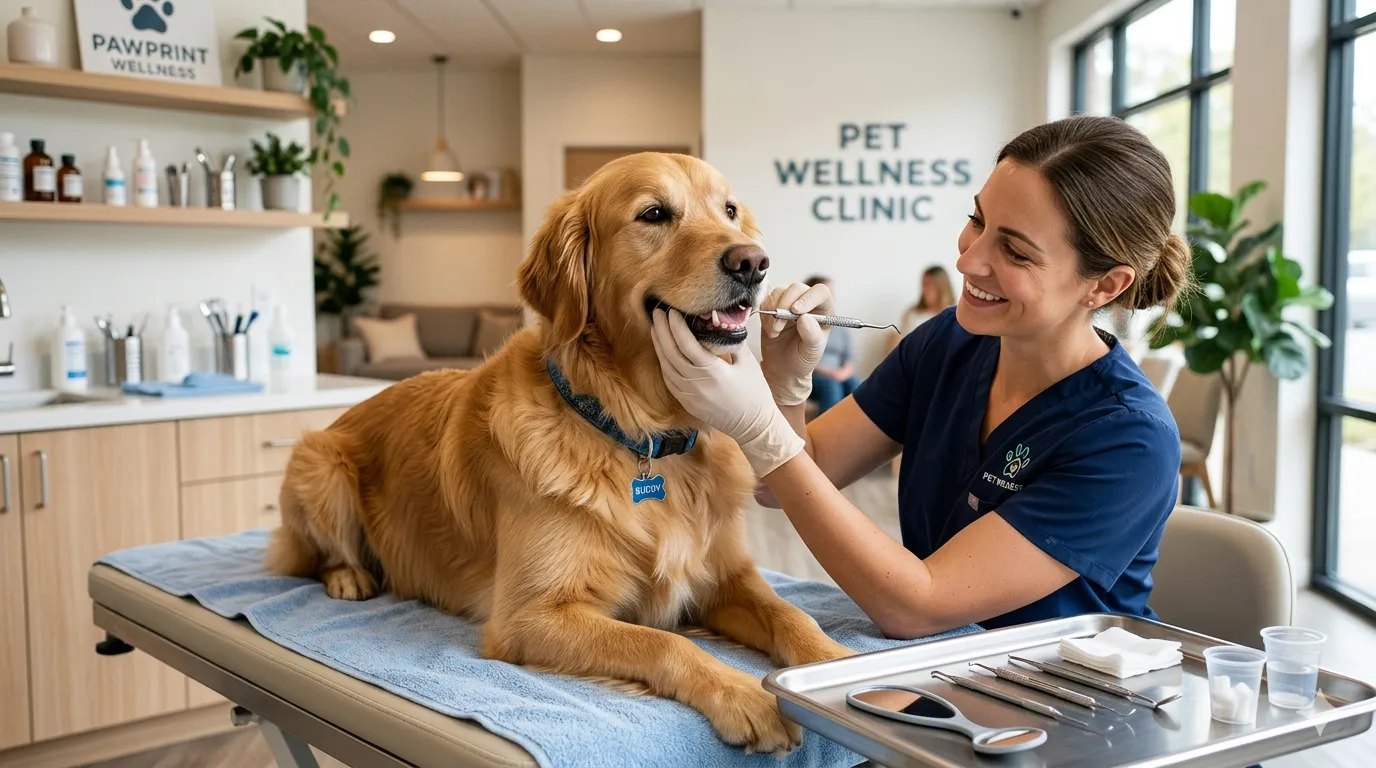
Anesthesia-free cleaning is a process where a trained professional removes visible plaque and tartar from a dog’s teeth while the dog remains awake. These appointments are usually designed for calm and cooperative dogs that can comfortably sit through the procedure.
The main appeal of anesthesia-free cleaning is convenience. Dogs can typically return to normal activities immediately afterward, and owners often appreciate avoiding sedation when appropriate.
However, it is important to understand the limitations. Non-anesthetic procedures generally focus on visible surface cleaning and cosmetic maintenance rather than deep veterinary dental treatment beneath the gumline. Serious dental disease still requires examination and treatment from a licensed veterinarian.
Is It Safe for Every Dog?
Safety depends largely on the dog’s temperament, age, and oral health condition. Calm dogs that tolerate handling well are often better candidates for anesthesia-free procedures.
Aggressive, highly anxious, or medically fragile dogs may not be suitable because stress and movement during cleaning can increase difficulty and discomfort. Reliable providers carefully assess each dog before beginning the procedure.
Many pet owners explore anesthesia-free options because they are concerned about sedation risks, especially for older dogs. While anesthesia is generally considered safe when properly administered by veterinary professionals, some owners prefer less invasive maintenance cleaning for routine care.
The growing popularity of these services reflects broader trends in preventative pet wellness. Canadian pet industry reports show increasing demand for alternative wellness services focused on comfort, convenience, and ongoing maintenance care.
What Are the Benefits of Routine Dental Maintenance?
Routine dental care can offer several potential benefits for dogs when combined with veterinary guidance and proper home care.
Fresher Breath
Removing visible plaque and buildup may help improve unpleasant breath.
Cleaner Teeth Appearance
Surface cleaning helps reduce tartar accumulation and discoloration.
Better Comfort
Healthy gums and cleaner teeth may help dogs eat and chew more comfortably.
Early Observation of Issues
Regular cleanings can sometimes help identify visible dental concerns earlier.
These benefits explain why many owners now include preventative dog dental cleaning as part of their regular pet care routine.
How Can You Decide if It’s Right for Your Dog?
The best approach is to speak with qualified professionals who can evaluate your dog’s needs honestly. Ask about experience, safety procedures, and whether your dog’s temperament is suitable for awake cleaning sessions.
Owners should also understand that anesthesia-free cleaning is not a replacement for veterinary dental procedures when advanced disease or hidden issues are present. Routine veterinary checkups remain essential for long-term oral health.
To learn more about available services and canine dental care options,
Anesthesia-free dental cleaning has become a popular option for pet owners looking for preventative oral care solutions that are less invasive and more convenient for some dogs. While it may not be appropriate for every pet or every dental condition, it can help support routine maintenance when performed by experienced professionals. Understanding your dog’s individual needs and consulting qualified providers can help you make the best decision for your pet’s long-term health and comfort.























Sign in to leave a comment.