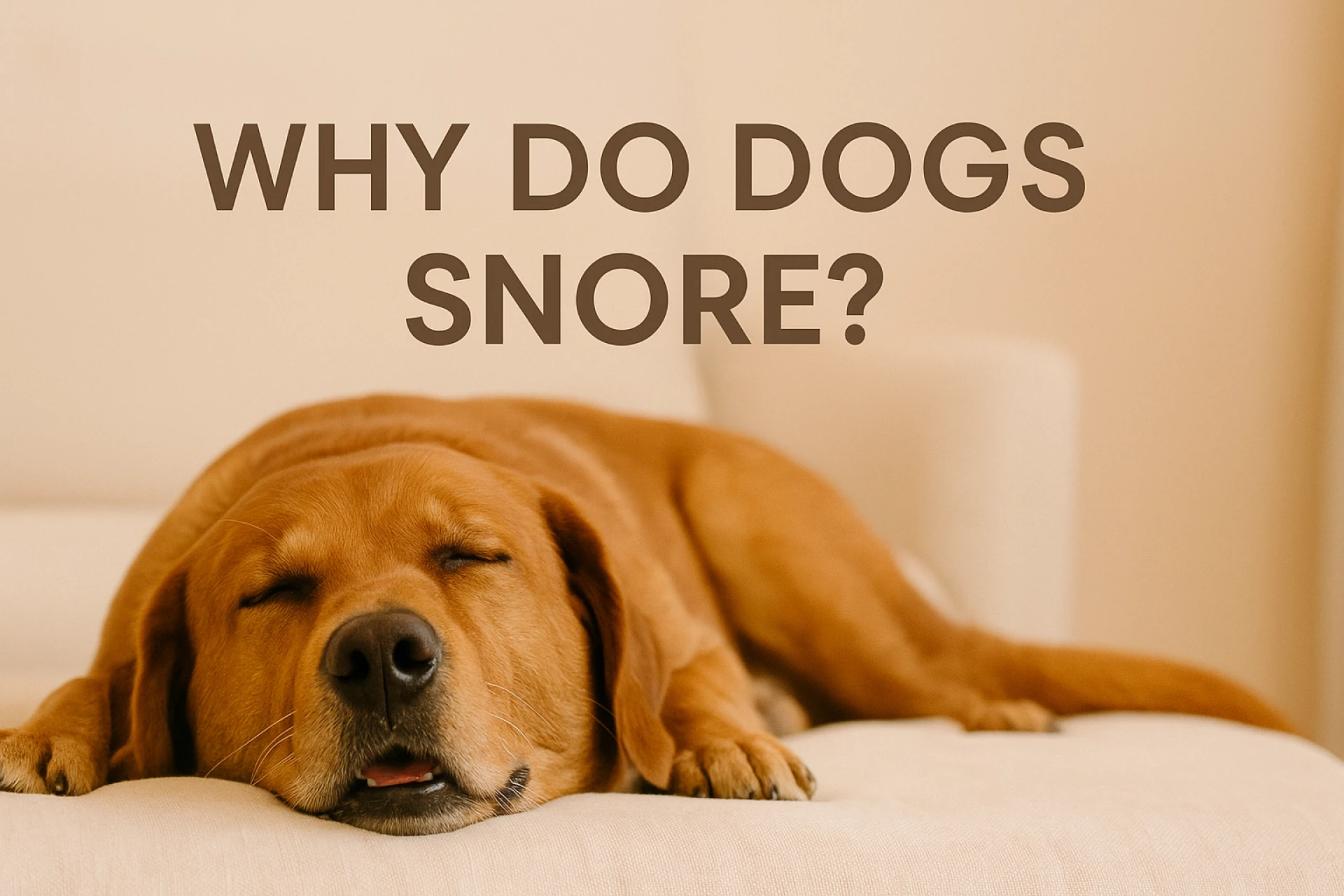

If you've ever been kept awake by your dog snoring like a little freight train, you're not alone. Dog snoring is more common than you might think, and while some of it is harmless, other times it could signal a health issue that needs attention. In this blog, we’ll explore the causes of dog snoring, when it’s a concern, and what pet parents can do to help their canine companions sleep peacefully.
Is It Normal for Dogs to Snore?
Yes, in many cases, dog snoring is perfectly normal. Just like people, dogs can snore during deep sleep when their airways become partially obstructed. This is especially common in short-nosed (brachycephalic) breeds like Bulldogs, Pugs, and Shih Tzus. However, even non-brachycephalic dogs may snore occasionally depending on their sleeping position or temporary congestion.
That said, if your dog starts snoring loudly out of the blue, or the snoring is paired with other symptoms, it may be time to look closer.
Why Do Dogs Snore So Loud?
Loud dog snoring can be startling and sometimes amusing, but it’s often caused by physical conditions like narrow nasal passages, obesity, or blocked airways. When tissues in the throat vibrate more forcefully—due to restricted airflow—the result is louder snoring. Older dogs may also snore more loudly due to relaxed muscles around the airway.
What Causes Snoring in Dogs? 8 Possible Reasons
Understanding what causes dog snoring can help you determine whether it’s harmless or something to address. Here are eight common reasons:
Brachycephalic Breeds (Flat-Faced Dogs)
Dogs like Bulldogs, Pugs, Boxers, and Shih Tzus fall under the brachycephalic category, meaning they have flat faces and short snouts. This facial structure causes them to have narrower nostrils, elongated soft palates, and narrower windpipes. As a result, airflow is naturally restricted, which can cause frequent and loud snoring. These breeds may also struggle with Brachycephalic Obstructive Airway Syndrome (BOAS), which exacerbates snoring and other respiratory issues.
Obesity
Extra body fat doesn’t just sit on the belly—it can accumulate around the neck and chest, putting pressure on the respiratory tract. In overweight dogs, this additional fat can compress the airway and restrict normal airflow, leading to louder and more persistent snoring. Managing your dog’s weight through portion control, healthy treats, and regular exercise is essential to reduce the risk of snoring caused by obesity.
Allergies
Dogs are sensitive to allergens such as pollen, mold, dust mites, cigarette smoke, and even certain cleaning products. Allergies can cause inflammation in the nasal passages, sinuses, and throat, making it difficult for air to flow smoothly. This inflammation often leads to nasal congestion and snoring. If your dog snores more during certain seasons or environments, allergies could be the underlying cause.
Sleeping Position
A dog’s sleeping posture can affect their breathing. Dogs who sleep flat on their backs may have their tongues or soft palate relax back toward the throat, partially obstructing the airway. This is a common reason why a dog might snore only in specific positions. Encouraging your dog to sleep on their side or providing a supportive orthopedic dog bed can help minimize this type of snoring.
Respiratory Infections
Just like humans, dogs can catch colds or other upper respiratory infections. These infections can lead to nasal congestion, phlegm buildup, and inflamed airways, all of which contribute to snoring. Conditions like kennel cough or canine influenza may also come with coughing, sneezing, or nasal discharge. These infections are usually temporary, but they do warrant a vet’s attention.
Environmental Irritants
Common household irritants—like cigarette smoke, scented candles, perfumes, or cleaning chemicals—can inflame your dog’s respiratory tract and cause chronic or worsened snoring. Even dusty bedding or poor air circulation in your dog’s sleeping space can be a factor. Keeping your home well-ventilated and switching to pet-safe, fragrance-free products can help your dog breathe more easily.
Dental or Oral Health Issues
Dental infections, abscesses, or oral growths can sometimes lead to snoring. If there’s swelling in the mouth, throat, or gums, it can partially block the airway. Signs like bad breath, difficulty eating, drooling, or pawing at the mouth may suggest an underlying dental issue. Good dental hygiene—including brushing and regular vet checkups—is critical for preventing these complications.
Nasal or Throat Obstructions (Polyps, Tumors, Foreign Bodies)
Though less common, physical obstructions such as nasal polyps, benign or cancerous tumors, or even a foreign object (like a blade of grass or small toy part) can obstruct airflow. These blockages can cause chronic, loud, or sudden-onset snoring. If your dog’s snoring begins suddenly and doesn’t resolve, a thorough vet examination is recommended to rule out any serious concerns.
Why Does My Dog Snore Like Crazy? When to Be Concerned
If your dog is snoring louder than usual, seems restless during sleep, or shows signs of labored breathing, don’t ignore it. Symptoms like coughing, choking sounds, or lethargy could indicate something more serious like sleep apnea or airway obstruction. Consistent, heavy canine snoring that disrupts your dog’s sleep may require a vet visit.
My Dog Snores and Sounds Congested—Should I Worry?
Congested snoring in dogs can be due to minor issues like a cold, but it could also point to allergies or respiratory problems. If the snoring is accompanied by sneezing, nasal discharge, or wheezing, it's best to have your vet rule out infections, sinus blockages, or more chronic conditions.
How to Stop Your Dog from Snoring Naturally
You might not be able to eliminate dog snoring entirely, but these natural tips can help reduce it:
- Maintain a healthy weight to ease pressure on the airways.
- Change your dog’s sleeping position using a supportive bed.
- Clean bedding and sleeping areas regularly to reduce allergens.
- Use a humidifier in dry environments to ease breathing.
- Ensure good oral hygiene with regular dental care.
Adding vet-approved supplements for respiratory or allergy support may also help. While shopping for solutions, you might also want to explore essential dog supplies online that can improve sleep quality and comfort.
When Snoring in Dogs Is a Sign of a Health Problem
In some cases, dog snoring may be more than just a noisy habit. Conditions such as elongated soft palates, tracheal collapse, or nasal tumors require medical attention. If your dog’s snoring is sudden, frequent, or accompanied by difficulty breathing or eating, it’s best to consult your veterinarian right away.
Tips to Help Your Dog Breathe Easier at Night
A few small changes can go a long way in making your dog more comfortable at night:
- Provide a clean, allergen-free sleeping environment.
- Use an elevated or orthopedic bed.
- Avoid smoking or using harsh air fresheners indoors.
- Schedule regular vet checkups and take care of dog's eyes and ears to reduce risk of infection.
- Feed your dog healthy foods for dogs to support their overall wellness.
Closing Thoughts
Occasional dog snoring isn’t usually a cause for concern, especially if your pup is otherwise healthy and energetic. But when snoring becomes louder, more frequent, or seems to interfere with sleep and breathing, it’s time to pay attention. Understanding the causes of canine snoring and making a few proactive changes can help your furry friend sleep more soundly—and let you enjoy your rest, too.
If you're noticing any persistent changes in your dog’s behavior or breathing, don’t hesitate to talk to your vet. With proper care, a clean sleep environment, and the right dog supplies online, you can help your dog breathe better and snore less.























Sign in to leave a comment.