
Why Ecommerce Security Is a Must in 2025: The Growing Threat of Cyberattacks
In 2022 alone, the eCommerce industry faced online payment fraud losses of up to $41 billion — a number that continues to rise each year. With eCommerce platforms handling sensitive user data and digital payments, it's no surprise that 32.4% of all cyberattacks target eCommerce websites and applications.
This alarming trend makes one thing clear:
Ecommerce security is no longer optional — it’s an absolute necessity.
What Is Ecommerce Security?
Ecommerce security refers to a set of policies, technologies, and best practices designed to safeguard online stores from cyber threats. These practices protect the integrity of digital transactions and sensitive customer data.
Common ecommerce security measures include:
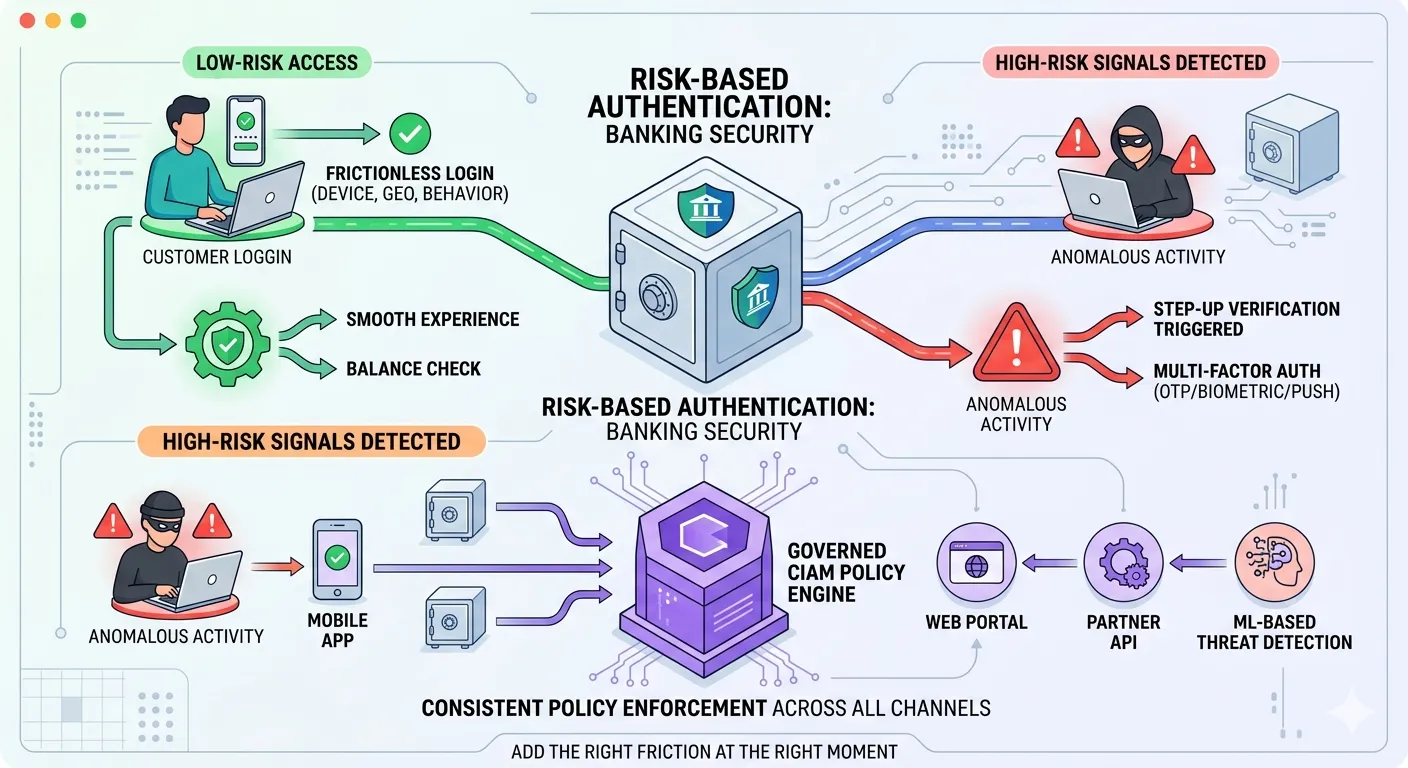
- Multi-factor authentication (MFA)
- Firewalls and intrusion detection systems (IDS)
- Regular compliance audits (e.g., PCI DSS)
- Encryption protocols (SSL/TLS)
- Penetration testing to detect vulnerabilities
The Rise of Ecommerce Cyberattacks Since 2020
Since the digital boom of 2020, cybercriminals have increasingly targeted eCommerce platforms. These attacks range from phishing scams and data breaches to payment fraud and ransomware — making it essential for online businesses to stay proactive.
Why Ecommerce Security Matters in Modern Business
Here’s why strengthening your ecommerce security should be a top business priority:
1. Protects Sensitive Information
Ecommerce platforms store critical data such as credit card details, personal information, and purchase history. Without strong security, this information is vulnerable to theft and misuse — leading to identity theft, chargebacks, and financial loss.
2. Builds Customer Trust
Customers are more likely to shop on platforms that visibly prioritize security. Implementing security features like HTTPS, trust seals, and secure payment gateways fosters confidence and improves customer retention.
3. Safeguards Your Brand Reputation
One successful cyberattack can significantly damage your brand’s image. News of a breach spreads fast and can lead to lost sales, negative reviews, and long-term trust issues. A secure site helps protect your reputation.
4. Ensures Regulatory Compliance
Adhering to standards like PCI DSS, ISO 27001, and GDPR is essential for avoiding legal penalties and maintaining ethical business operations. Ecommerce security ensures you meet these regulatory requirements.
Ready to Secure Your Ecommerce Business?
Explore the 7 Ways to Enhance Ecommerce Security to Prevent Cyberattacks - https://qualysec.com/ecommerce-security/
Have Questions or Need Expert Assistance?
Get in Touch Now - https://qualysec.com/contact-us/























Sign in to leave a comment.