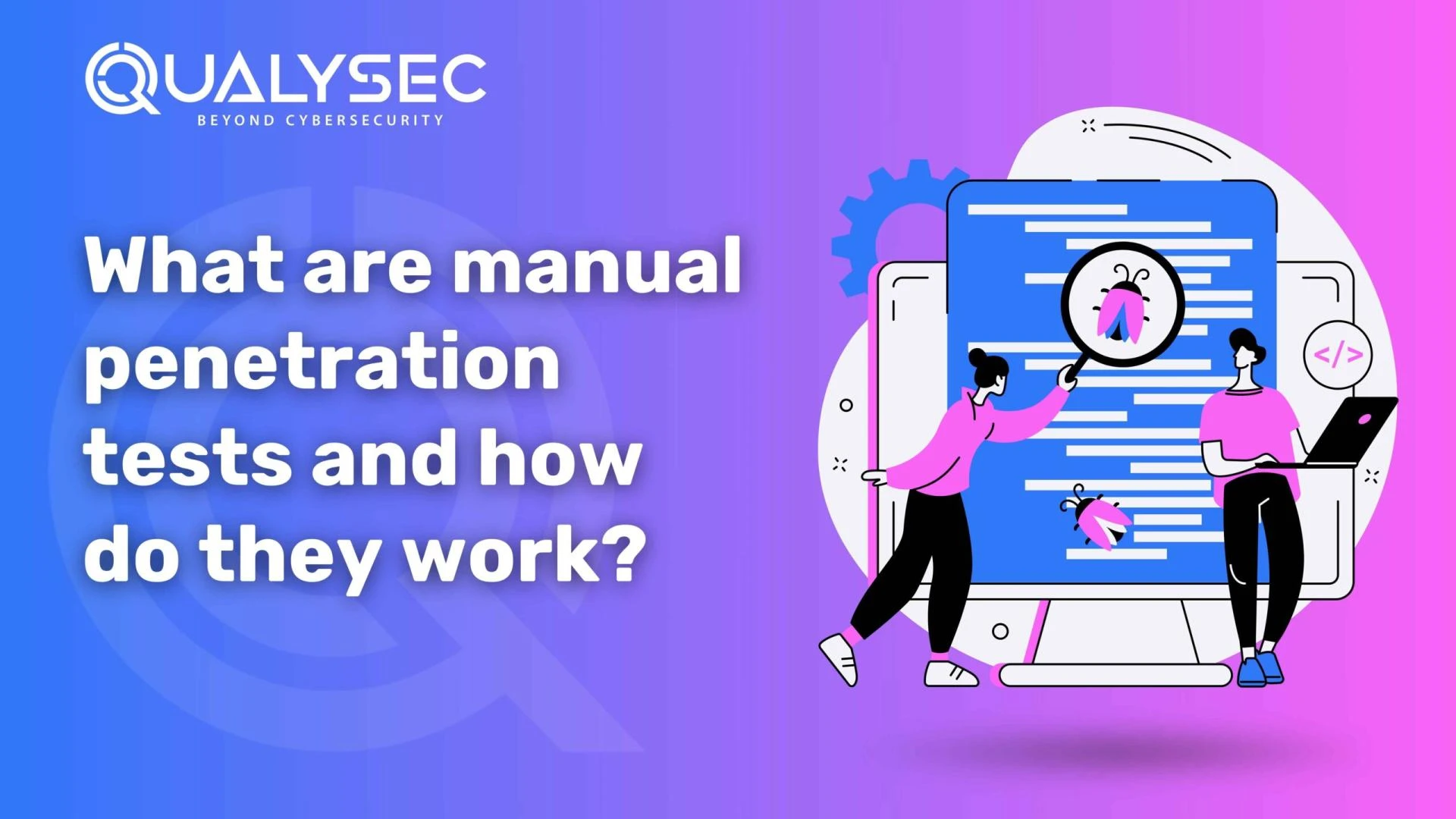

What is Manual Penetration Testing?
Manual penetration testing is a hands‑on security assessment performed by ethical hackers to identify vulnerabilities in IT systems, applications, and networks. Unlike automated scanners, manual testing simulates real‑world attacker techniques to uncover subtle or business‑specific threats that automated tools often miss. While automated vulnerability assessments look for known issues, manual penetration testing focuses on discovering previously unknown weaknesses and validating their real exploitability.
Penetration testers use a variety of techniques to gain access, including exploiting software vulnerabilities, social engineering, password cracking, and crafting custom payloads. Although manual testing can be complex, it is one of the most effective ways to reveal network vulnerabilities and security gaps before attackers find them.
Why Manual Penetration Tests Matter
Manual penetration testing is essential for strengthening an organization’s security posture. Key benefits include:
- Finds complex, context‑specific vulnerabilities that automated tools often overlook.
- Supports compliance with standards such as PCI‑DSS, HIPAA, and ISO 27001.
- Delivers actionable remediation guidance tailored to your environment.
- Reduces risk of data breaches, ransomware, and operational downtime.
- Provides proactive defense for organizations of any size against evolving threats.
How Manual Penetration Tests Work
Manual penetration testing relies on experienced testers who replicate realistic attack strategies without causing disruption. Typical phases include:
1. Scoping & Rules of Engagement — Define targets, allowed techniques, timelines, and legal authorizations to ensure safe, compliant testing.
2. Reconnaissance & Information Gathering — Collect public and internal intelligence (IP ranges, services, user roles) to map the attack surface.
3. Vulnerability Discovery & Analysis — Combine automated scans with deep manual inspection to identify and validate exploitable weaknesses.
4. Exploitation — Carefully exploit confirmed vulnerabilities (privilege escalation, lateral movement) to demonstrate real risk while avoiding harm.
5. Post‑Exploitation & Impact Assessment — Determine how far an attacker could move and what assets or data are at risk.
6. Remediation Testing — Re‑test after fixes to confirm vulnerabilities are properly resolved and that changes haven’t disrupted operations.
7. Reporting & Remediation Guidance — Provide a prioritized report with technical evidence, business impact, and clear, actionable fixes.
Throughout the engagement, testers follow legal and ethical standards (for example, OWASP testing principles and contractual rules of engagement) and execute exploits only within agreed parameters.
Read about the methods and types of manual penetration testing: What is manual penetration testing and how do they work?
Have Questions or Need Expert Assistance?
Get in Touch Now - https://qualysec.com/contact-us/

























Sign in to leave a comment.